BESS Systems: How Energy Storage Is Revolutionising Renewables
BESS systems store surplus renewable energy and release it when needed, solving the intermittency problem.
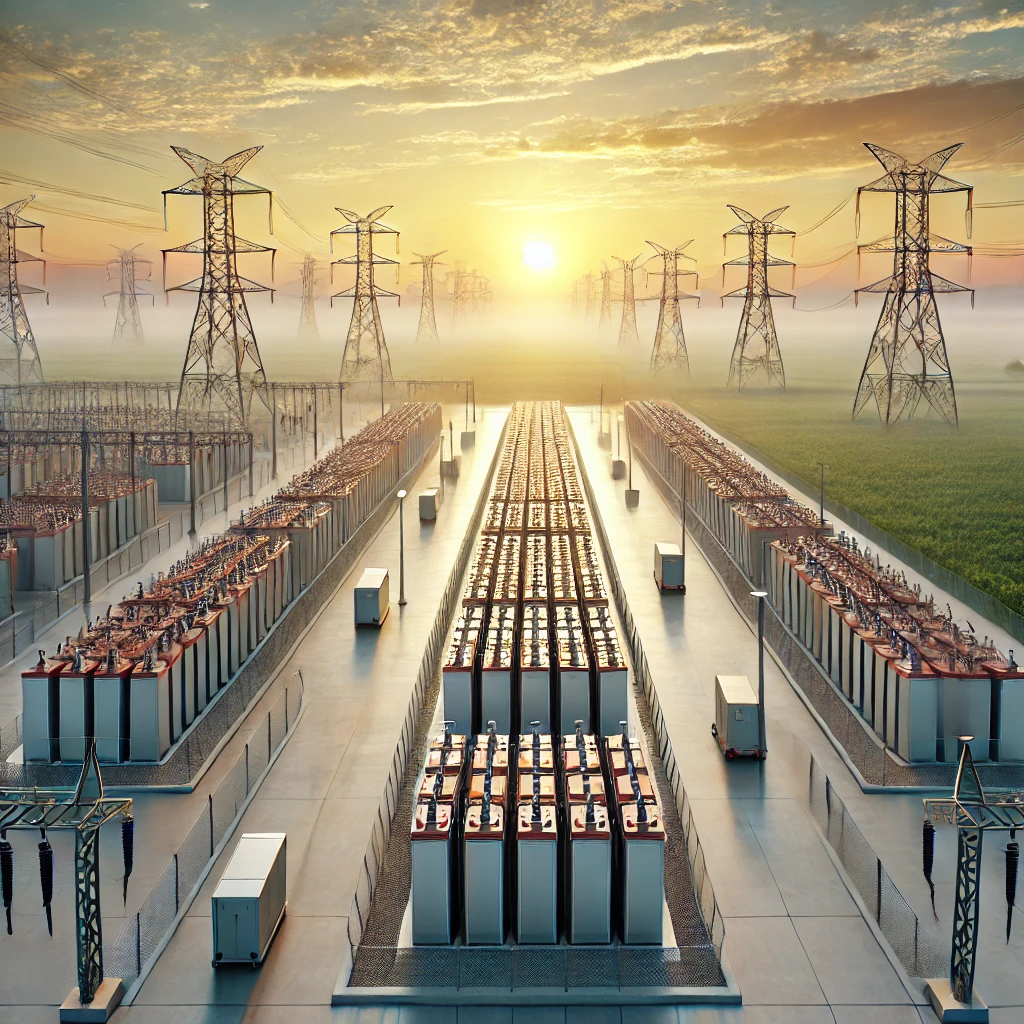
Battery Energy Storage Systems (BESS) are large-capacity battery arrays that store electricity and make it available when needed, accumulating surpluses from renewable sources such as solar and wind. Lithium-ion batteries are the most common, due to their high energy density, fast response and durability, but other technologies are emerging, such as redox flow batteries, sodium-sulphur batteries and hydrogen-based solutions.
Advantages of BESS
- Operational flexibility, responding to grid fluctuations within milliseconds
- Better integration of renewables, ensuring continuity of supply
- Cost reduction, by storing cheap energy and releasing it when prices are higher
- Energy security, reducing dependence on fossil fuels
- Sustainability, by maximising the use of renewable energy and cutting CO₂ emissions
In Portugal, the Barão de São João project, in the Algarve, includes a storage system to optimise solar output. Internationally, the Hornsdale Power Reserve in Australia stands out — a Tesla-supplied BESS that demonstrated lower grid operating costs and rapid fault response. Challenges remain, however, such as high upfront costs and the need for responsible battery recycling.