Storage 4 min read
750 MW Battery Auction: Guide to Storage in Portugal
The announced storage-auction model and the importance of environmental and territorial feasibility.
Read article
Perspectives on environmental regulation and the renewable energy sector.

The announced storage-auction model and the importance of environmental and territorial feasibility.

Division, aggregation, transfer and hybridisation of capacity-reservation titles under the new legislation.

How Environmental Fund incentives work, who may apply and which documents to prepare.

What the Green Map’s Go-To Areas are and how they can simplify renewable-project permitting.

Decree-Law No. 100/2026 enables dynamic management of grid connection capacity, making BESS storage a viability condition for developers.

DGEG Order No. 30/2026 clarifies how deadlines under Articles 14 and 58 of Decree-Law No. 15/2022 are counted, defining excluded periods and revoking earlier orders.

A study by LNEG and EDM assesses the potential of degraded former mining areas for solar, wind and storage projects.

The proposed D. Carlos I marine reserve, covering roughly 170,000 km², introduces new regulatory constraints for offshore projects.

The new Renewable Acceleration Zones (ZAR) cut environmental licensing from 12-24 months to 6-9 months, though local bureaucracy still holds back projects.

Created in 1992, the LIFE Programme is the EU's only financial instrument dedicated exclusively to the environment and climate, with co-financing rates between 60% and 95% and a dedicated subprogramme for the Clean Energy Transition.

The new Municipal Guide for Renewable Energy Project Licensing, under the EMER 2030 strategy, standardizes procedures between municipalities and central administration.
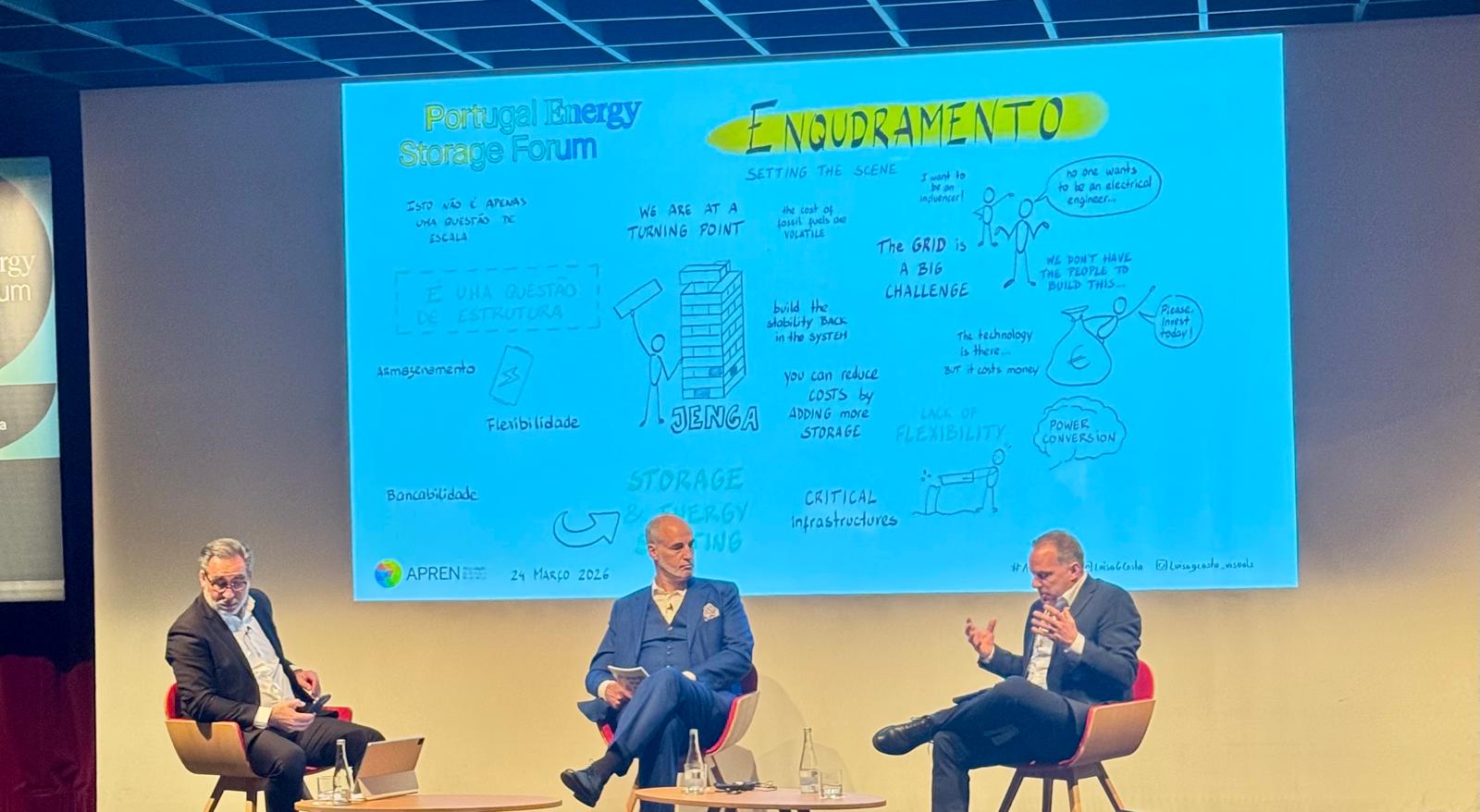
At the opening of the Portugal Energy Storage Forum 2026, organised by APREN, the message was clear: without storage and grid capacity, renewable projects stop being bankable.

At the Portugal Energy Storage Forum 2026, organized by APREN, it was argued that what holds back batteries in Portugal isn't market volatility — comparable to California or Texas — but the lack of diversified revenue streams.
At the Portugal Energy Storage Forum 2026, the debate showed that financing solar without storage is increasingly difficult — but the underlying problem is regulatory.

Despacho No. 2235/2026 tasks DGEG with studying the selective undergrounding of power lines to protect the grid from fires and extreme storms.

The 11th edition of E-Redes' Grid Connection Manual incorporates Decree-Law No. 99/2024 and details rules for hybridization, self-consumption and electric mobility.

The IEA's 'Electricity 2026' report projects wind overtaking nuclear in the EU by 2030, and electric vehicles displacing more than 5 million barrels of oil per day.
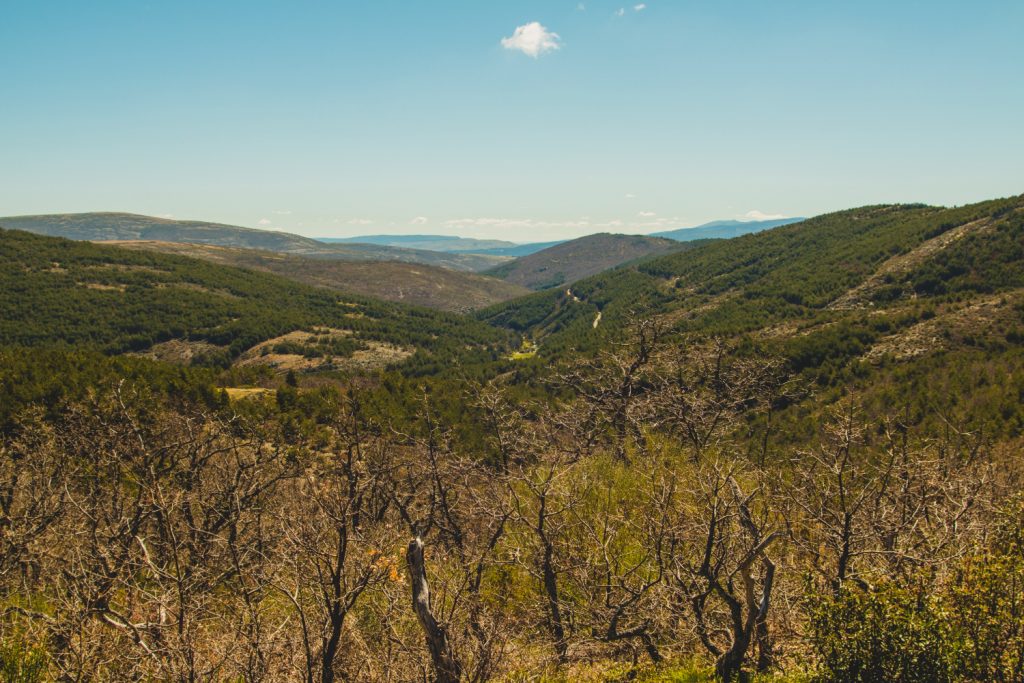
Portugal has approved 18 new Special Conservation Areas, bringing the total to 44 and strengthening the Natura 2000 network from the mountainous interior to the Algarve coast.
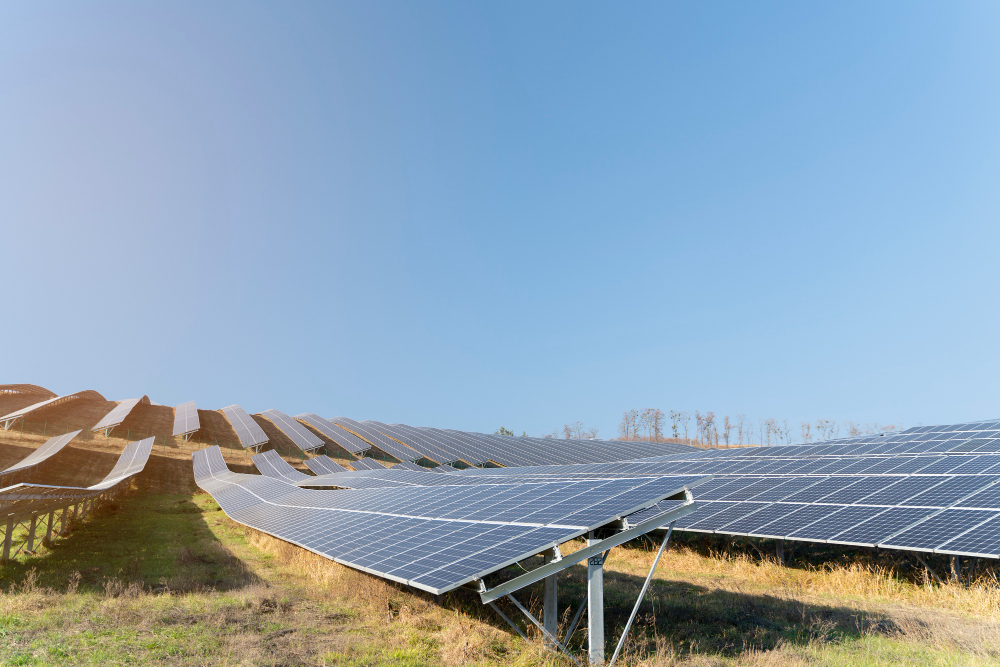
EMER 2030 approved Technical Guidelines that replace subjective uncertainty with objective criteria for renewable projects on land with slopes above 25%.
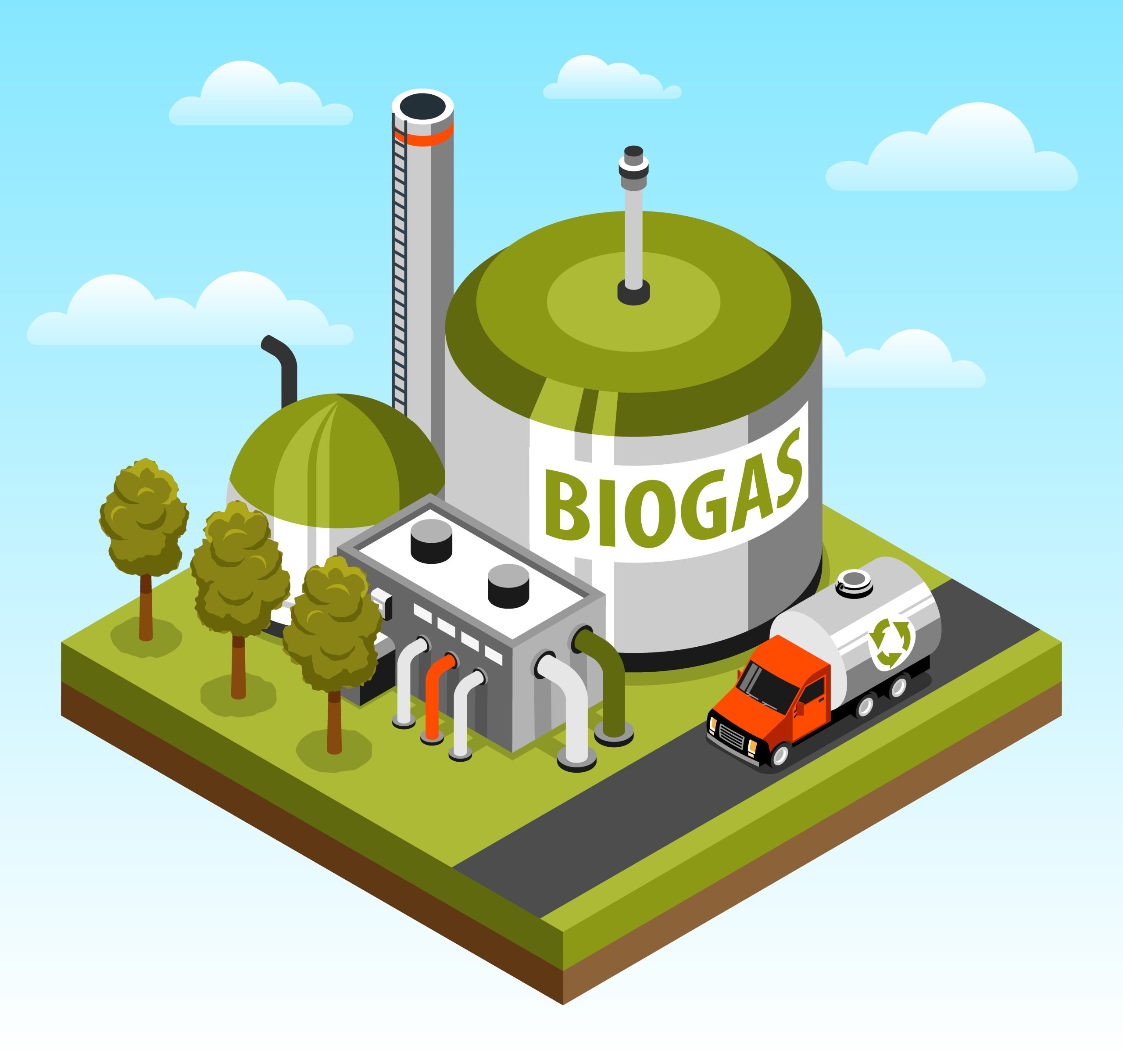
Joint Order No. 1/2026 from APA and DGEG creates a new licensing procedure for biomethane production units.
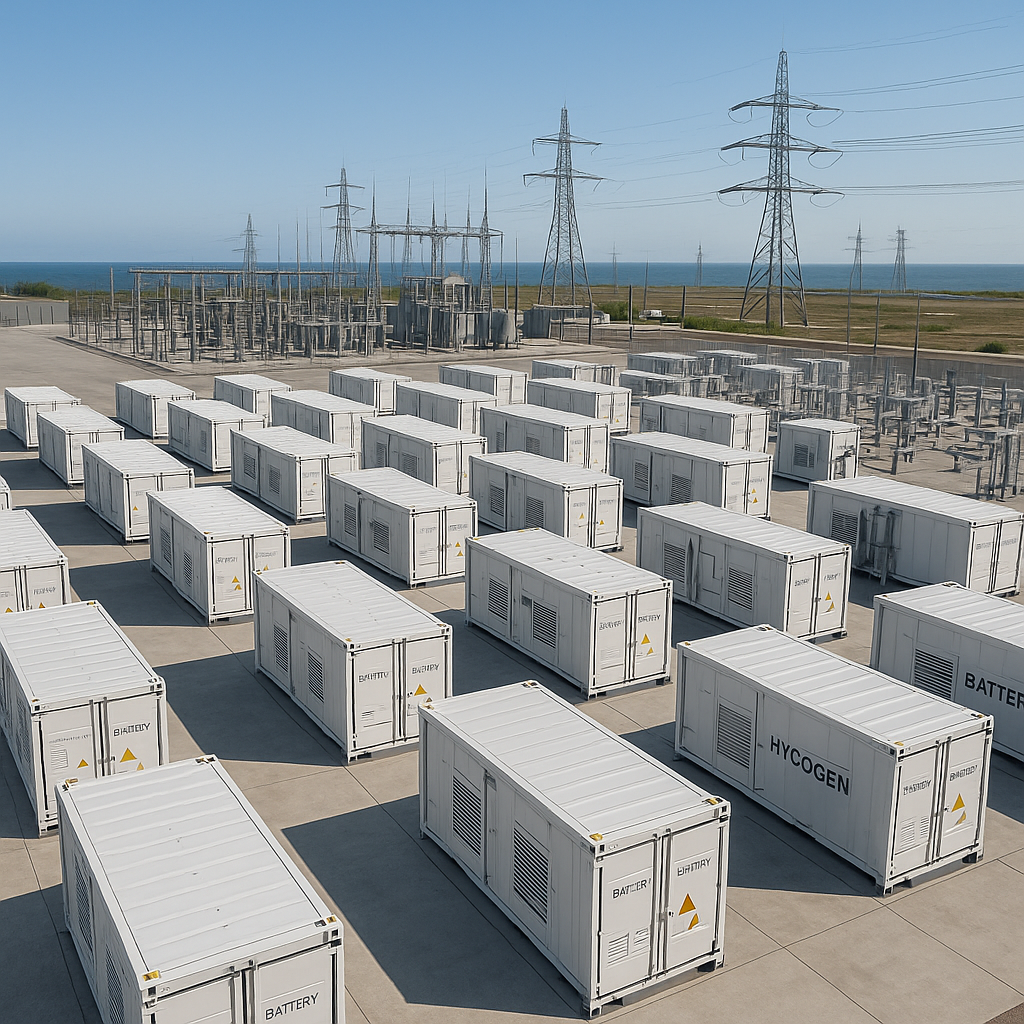
A new EUR 60 million envelope under the PRR reinforces energy storage, and Brussels has given green hydrogen projects more time.
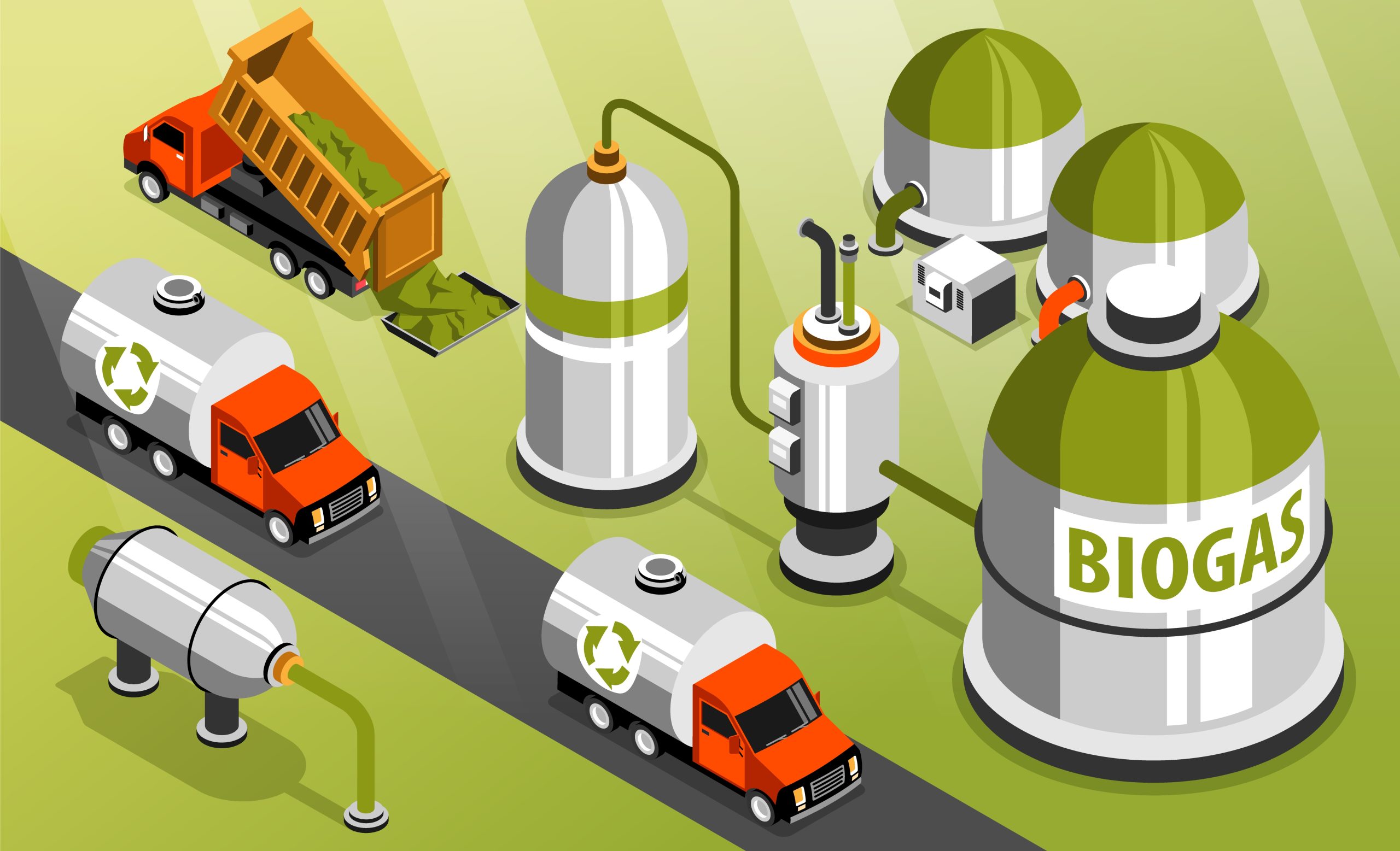
RJAIA and DL 11/2023 criteria determine whether a biomethane unit is subject to Environmental Impact Assessment, with practical examples and common developer mistakes.
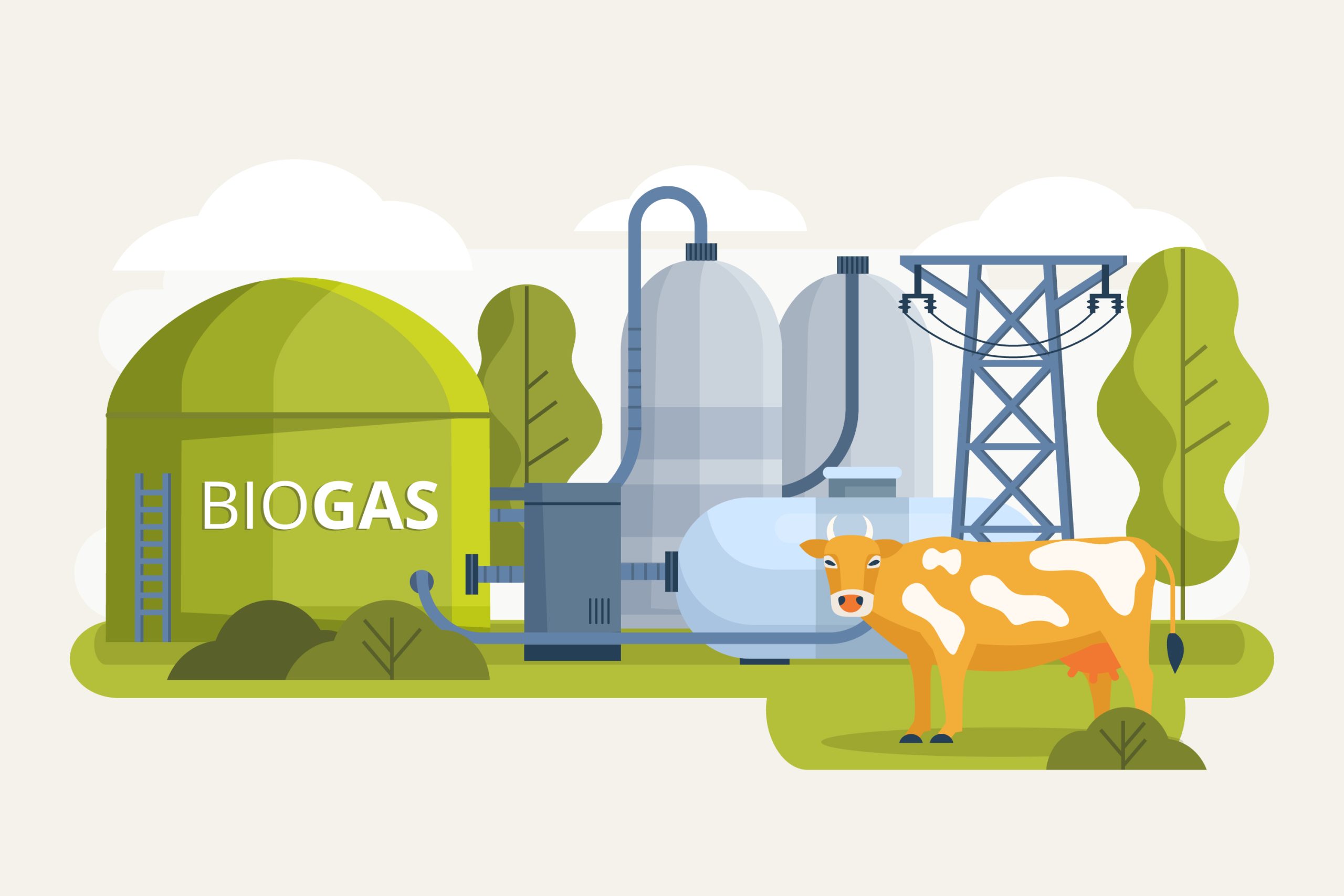
Licensing biomethane units in Portugal requires prior registration with DGEG, an environmental licence via SILiAmb, and coordination with land-use regimes such as RAN and REN — a process now clarified by Joint Order APA/DGEG No. 1/2026.
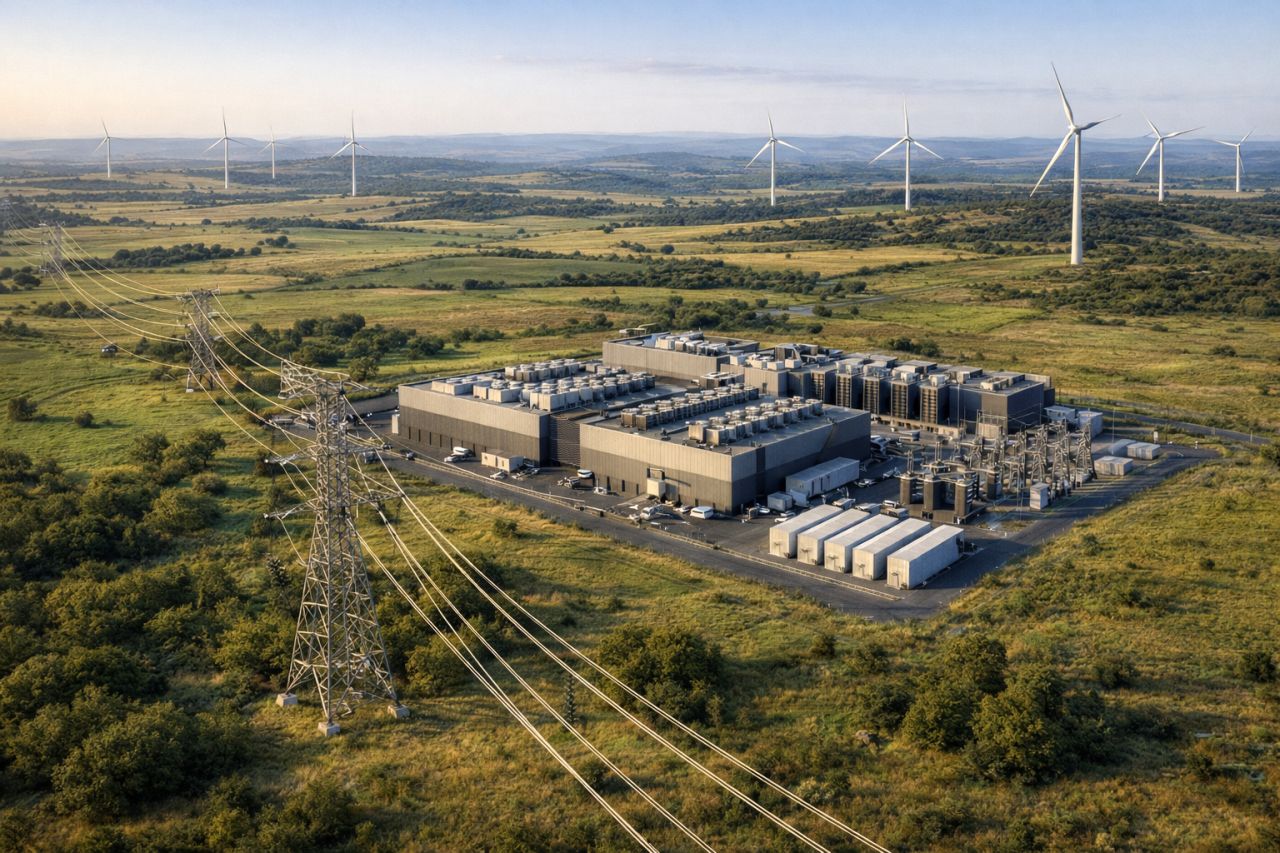
xAI's Colossus supercomputer shows that the real obstacle to AI expansion isn't chips, but energy and environmental permitting.

Portaria No. 481/2025/1 creates EUR 15 million in non-repayable support for energy modernisation in the agricultural sector.
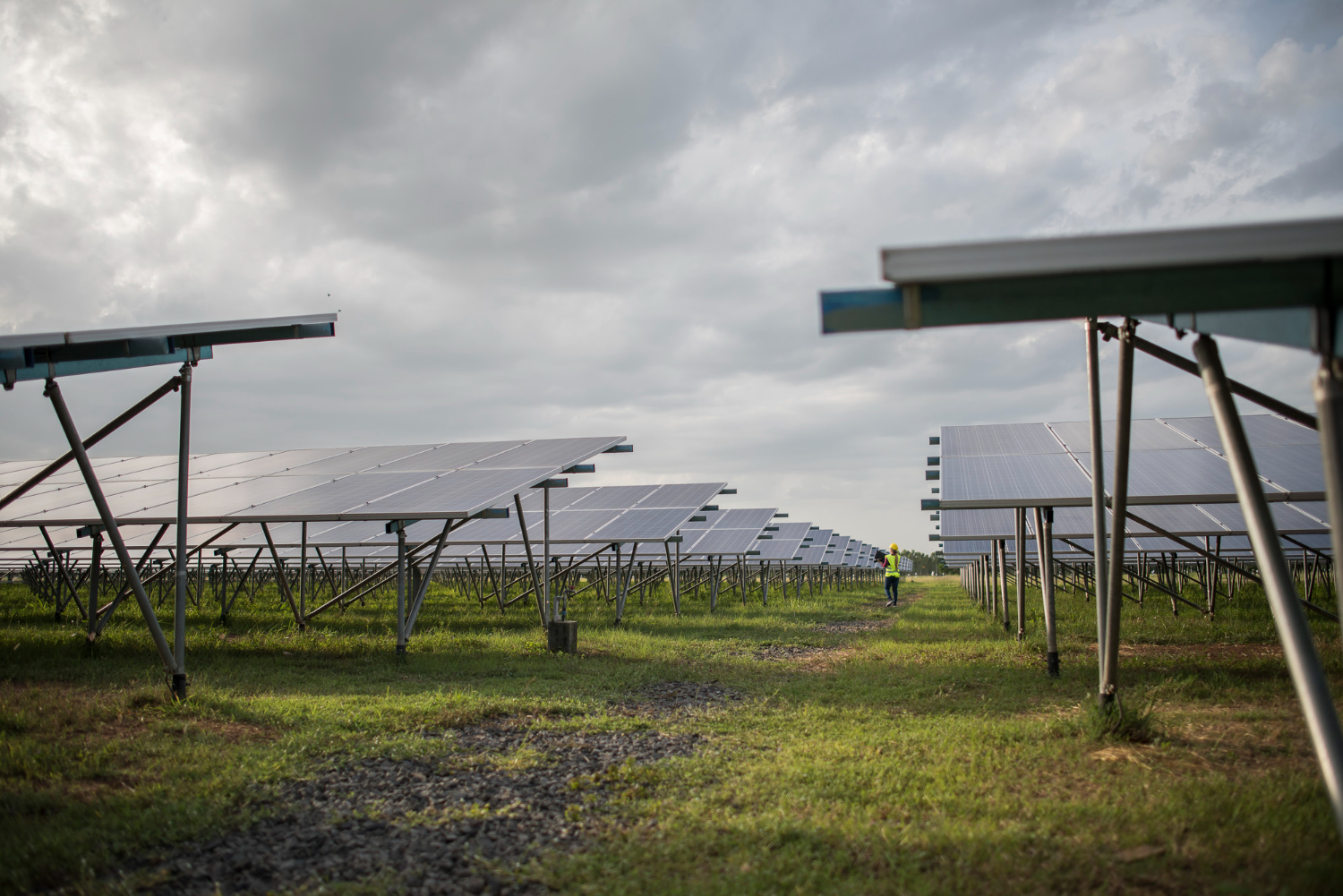
The LNEG report maps a route for Portugal to become a European clean-energy hub through offshore wind and Power-to-X pathways.

Approved by the Council of Ministers on November 28, 2025, the AGE absorbs functions from LNEG and ADENE to accelerate the licensing of strategic projects.
Order No. 170/MAEN/2025 extends renewable energy project completion deadlines by 12 months, covering solar auctions and licences granted under Decree-Law No. 15/2022.
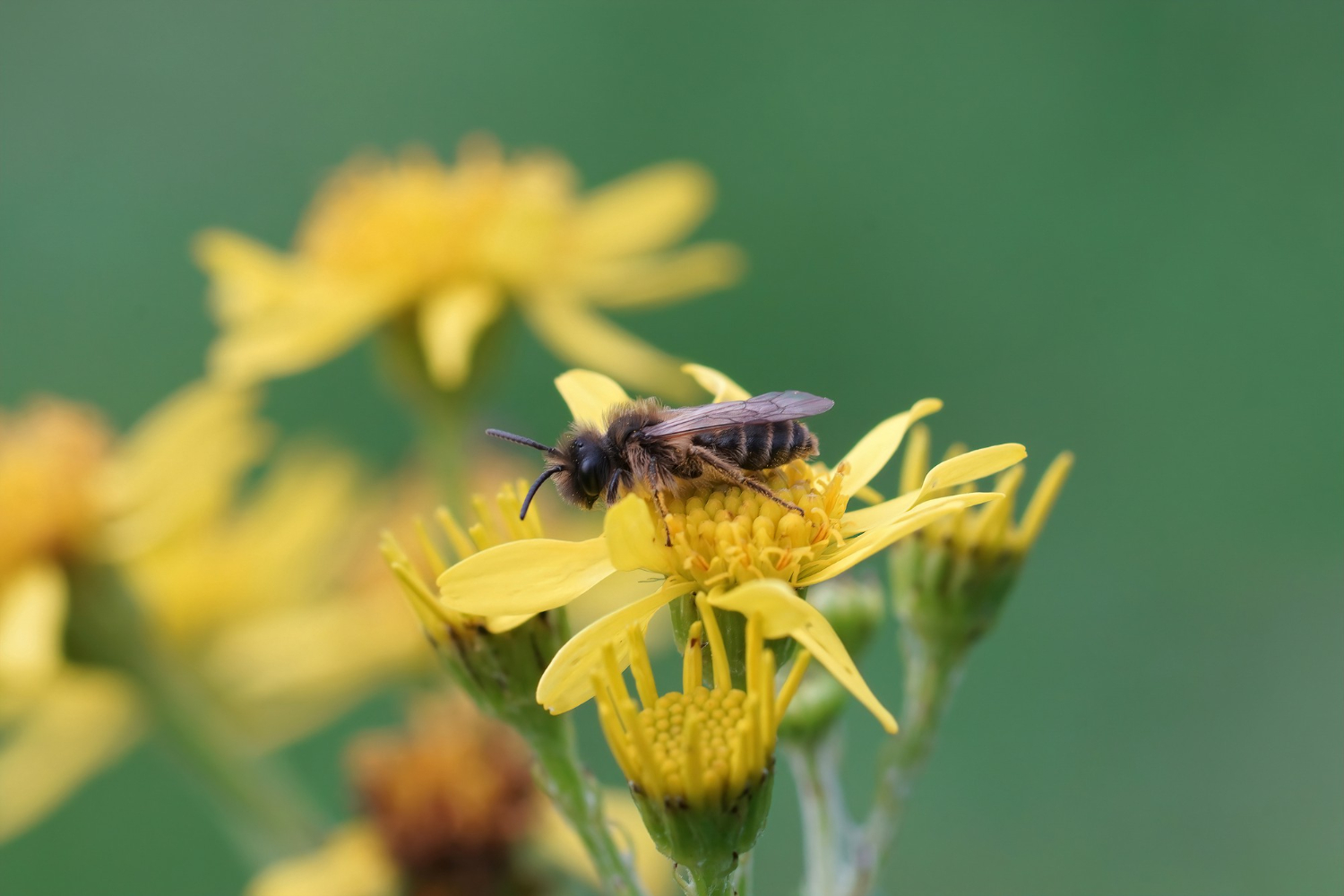
The Pollinator Conservation and Sustainability Action Plan (PACSP), coordinated by ICNF, brings together 30 actions and 116 measures to halt the decline of bees and other pollinators in Portugal.

Microsoft's Brad Smith confirmed at Web Summit an investment exceeding $10 billion in the SINES Data Campus, featuring 12,600 NVIDIA GPUs and 100% green energy.
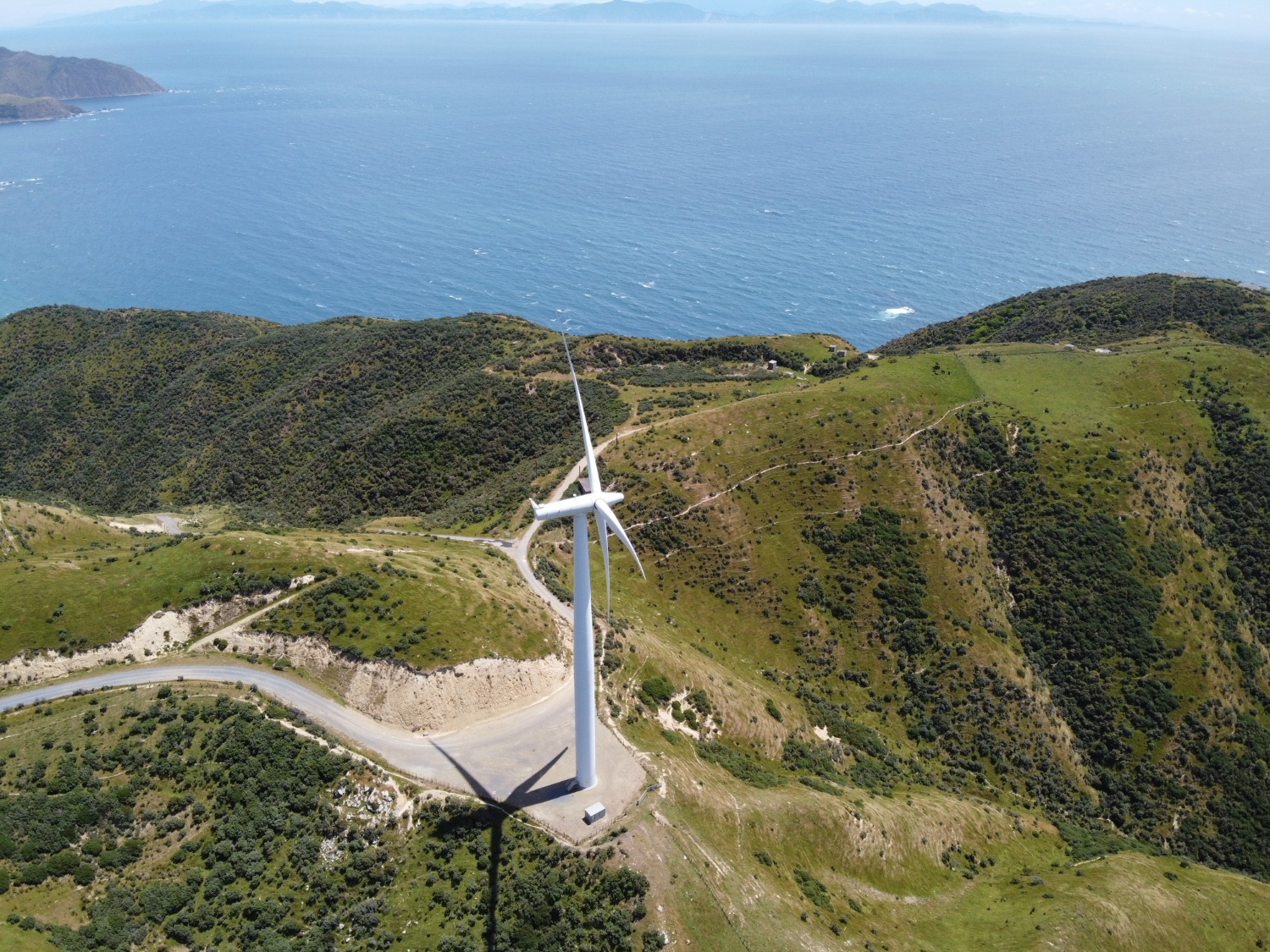
The Green Map, from Portugal's Ministry of Environment and Energy, demarcates Renewable Energy Acceleration Zones (ZAER) with a prior strategic environmental assessment.

Portugal's national Voluntary Carbon Market platform launched in October 2025, registering verified carbon credits through developers, verifiers and buyers.

The "fast-track" regime and Renewable Acceleration Zones (ZAER) promise to speed up renewable licensing, but risks remain around grid capacity, storage and land-use conflicts.
The partial transposition of the RED III Directive raises the national renewables target to 49% by 2030, with new traceability instruments and simplified licensing.
Analysis of the IEA's Global Hydrogen Review 2025: global hydrogen demand approached 100 million tonnes in 2024, but growth remains concentrated in traditional uses, with low-emission hydrogen still marginal.

DGT is making the PRR-funded LiDAR survey of mainland Portugal freely available, with 10cm vertical accuracy and a density of 10 points per m².

DGEG's Explanatory Note No. 5/DG/2025 clarifies how licensing applies to batteries installed at the same site as an existing production plant.

The IEA published its Global Hydrogen Review 2025: global demand reached around 100 million tonnes in 2024, but low-emission hydrogen still accounts for less than 1% of total production.

The Climate Agency disbursed €257.26 million to reinforce the energy transition and environmental sustainability.

A new ten-year ICNF programme, established by despacho No. 1392/2025, aims to halt the decline of Iberian wolf packs in Portugal.
The E-LAR programme, presented by the Minister of Environment and Energy, supports up to 30,000 households in replacing gas appliances with efficient electric solutions.

Decree-Law No. 93/2025 establishes the new legal regime for electric mobility, allowing charging without a prior contract and requiring alternative payment methods.
ADENE, ERSE and E-REDES have launched the first of three guides on energy self-consumption, including self-consumption in condominiums with electric mobility.
The government launched a €400 million package with 31 measures to reinforce the security and resilience of the national electricity system.
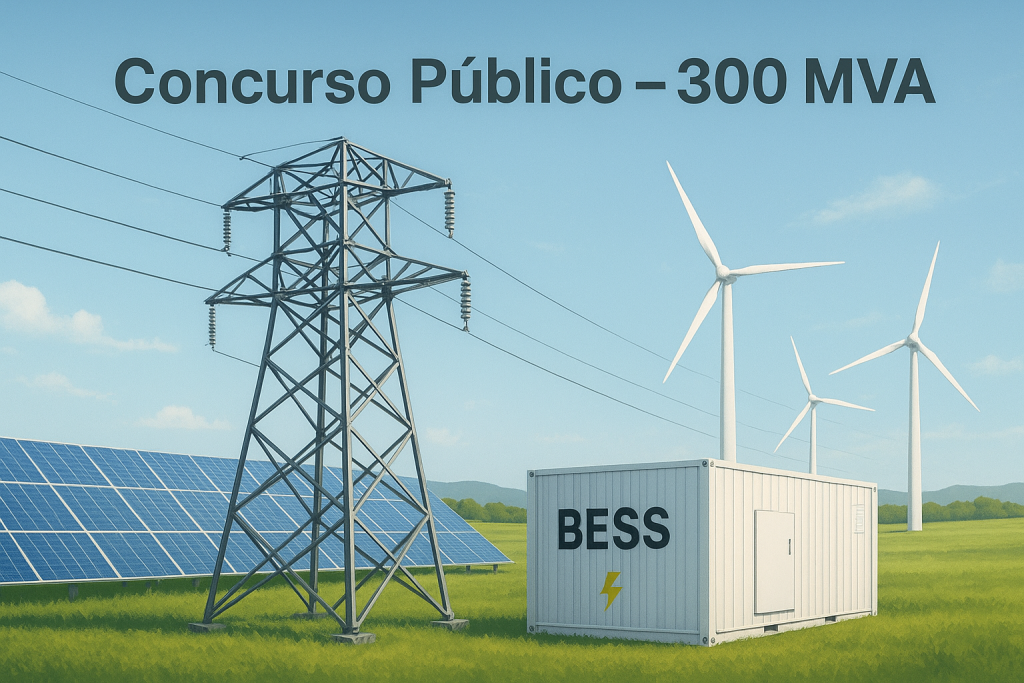
DGEG announced a public tender, to be launched in the last four months of 2025, to award 300 MVA to renewable projects with integrated storage systems.
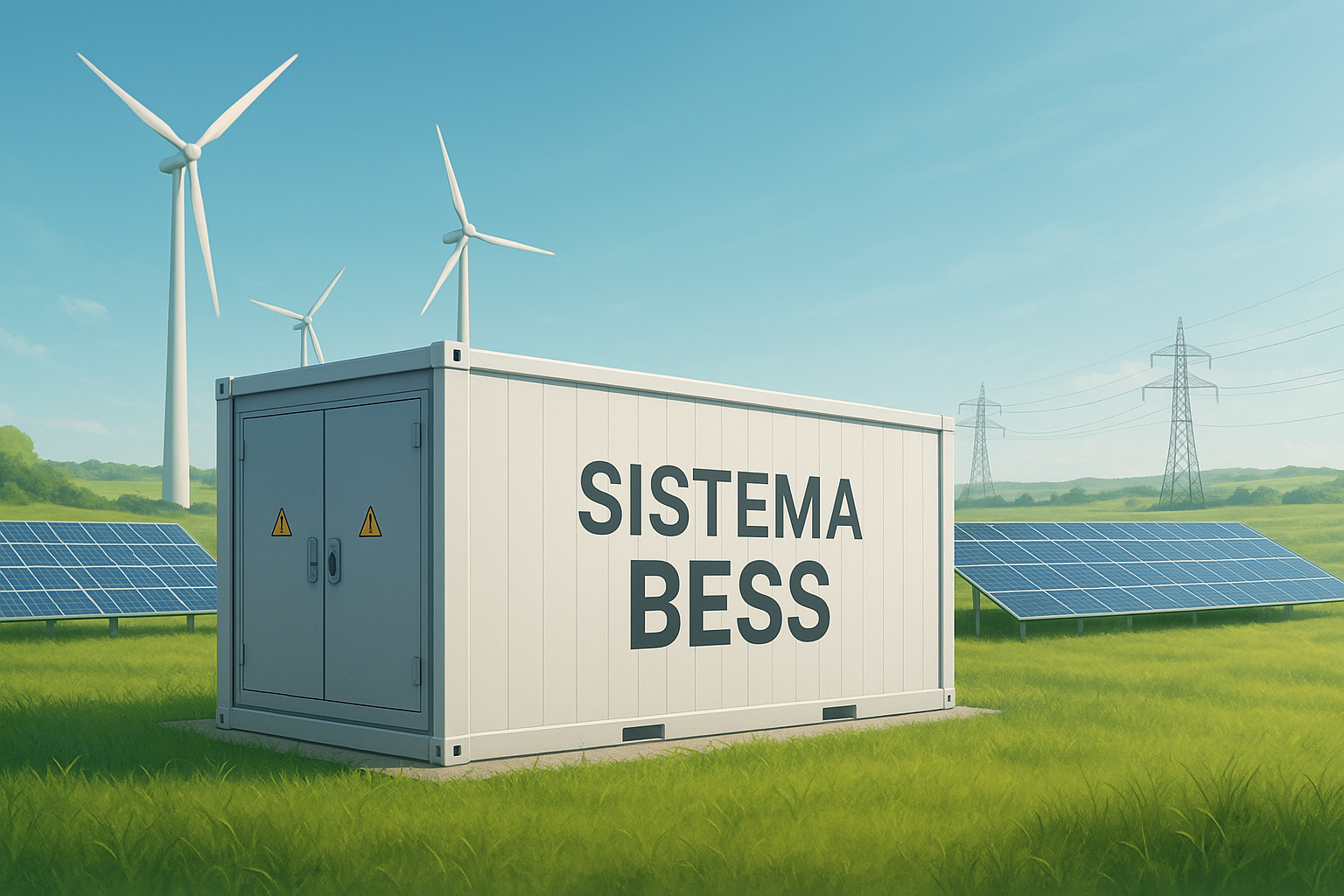
The APA has clarified when battery energy storage systems (BESS) must undergo an Environmental Impact Assessment.
A DGEG explanatory note confirms that replacing wind turbines without changing the footprint area is a non-substantial change, exempt from new prior-control procedures.
APREN's annual conference returns on 2-3 October 2025 at Culturgest, Lisbon, bringing together the renewable energy sector.
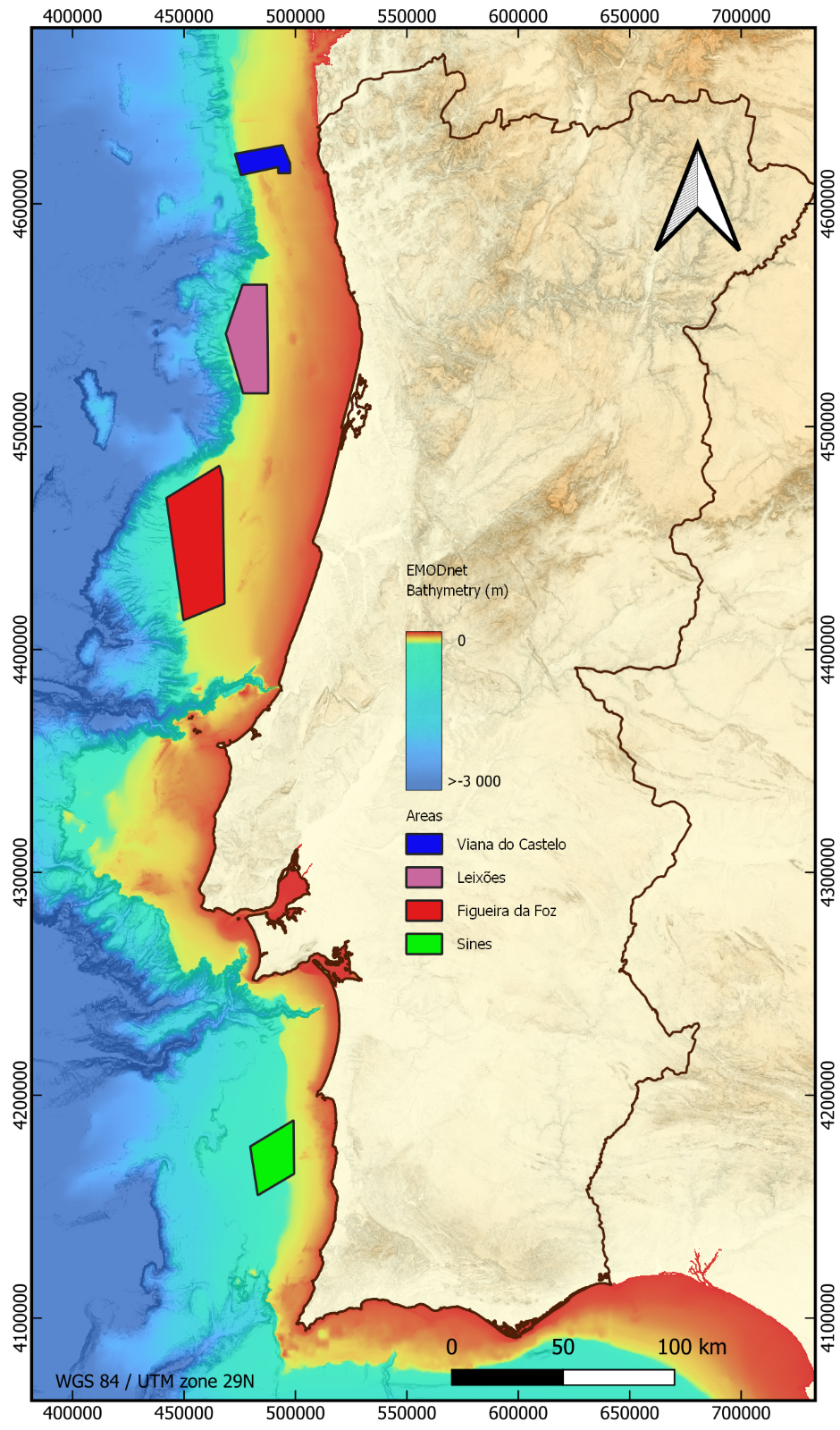
Coordinated by IPMA under the PRR, the Estudos OWF project has gathered 2,167 linear km of geophysical data off Leixões and Figueira da Foz, with the 2025 campaign studies expected to conclude in June/July 2026, supporting the upcoming offshore wind auction.
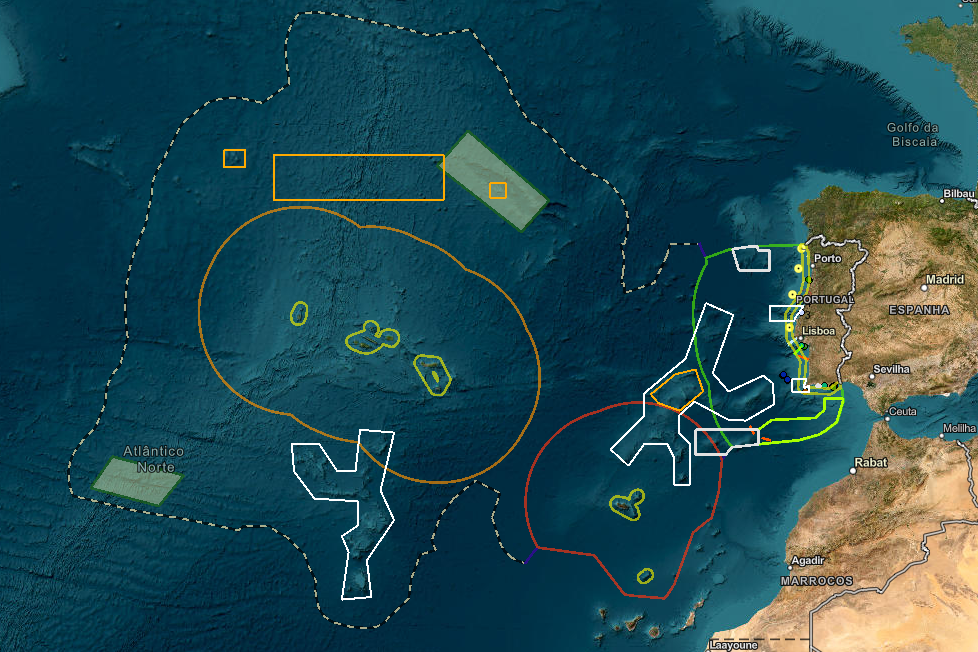
Portugal has announced a new Marine Protected Area at Gorringe Bank, raising the share of protected national waters from 19% to at least 27%.
The Aquawind prototype validated a floating offshore wind platform, paving the way for the technology’s future expansion.

Portugal's Environmental Fund approved 112 applications supporting Renewable Energy Communities and Collective Self-Consumption, with €19.1 million in funding under the PRR, aiming to add around 93 MW of installed renewable capacity.
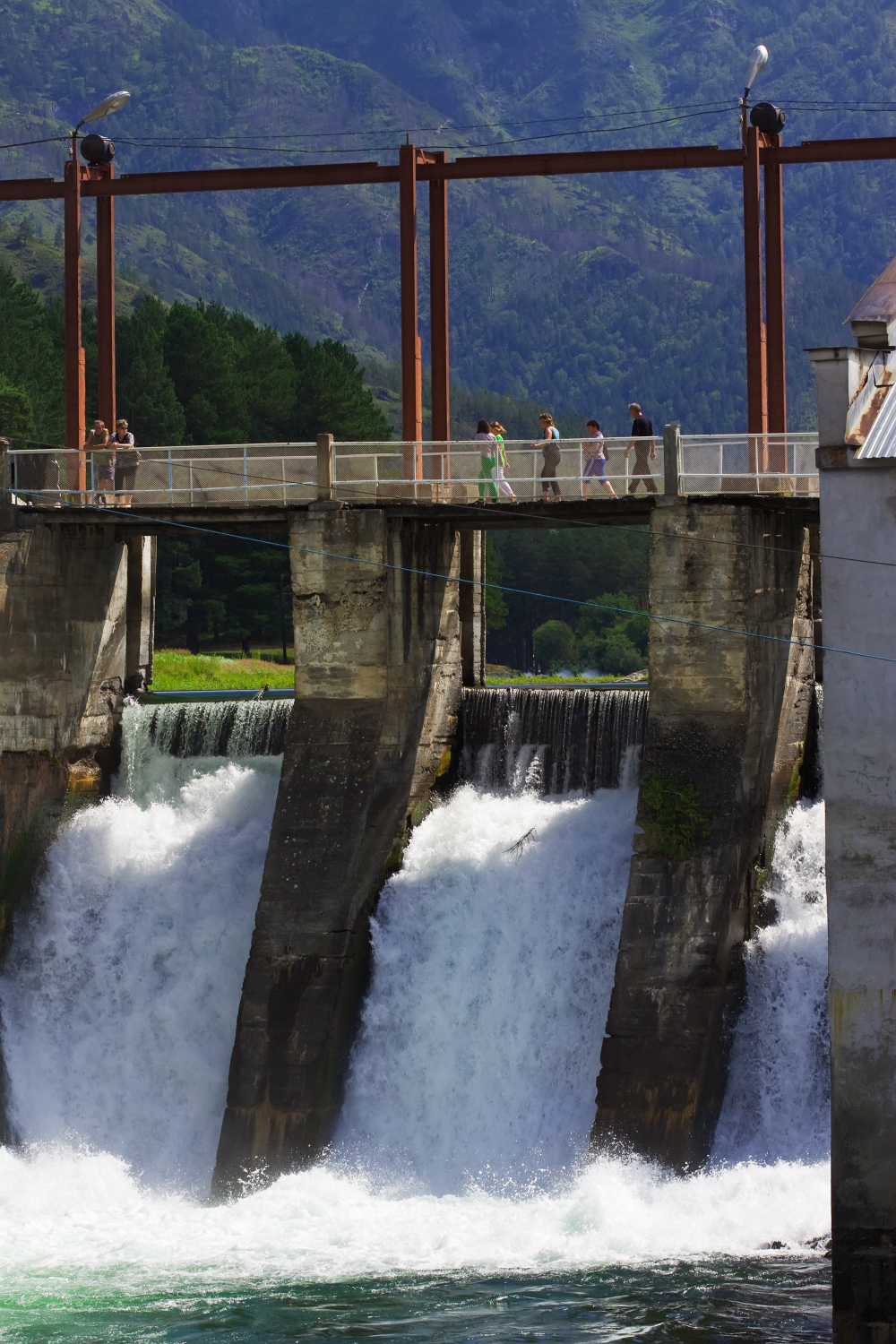
Portugal has around 260 large dams and more than 8,000 small dams and hydraulic barriers, serving functions from power generation to local irrigation.
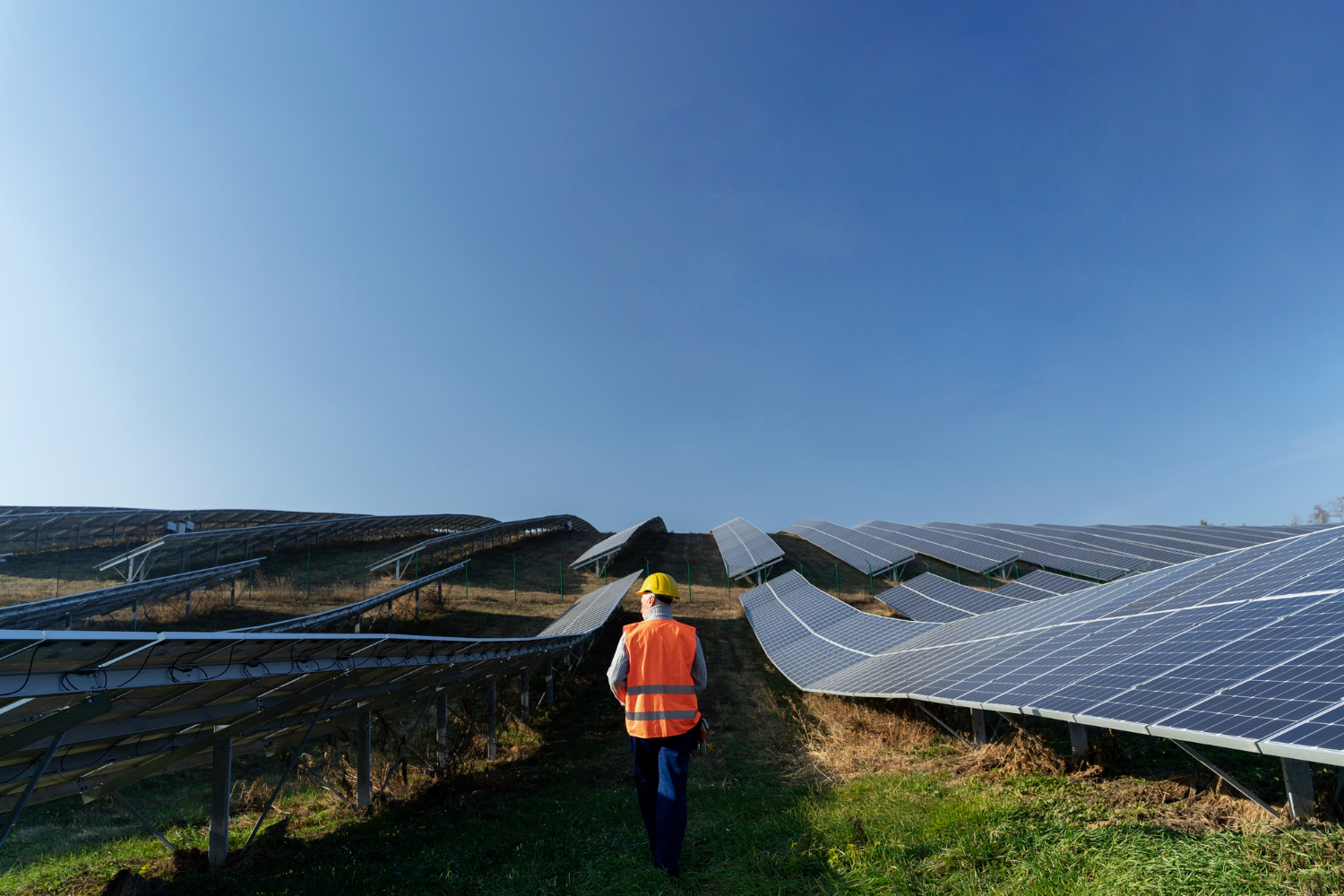
Despacho No. 170/MAEN/2025 extends, for the third time and by 12 months, the deadlines for winning solar auction projects, stating it is "non-extendable".

The first methodology for Portugal's Voluntary Carbon Market, focused on forestry projects, is under public consultation with a launch expected in the second half of 2025.
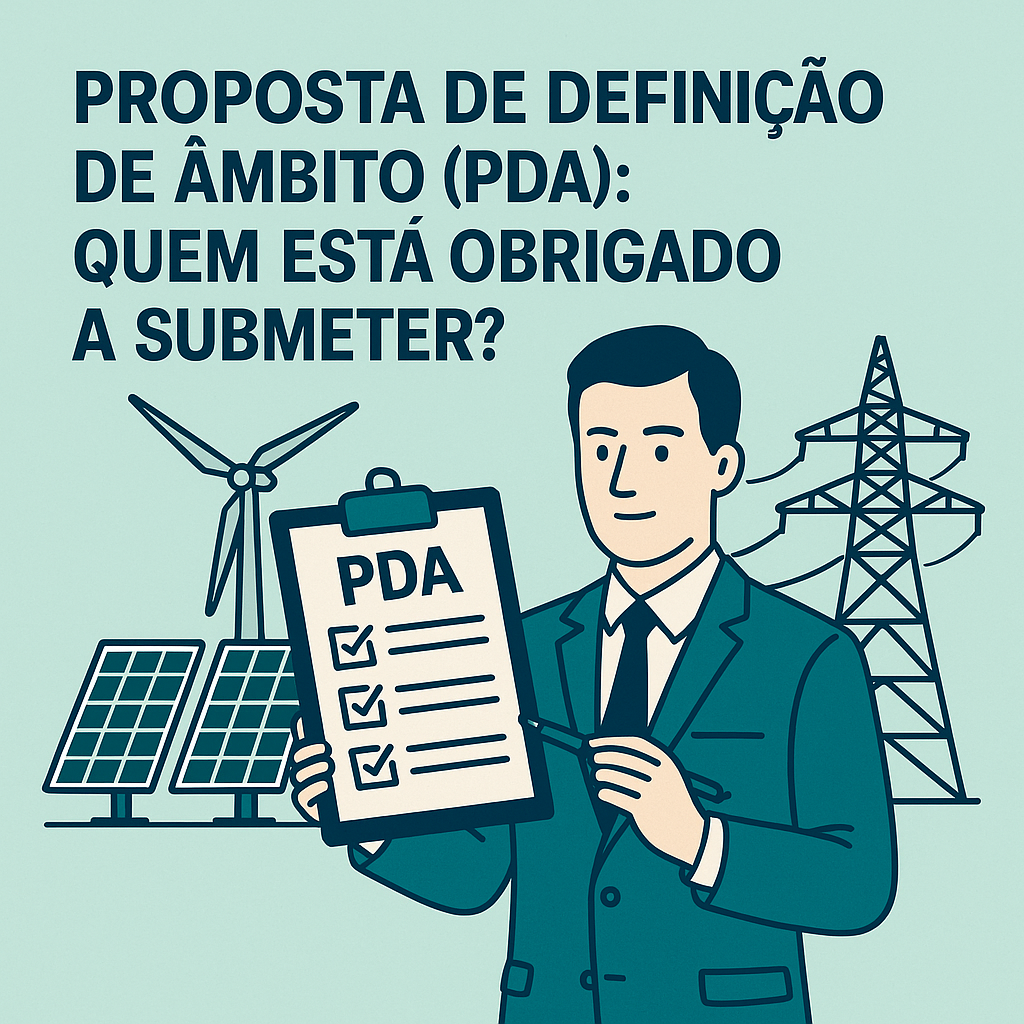
Decree-Law 99/2024 made the Scope Definition Proposal mandatory before the EIA for renewable energy, storage, and associated infrastructure projects.

The Government announced the results of a €100 million public tender that will fund 41 energy storage projects, under the PRR and PNEC 2030 targets.

The government set 19 October 2025 as the deadline to define the rules for Portugal's first offshore wind auction, aiming to install 2 GW by 2030.
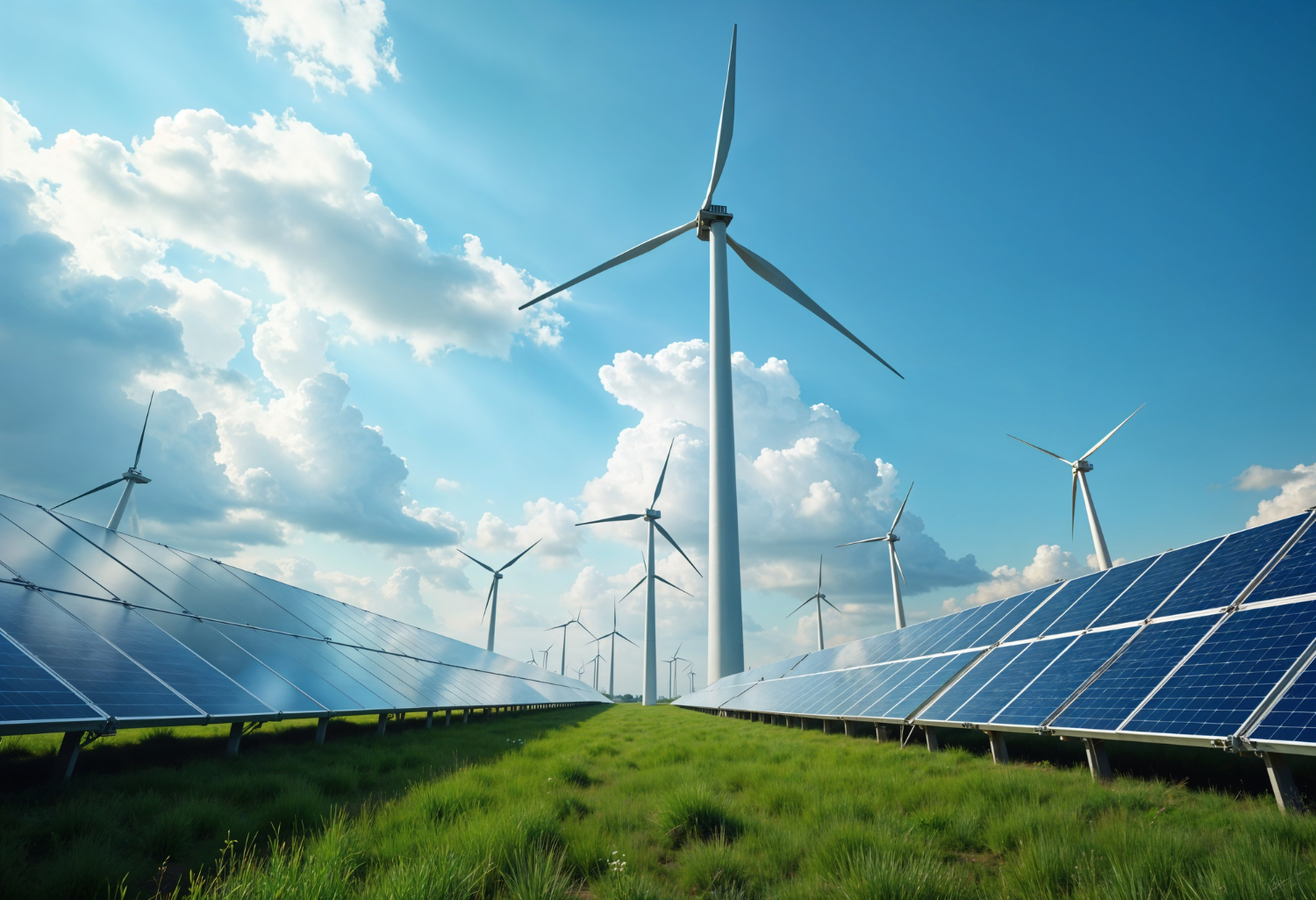
EMER 2030 is preparing a single digital one-stop shop to centralise renewable-energy permitting, with first features expected by the end of 2025.
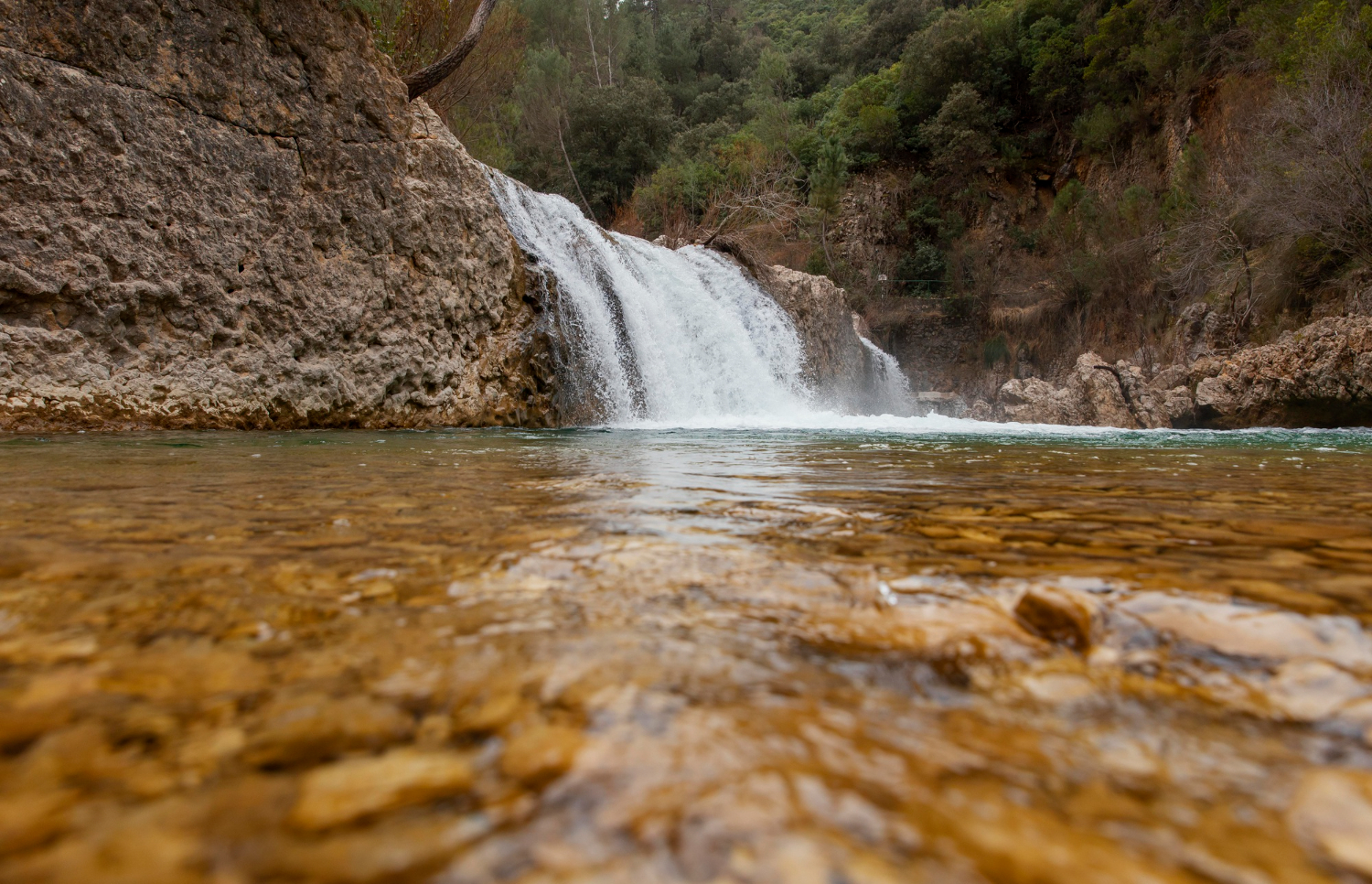
Created in 1983 and now also part of the Alvão/Marão Special Conservation Area, Alvão Natural Park protects the Iberian wolf, the otter, and landscapes such as the Fisgas de Ermelo waterfall.
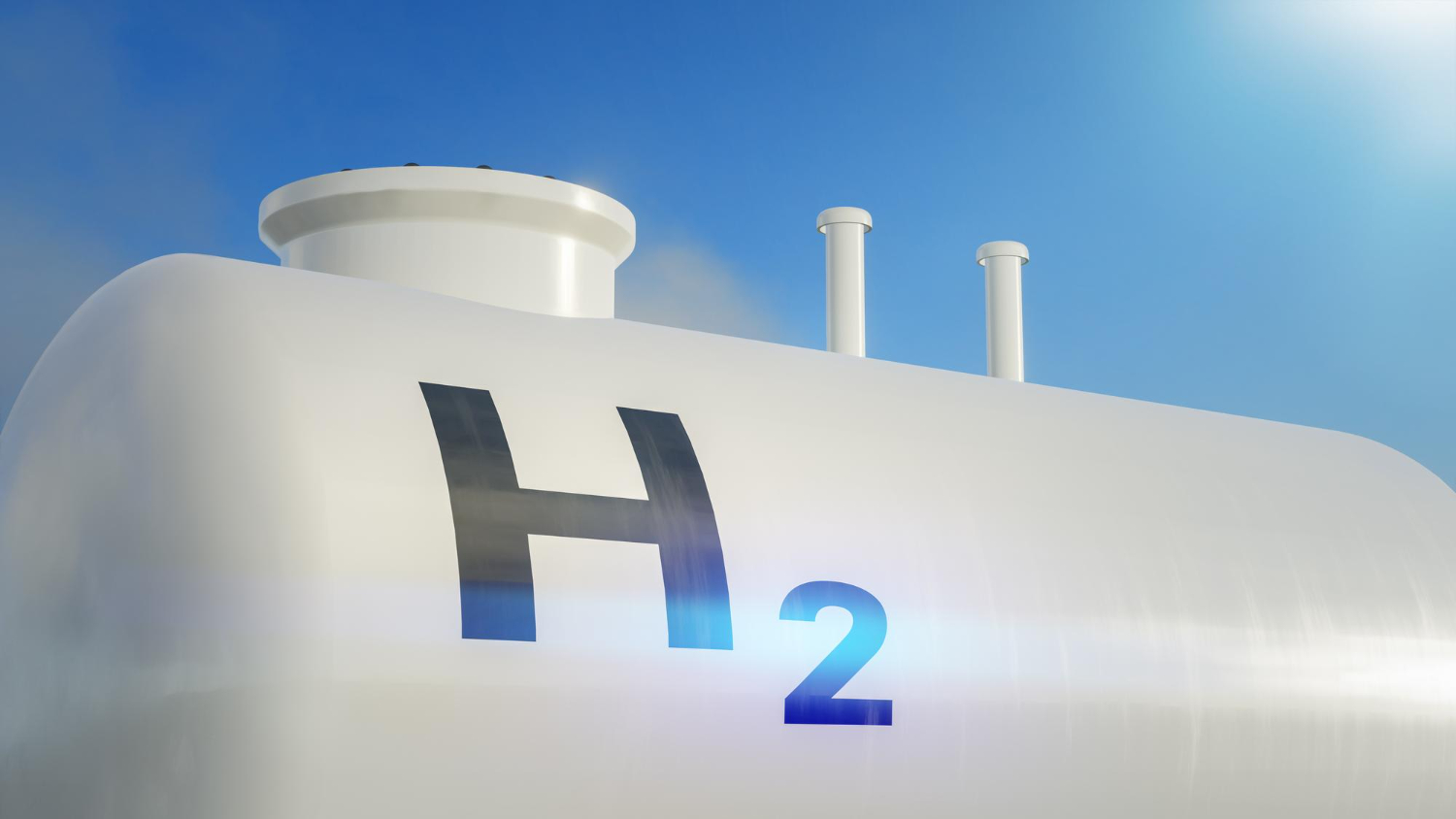
The main green hydrogen projects in Sines — from Galp, Neogreen Hydrogen and MadoquaPower2X — have had production start-up delayed to 2026, together totalling over €3 billion in investment.
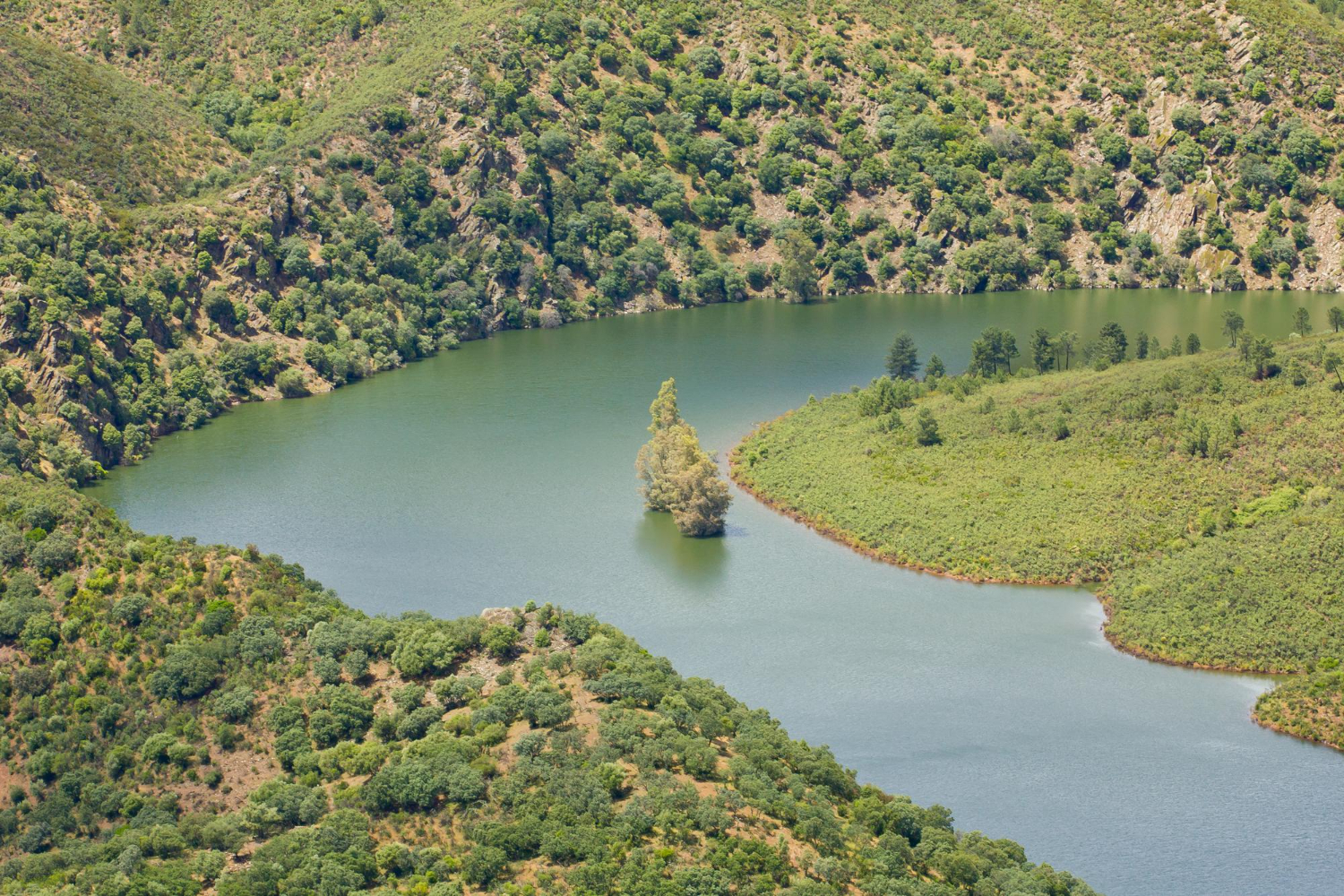
Special Areas of Conservation (SACs) are part of the Natura 2000 network and are governed by a recent set of decree-laws designating new protected areas in Portugal.

The Fundo Ambiental 2025 will mobilise €1.3 billion for 170 strategic projects across eight public tenders.
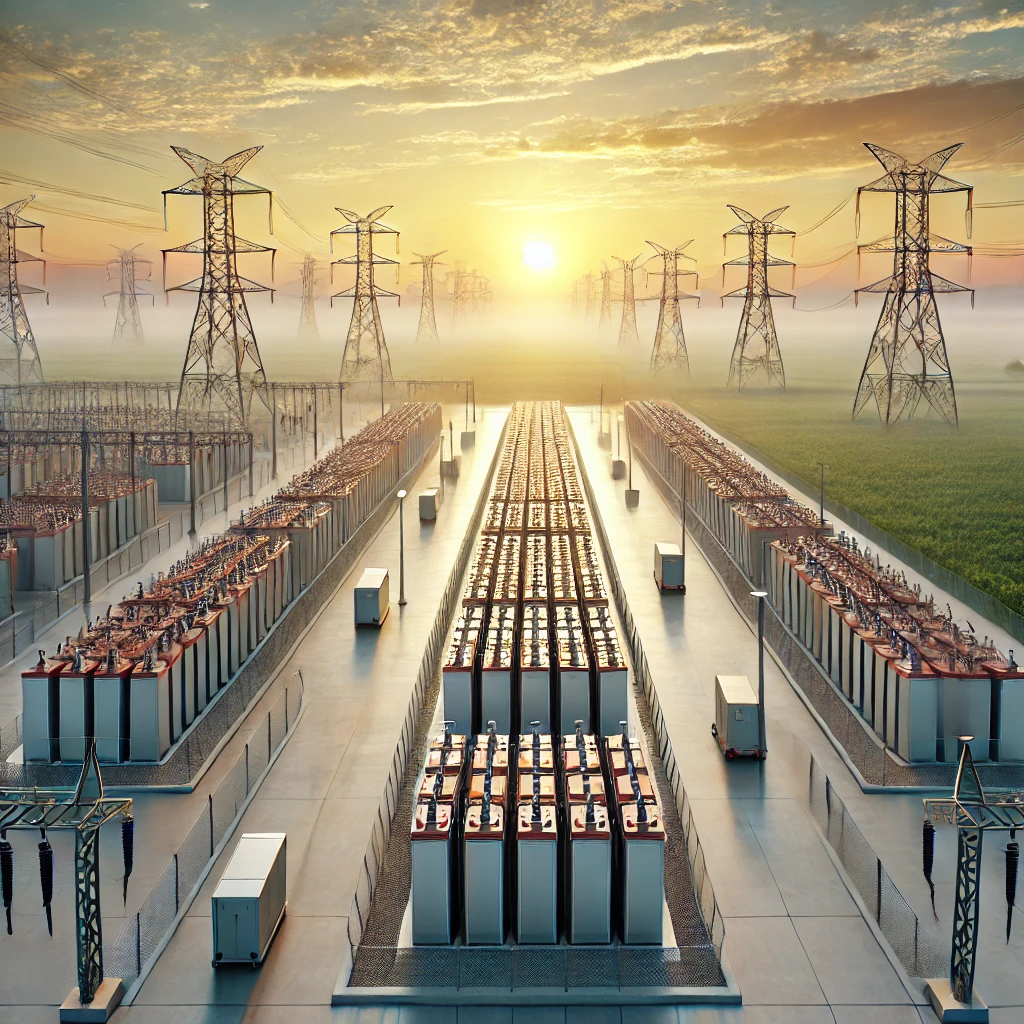
BESS systems store surplus renewable energy and release it when needed, solving the intermittency problem.
Licensing green hydrogen projects in Portugal requires an environmental impact assessment (AIA), atmospheric emissions authorization under DL 127/2013, compliance with the Seveso III Directive given hydrogen's flammability, and water management under Law No. 58/2005.

How environmental licensing for green hydrogen compares with oil and gas, wind, solar and hydro power in Portugal under the RJAIA regime.
Order No. 1859/2025, published on 10 February 2025, standardises licensing procedures for electricity storage installations in Portugal.

The Climate Agency is the first Portuguese entity dedicated exclusively to climate issues, targeting carbon neutrality by 2045.
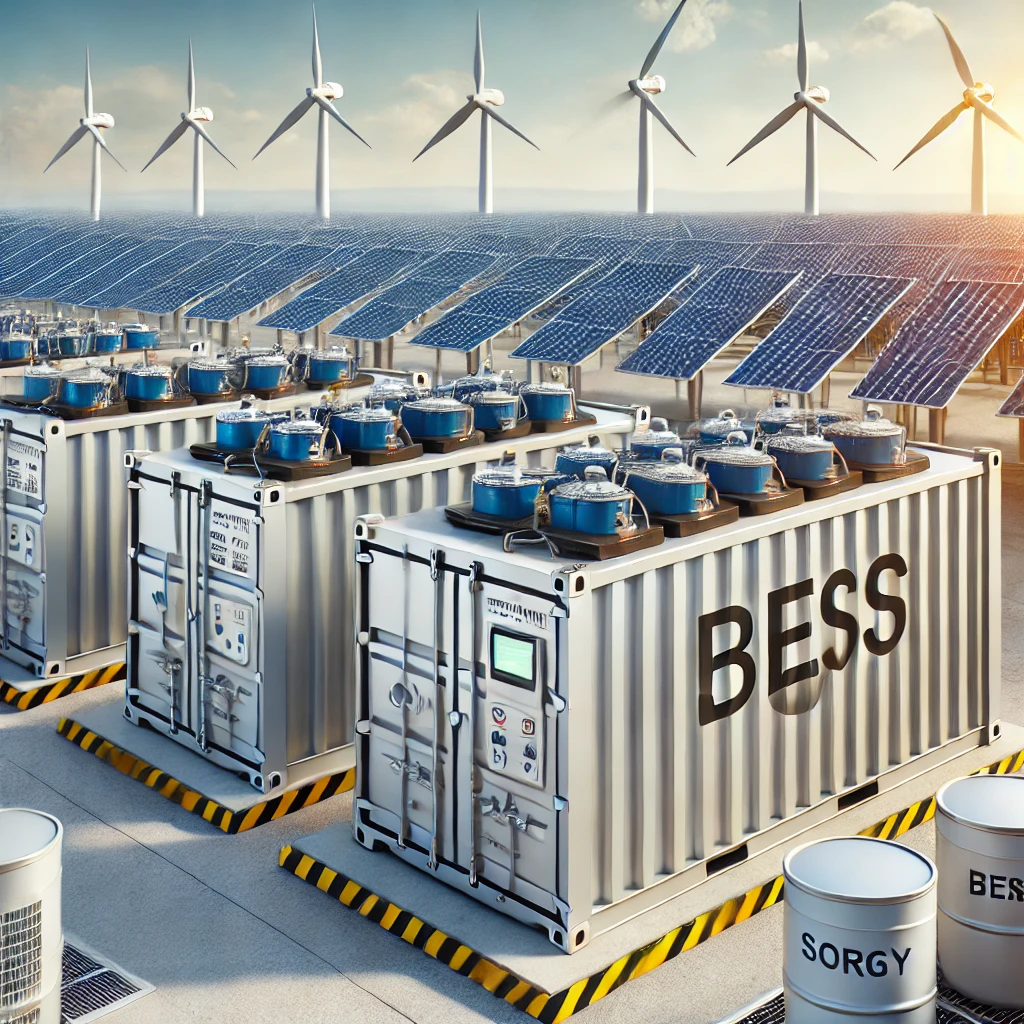
BESS systems store surplus solar and wind energy to release it back to the grid when needed, becoming central to grid stability and power-sector decarbonisation.
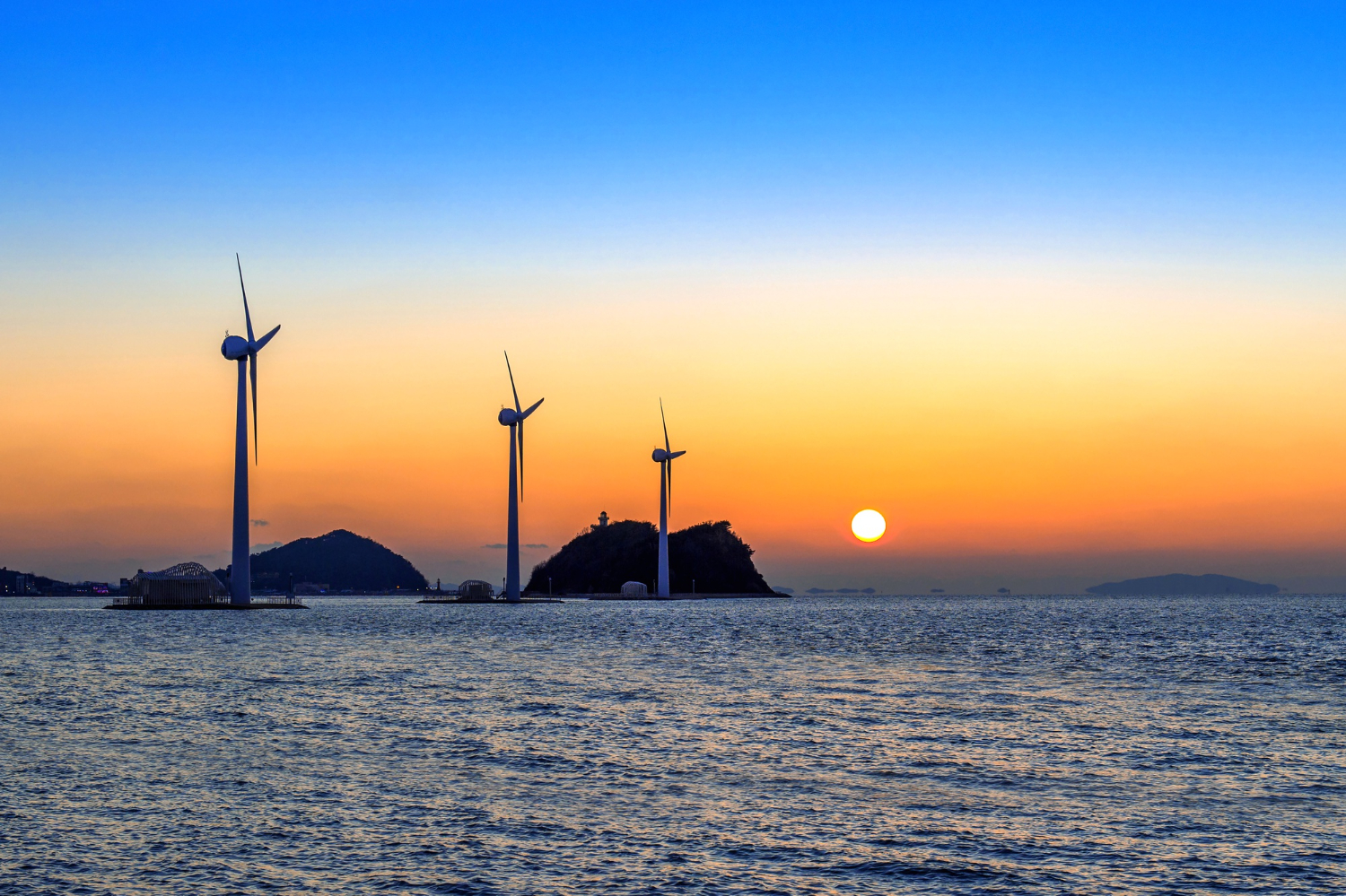
On 9 January 2025, the government approved the PAER, defining six zones along the Portuguese coast to reach 2 GW of offshore wind by 2030.
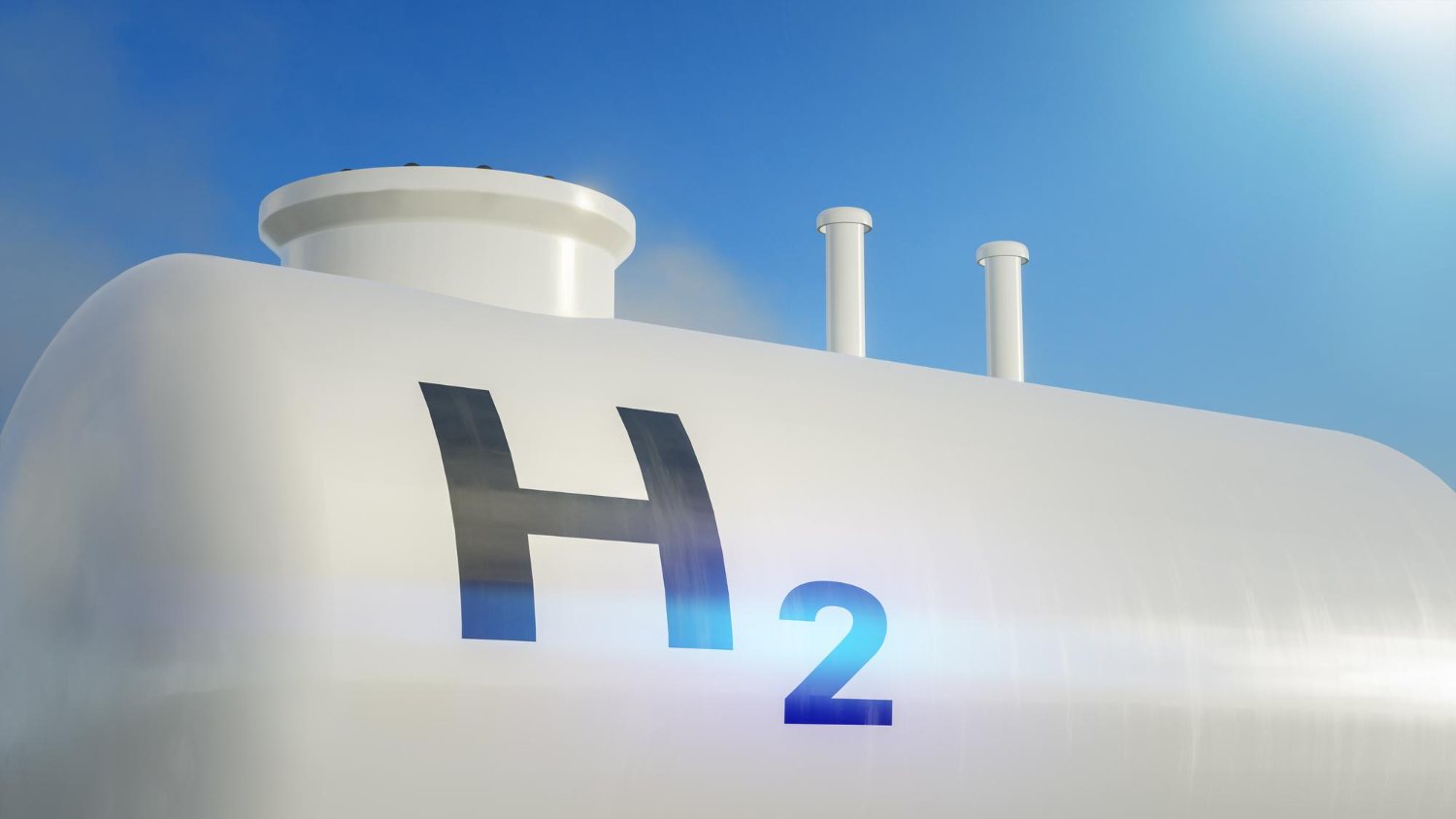
LNEG launched a free calculator to estimate the Levelized Cost of Hydrogen across the entire value chain, from production to distribution.
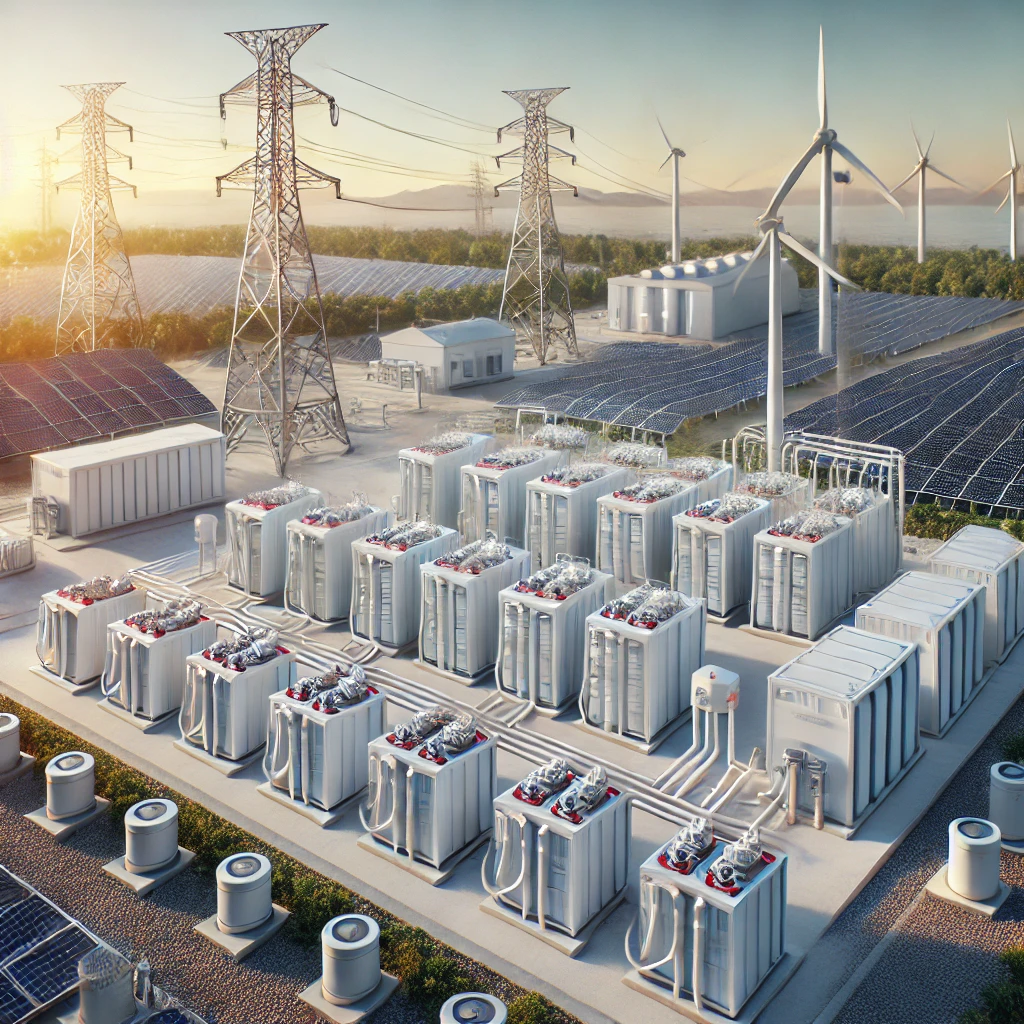
The Government will fund 43 electricity storage projects through the PRR, aiming to install at least 500 MW of capacity on the public grid.

Decree-Law No. 116/2024 extends until 2026 the exceptional administrative simplification measures for renewable energy projects, in line with REPowerEU.
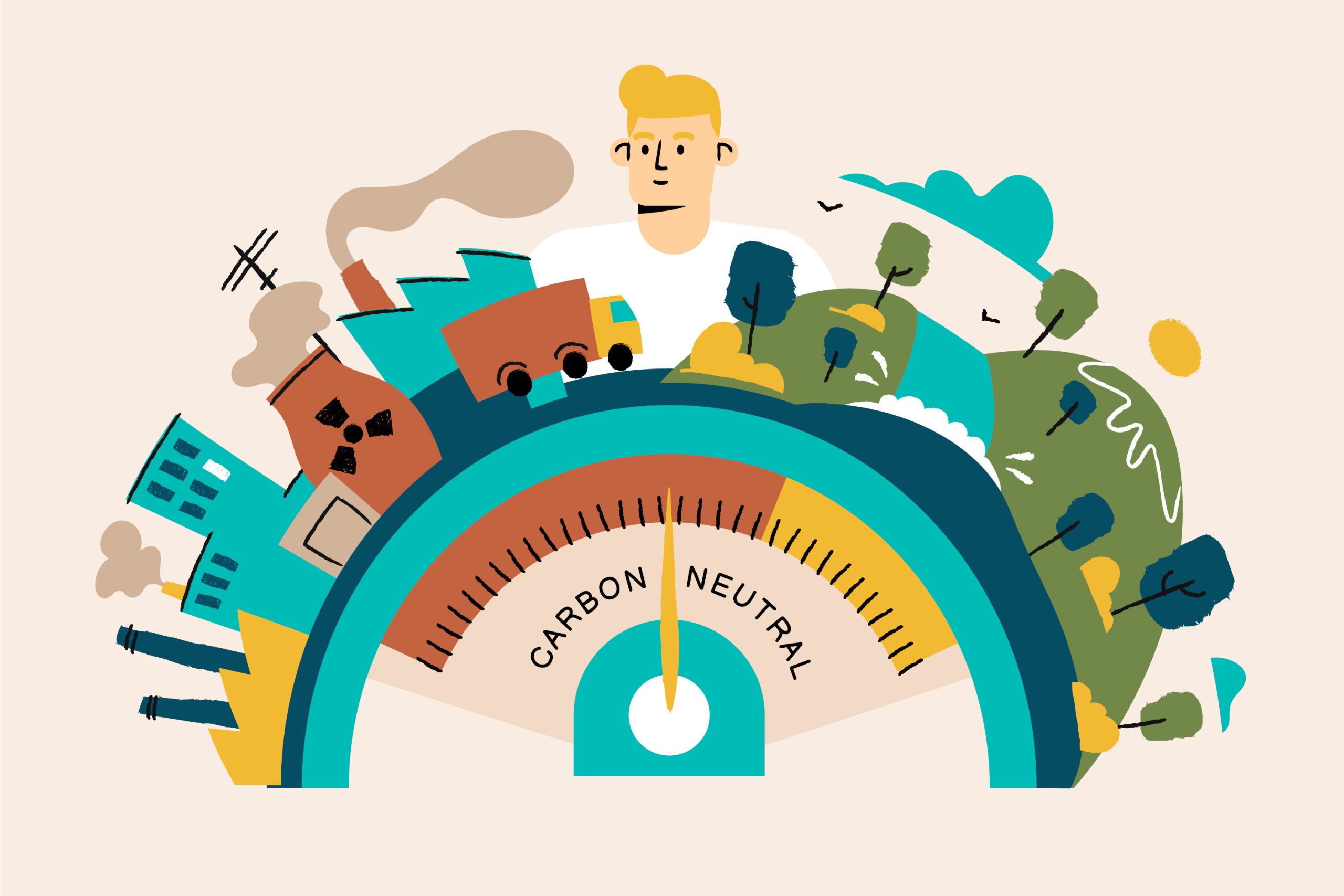
The APA’s tool lets individuals and organisations estimate their greenhouse gas emissions and plan how to reduce them.
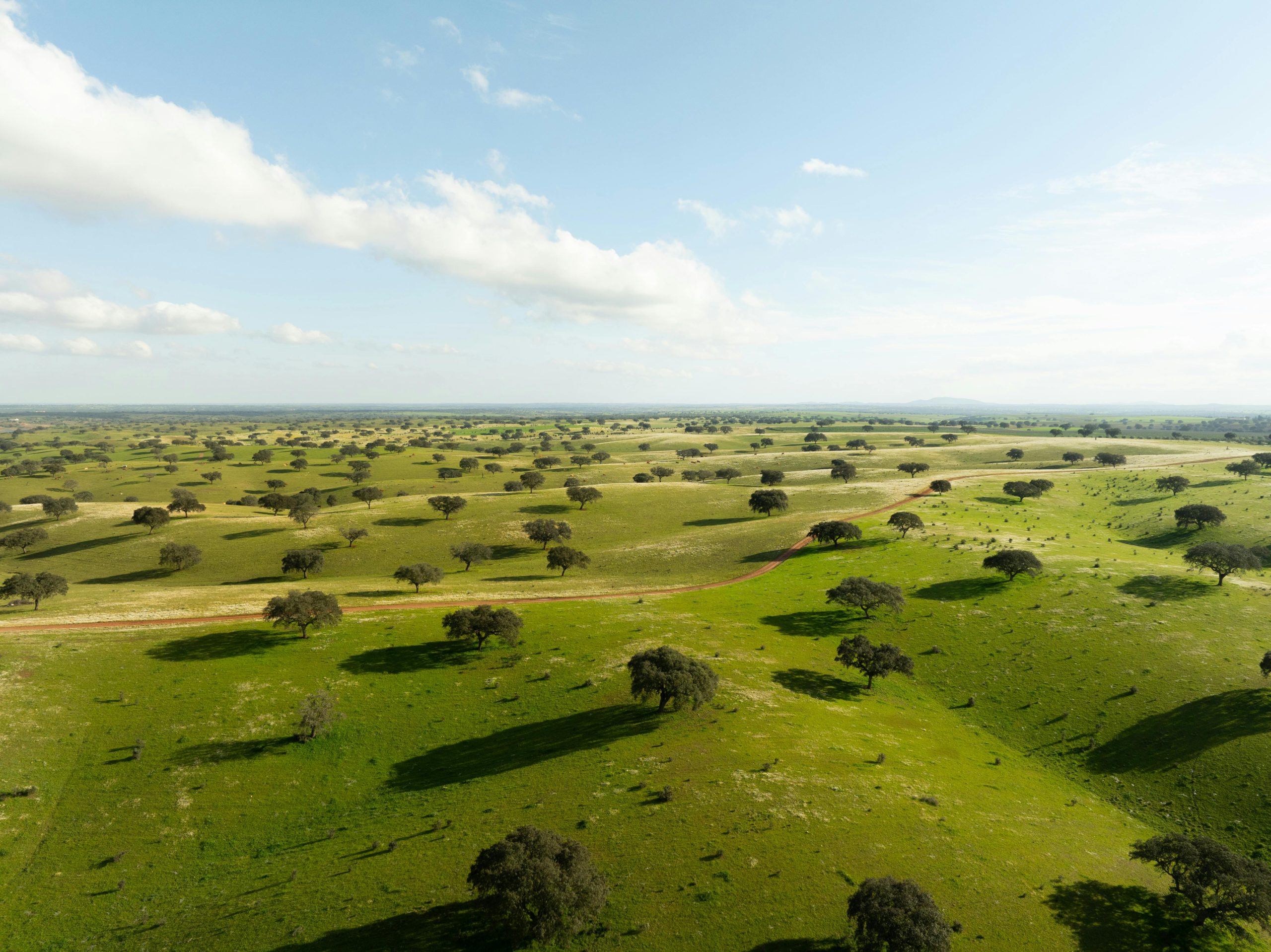
Cork oaks and holm oaks form the montado, legally protected in Portugal and recognised by UNESCO as a globally important agroforestry system.

Decree-Law No. 99/2024, published on 3 December 2024, introduces major changes to licensing deadlines, the energy storage regime and compensation to municipalities.
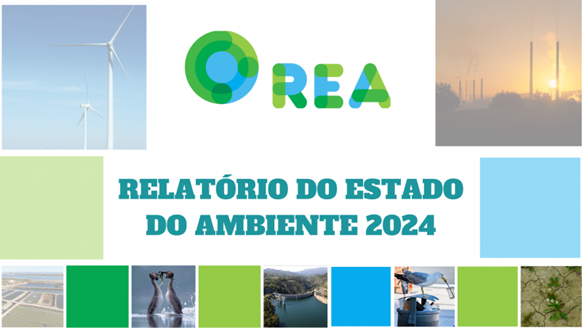
APA's REA 2024 analyses Portugal's environmental performance across eight domains, from GHG emissions to waste and public participation.
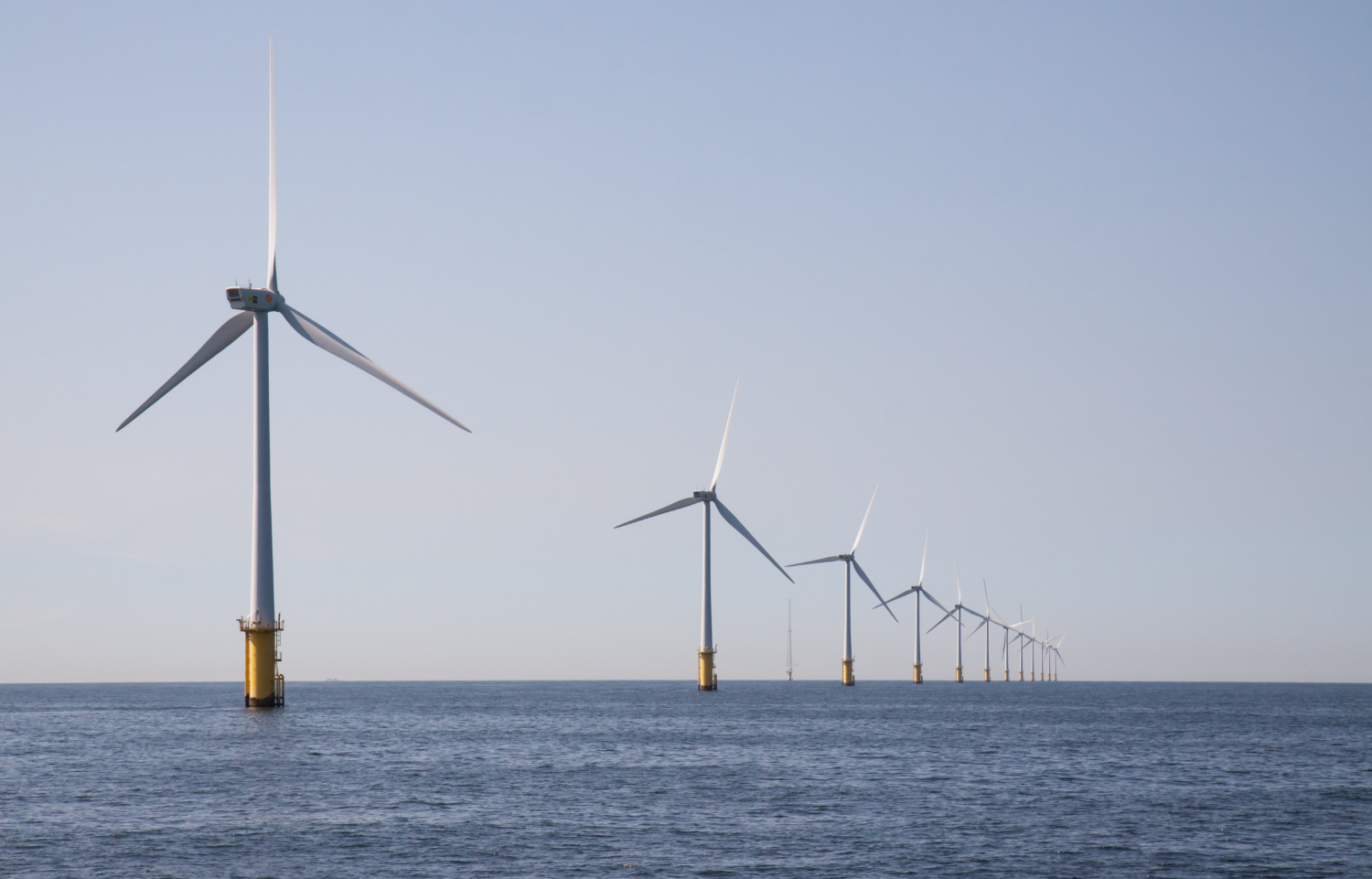
Portugal is preparing its first offshore wind auction, aiming to install 2 GW by 2030, an estimated investment of €9 billion and the creation of thousands of jobs.
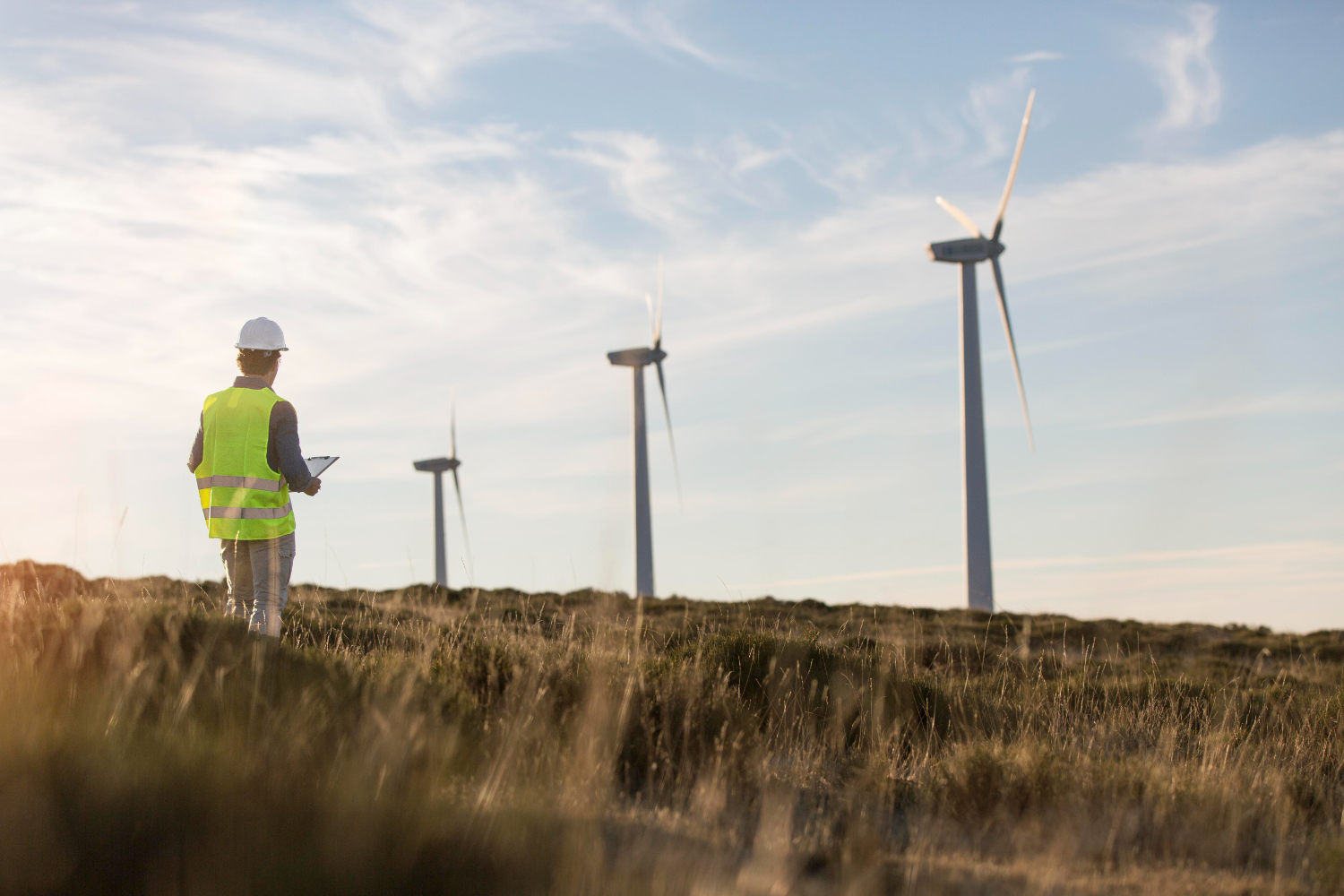
Repowering replaces old turbines with more efficient technology, increasing output without occupying new land.

COP29 took place in Baku, Azerbaijan, from 11 to 22 November 2024, focusing on climate finance and laying the groundwork for COP30 in Belém.

Native forests, such as oak and holm-oak groves, sustain biodiversity and climate regulation, while production forests — mainly eucalyptus and pine, with 7-to-12-year cutting cycles — drive the economy but require sustainable management.
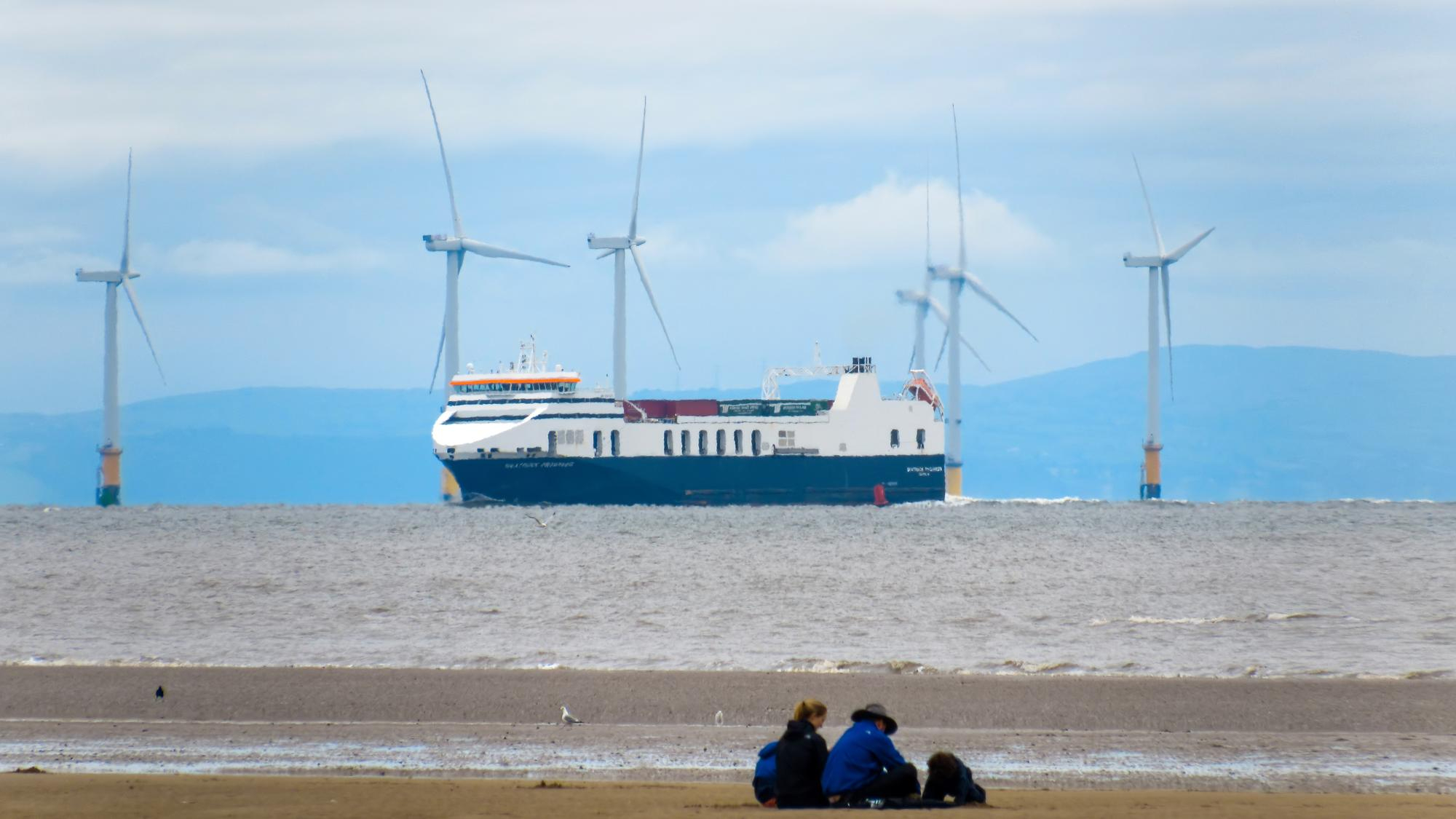
Norway is preparing a tender for 1.5 GW of floating offshore wind capacity, a step toward its goal of 30 GW by 2040.
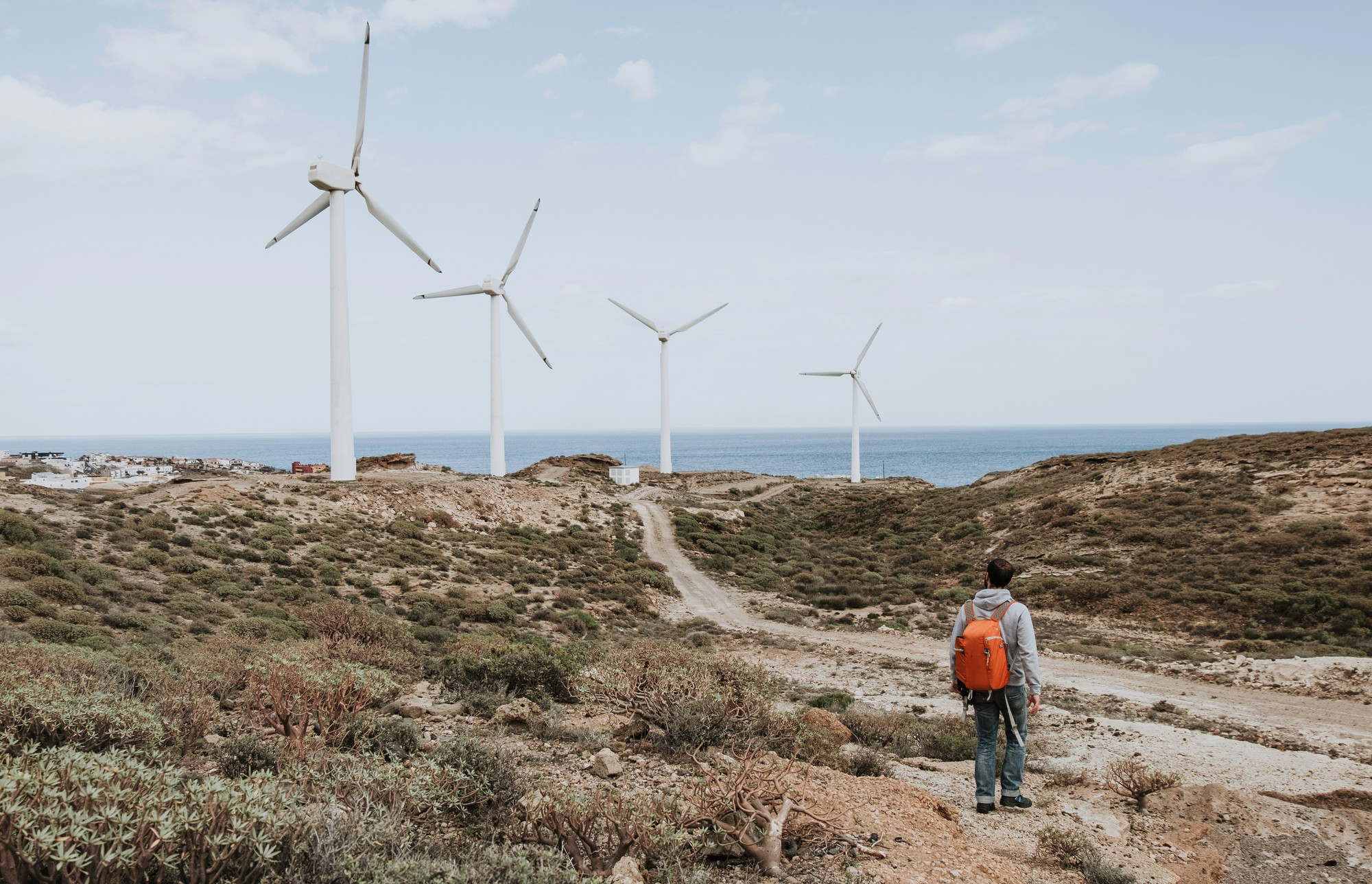
Portugal has about 260 wind farms and 5.5 GW installed, but more than half of that capacity is 15 to 20 years old.

An opinion piece on how nuclear energy went from a great energy promise to a controversial source, exploring three major obstacles: accidents like Chernobyl and Fukushima, radioactive waste management, and high costs compared to renewables.

Organised by APREN, the Portugal Renewable Energy Summit 2024 was held in Lisbon on 4 and 5 November, bringing together industry leaders to discuss electricity market reform and the energy transition.

Portugal's power grid faces saturation, ageing infrastructure and the need for digitalisation to keep up with the energy transition.

World Climate Action Day, marked on 24 October, mobilises governments, businesses and citizens around concrete measures to cut emissions and curb global warming.
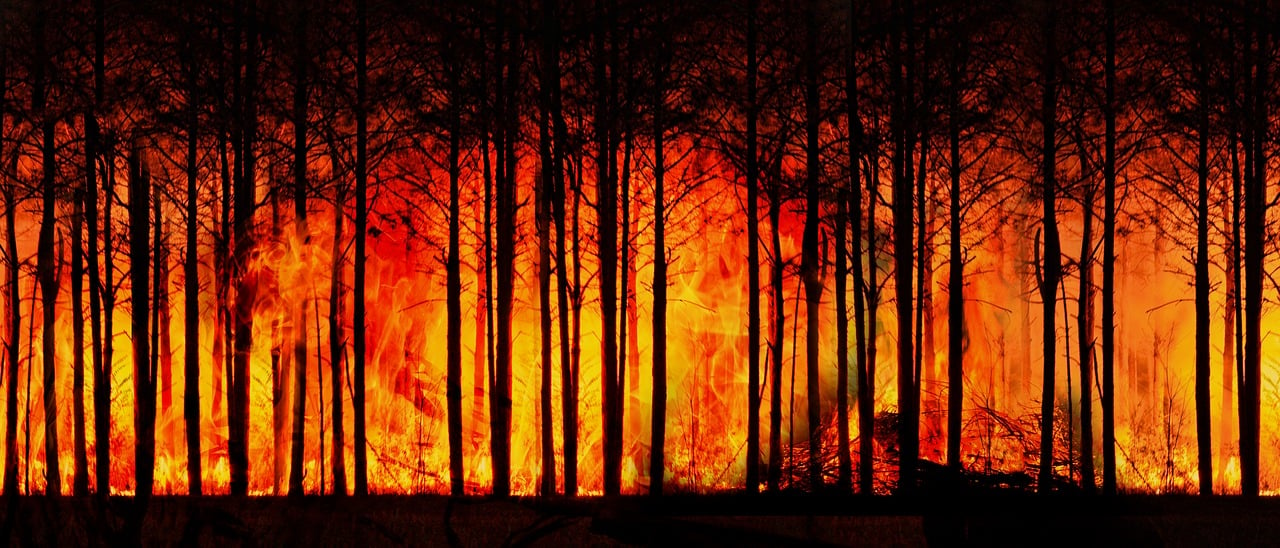
Wildfires in Portugal have significant impacts on biodiversity, soil, climate and water resources — and call for an integrated approach of prevention, forest management and restoration.

World Migratory Bird Day highlights the importance of the routes and habitats crossing Portugal, a strategic corridor between Europe and Africa.
PNEC 2030 sets Portugal's energy and climate targets through 2030, including 47% renewables in final consumption and a 45%-55% cut in GHG emissions versus 2005.

What ecological corridors are, the role they play in biodiversity conservation, and concrete examples that exist in Portugal.
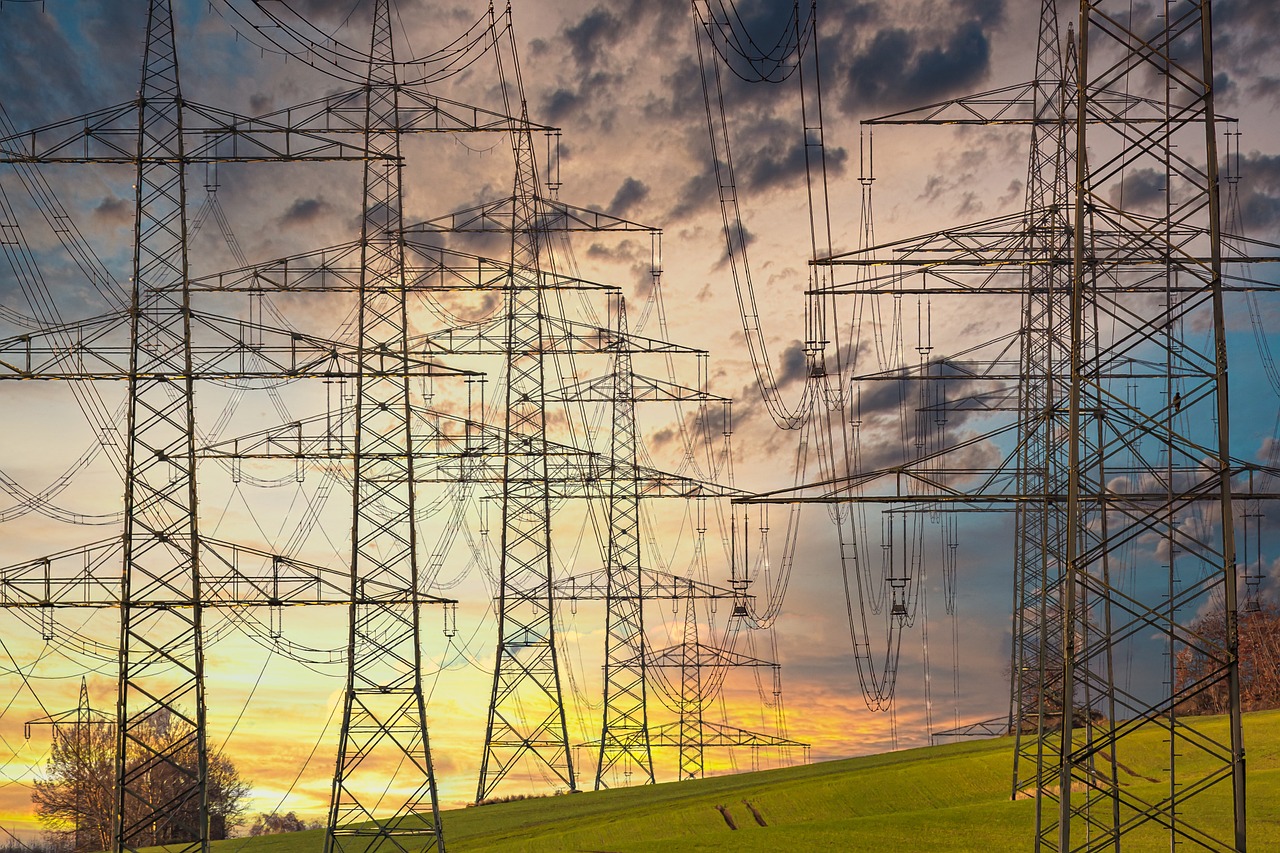
A EUR 100 million public tender for large-scale batteries received 76 applications, nearly three times the planned capacity.

The Portuguese government launched a EUR 75 million support programme to promote the creation of Renewable Energy Communities (CER) in Portugal.
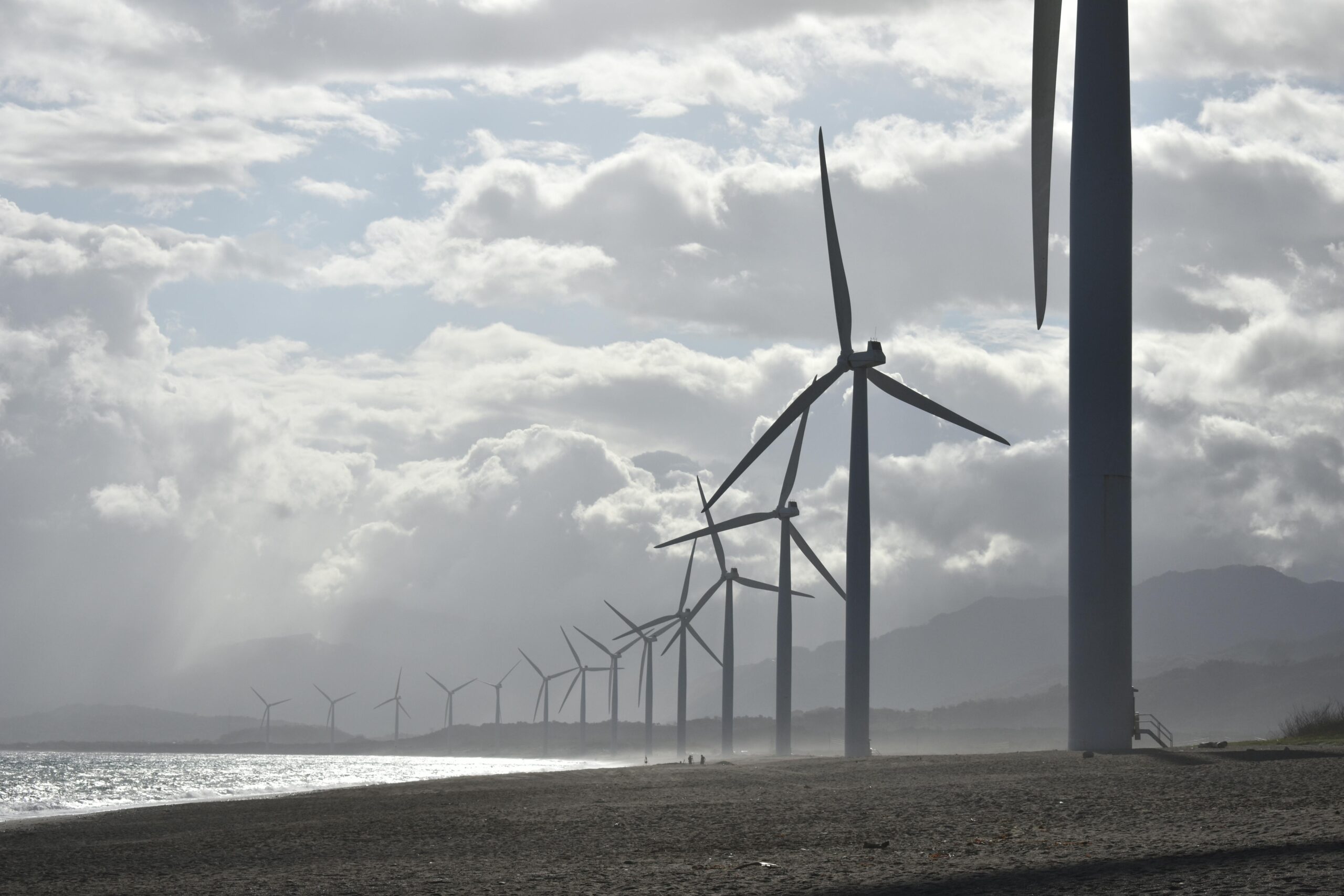
Wind turbine blades, made of fibreglass and resin composites, are hard to recycle; Siemens Gamesa and Vestas are leading new technological solutions.
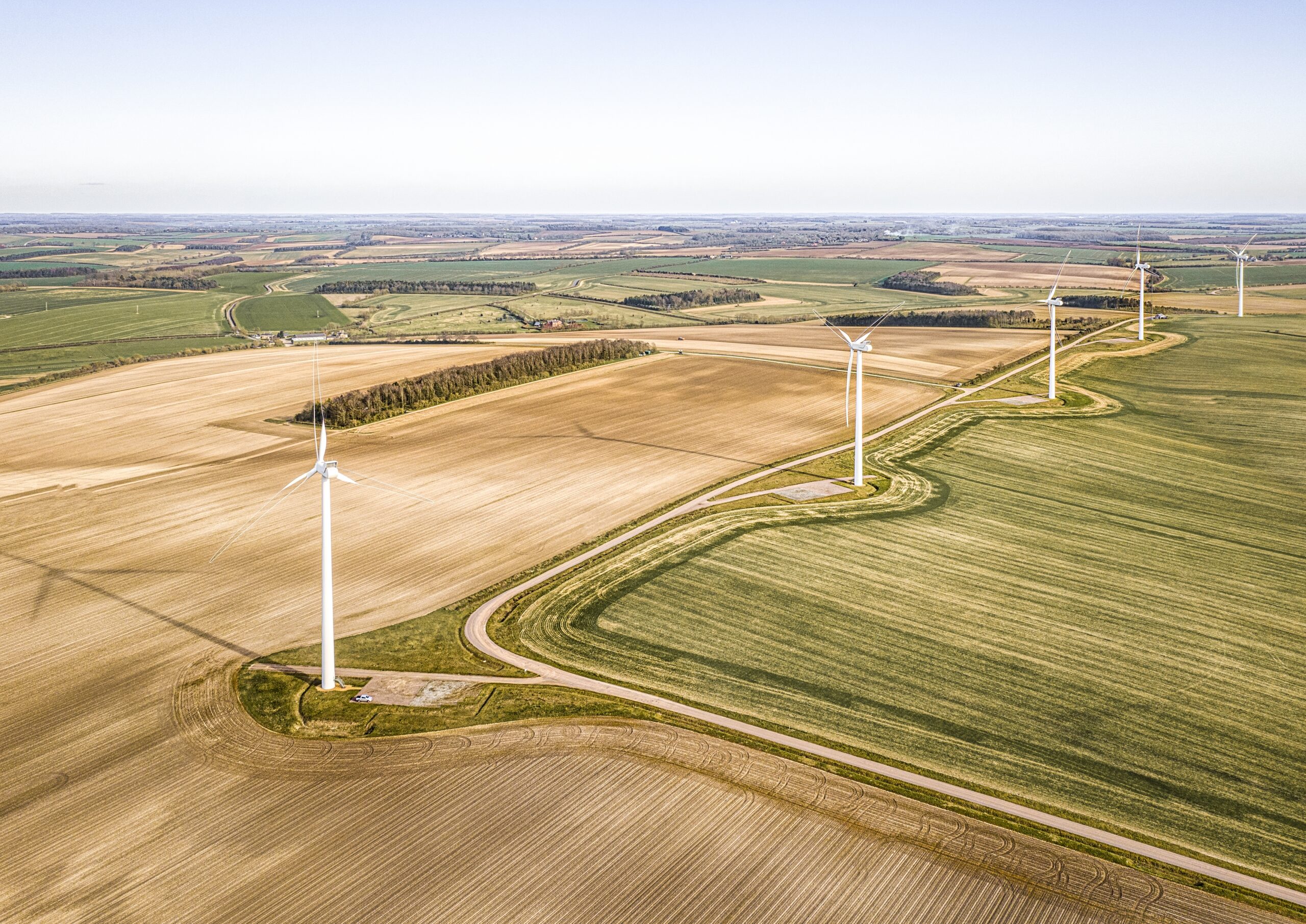
In which exceptional cases the National Agricultural Reserve (RAN) allows non-agricultural uses, and the legislation and procedures that regulate such requests in Portugal.

The RAN protects Portugal's most suitable agricultural land, restricting its use under specific legislation.

IGAMAOT launched iFAMA, a single inspection and enforcement platform that centralises reports and coordinates the bodies responsible for agriculture, the sea and the environment in Portugal.
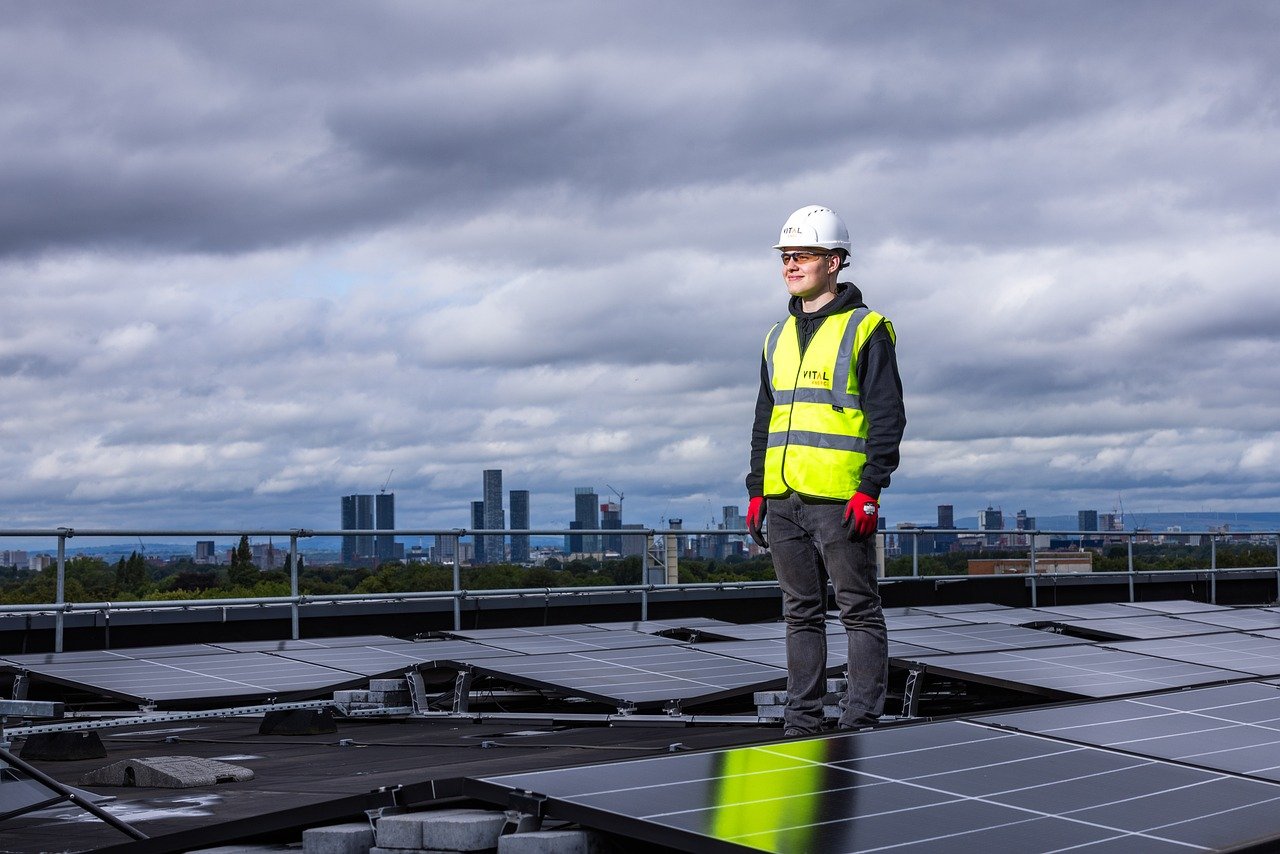
As solar panels reach the end of their 25-30 year lifespan, the EU's WEEE Directive regulates collection and recycling of materials like silicon, glass and silver.
Directive (EU) 2023/2413 (RED III), in force since 20 November 2023, raises the EU's renewable energy target to at least 40% of gross final consumption by 2030, with direct impact on permitting simplification and renewable growth in Portugal.
In June 2024, the EU Council formally approved the Nature Restoration Law, requiring Member States to restore at least 30% of degraded habitats by 2030, 60% by 2040 and 90% by 2050.

The Portuguese Environment Agency and ICNF issued a joint order, dated 15 July 2024, clarifying the concept of "deforestation" for environmental impact assessment purposes.

How the environmental impact assessment (AIA) screening request works and why it is a decisive step for developers.
An overview of the REN regime, interventions subject to prior communication and the procedure’s main stages.
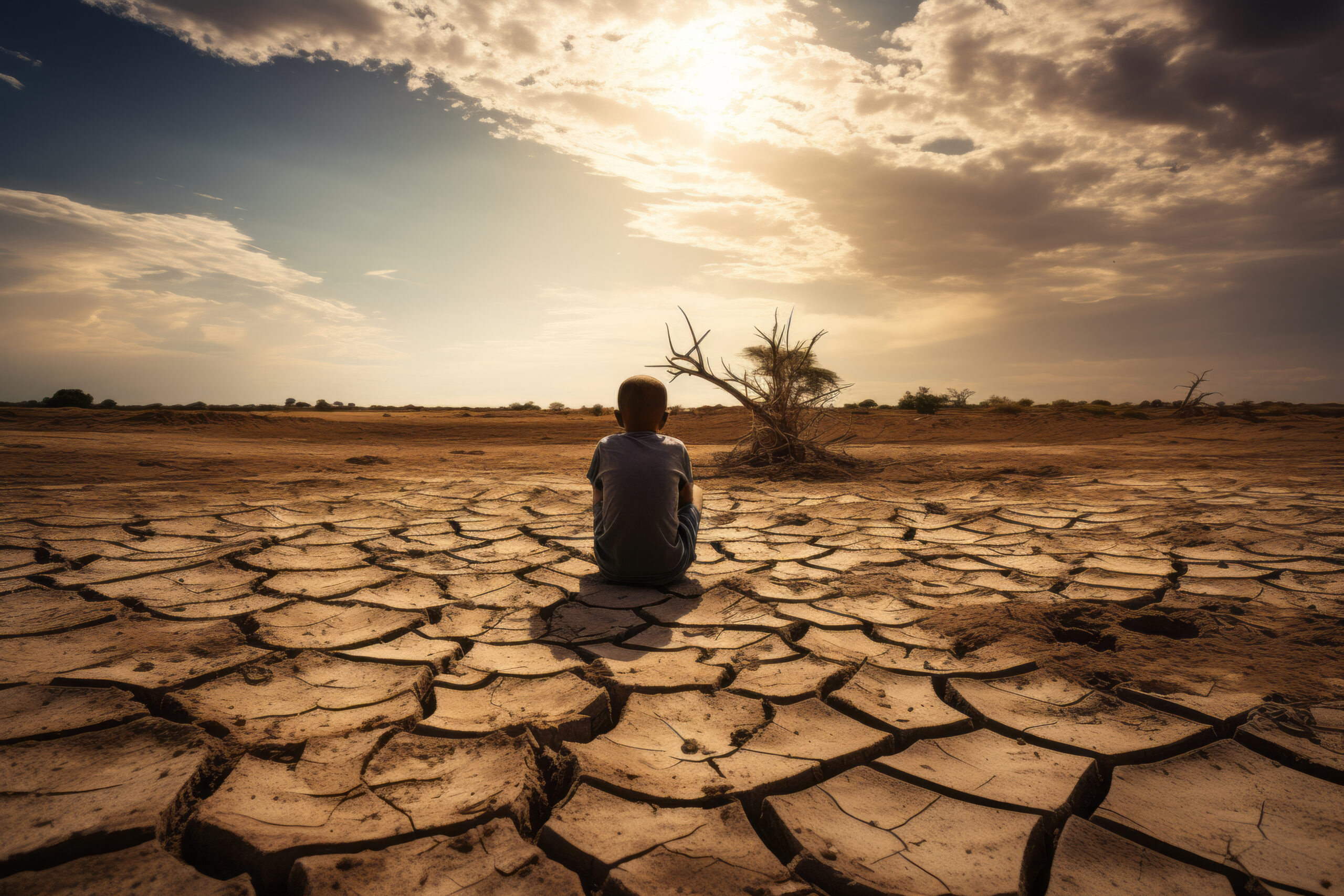
World Day to Combat Desertification and Drought, marked on 17 June, commemorates the UN Convention to Combat Desertification (UNCCD), adopted in 1994.
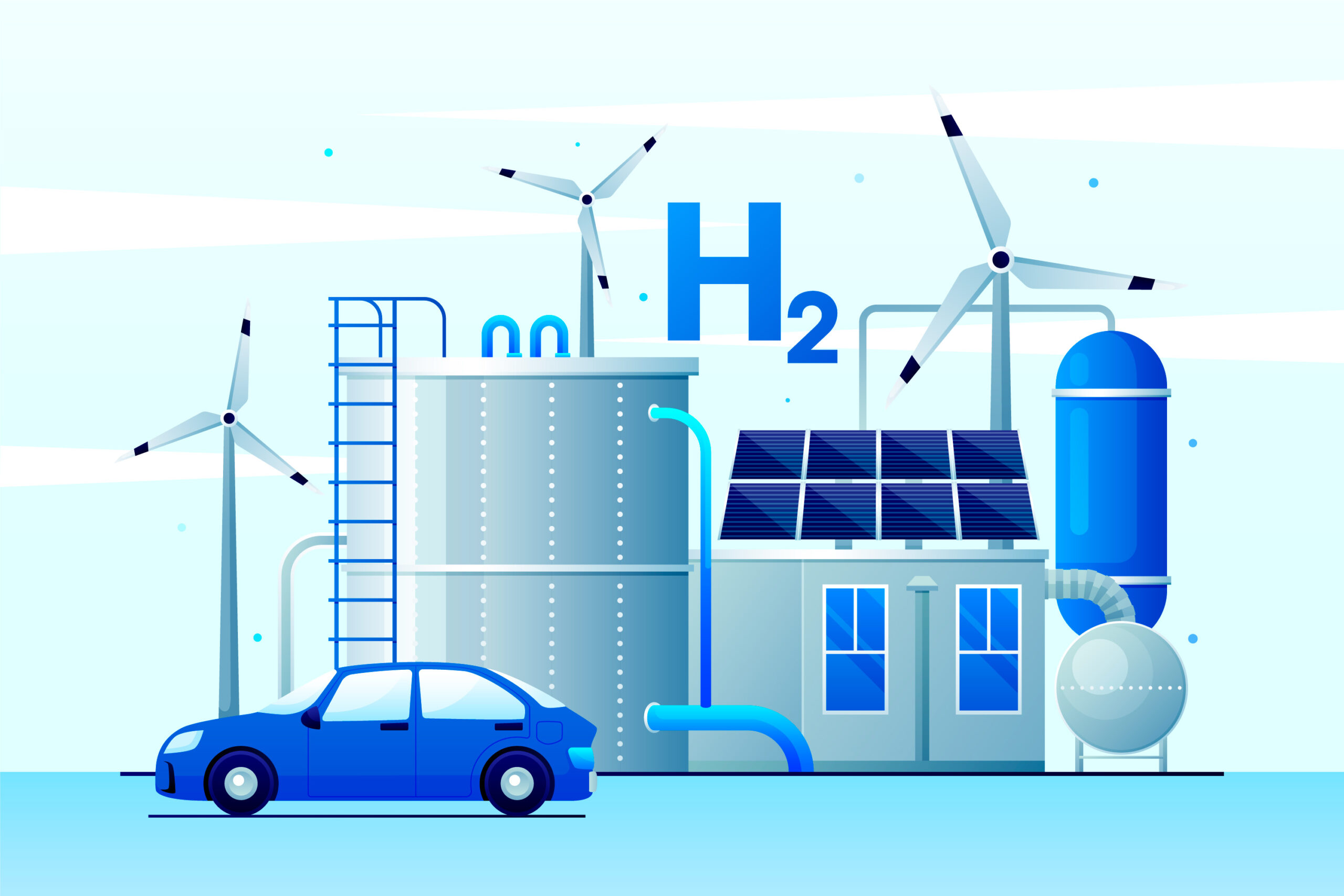
The European Commission approved €140 million in state aid for the Portuguese centralised purchase auction of renewable hydrogen and biomethane, launched in May 2024 with ERSE approval.
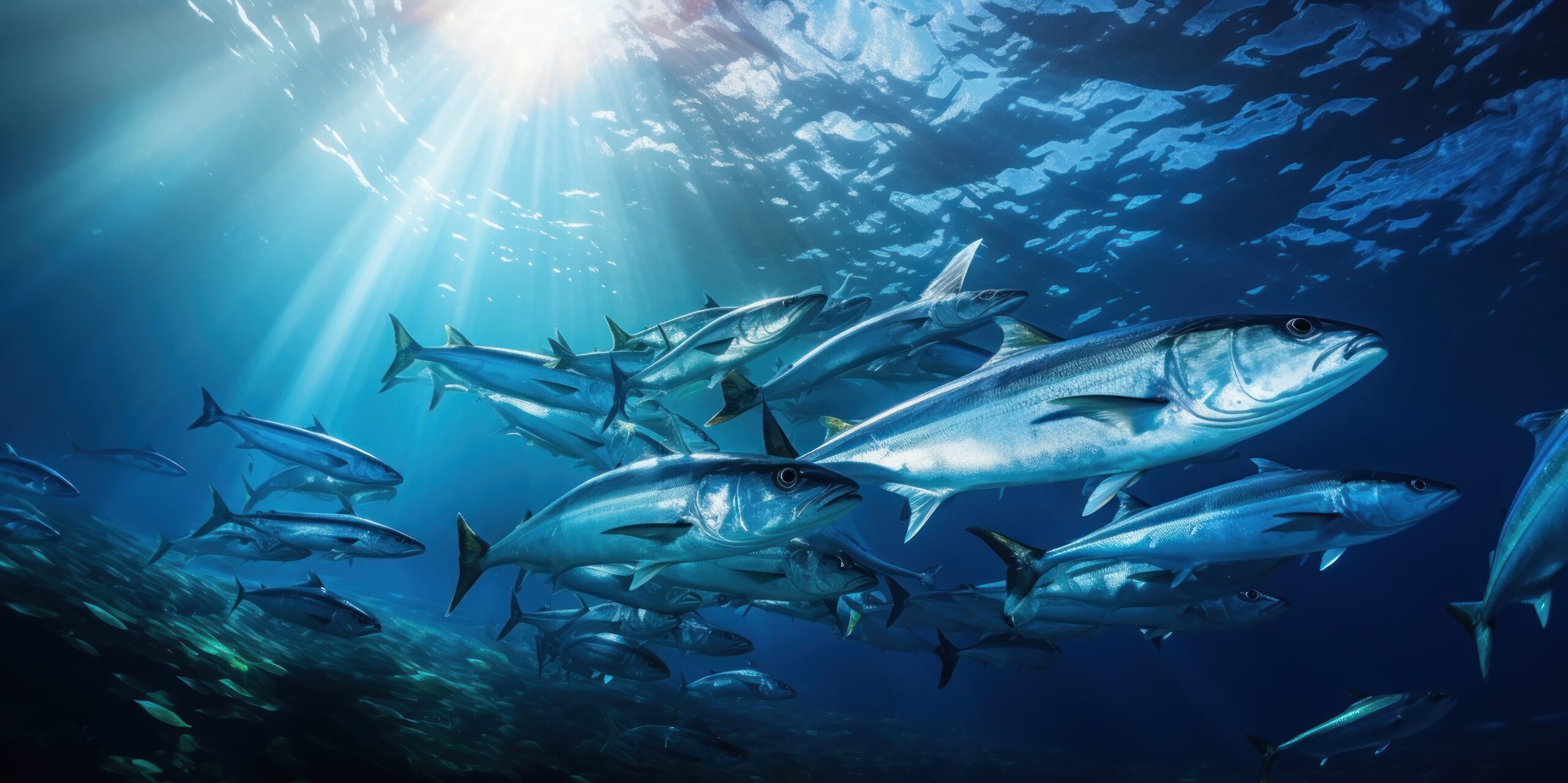
The oceans cover about 71% of the Earth's surface and produce roughly half of the oxygen we breathe. World Oceans Day, on June 8, was recognized by the UN in 2008, with the 2024 theme catalyzing action for our ocean and climate.

June 5 marks World Environment Day, established by the UN in 1972 at the Stockholm Conference. The 2024 theme, hosted by Saudi Arabia, focuses on land restoration and resilience to drought and desertification.
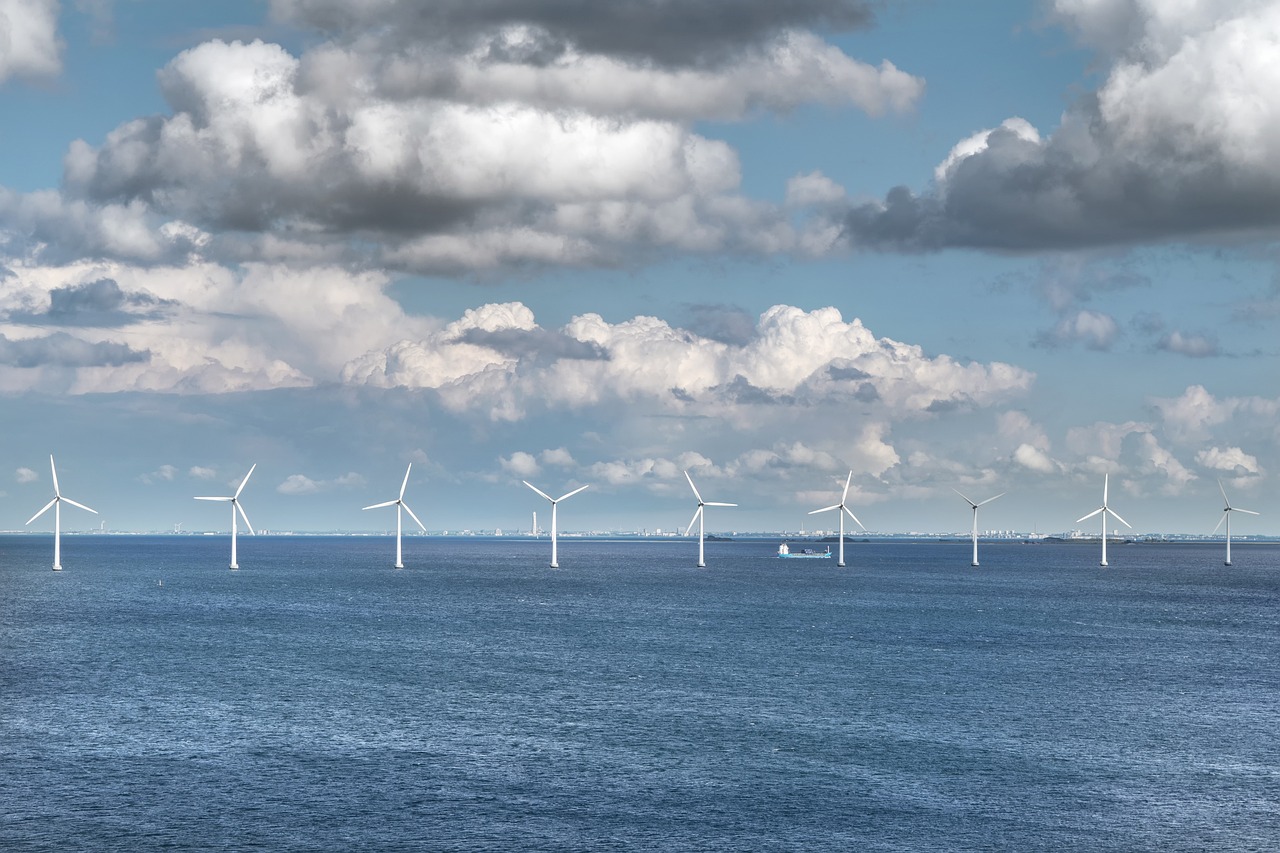
EDP's WindFloat installed off Viana do Castelo the first floating wind turbine connected to the grid in deep water, in 2011. Portugal's first offshore wind auction, initially expected by the end of 2023, had an estimated kick-off of June 2024.

What Portugal's National Network of Protected Areas is, which categories it covers, and the legislation that governs it.
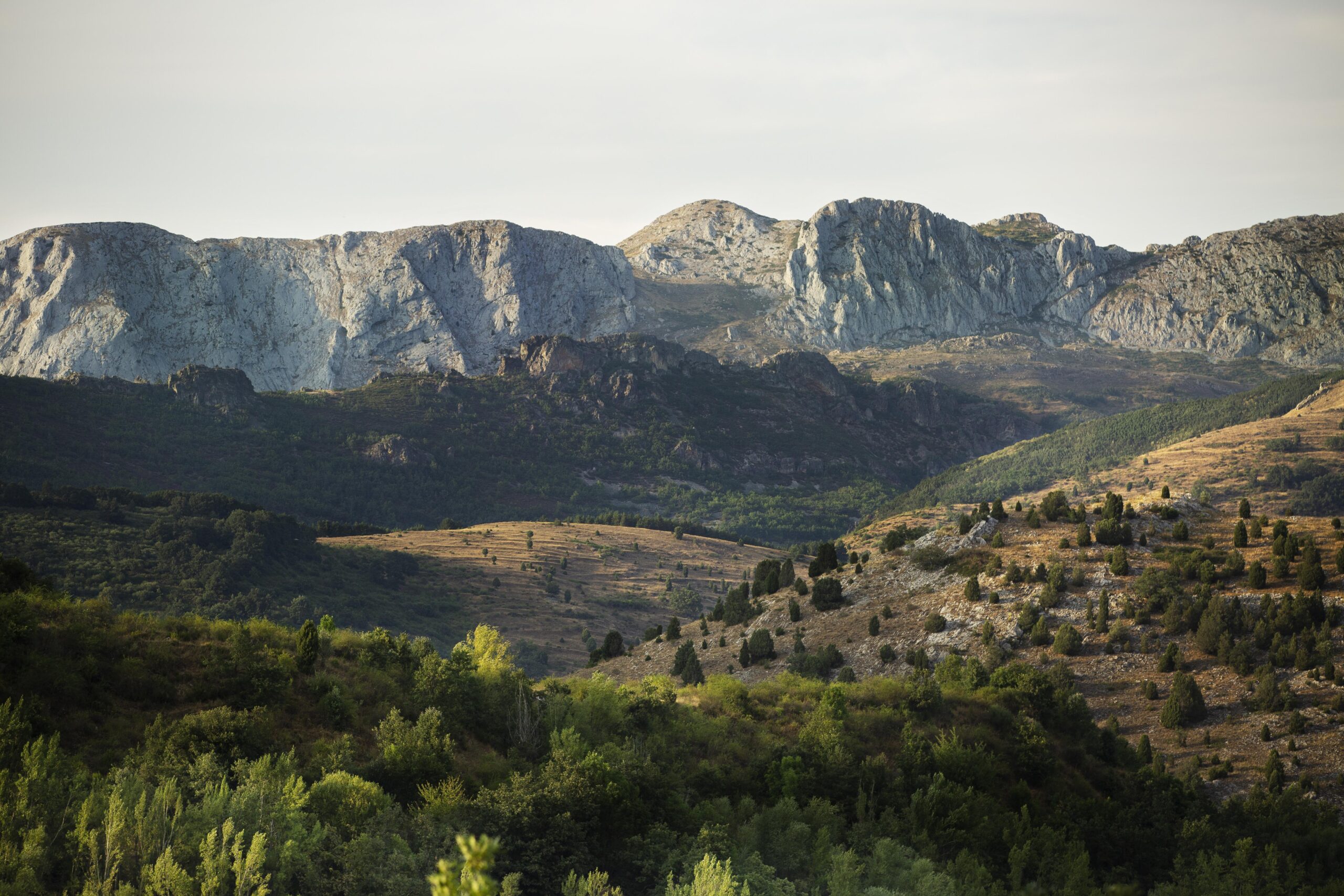
The National Agricultural Reserve (RAN) and the National Ecological Reserve (REN) are two key legal instruments protecting, respectively, agricultural land and environmentally sensitive areas in Portugal.
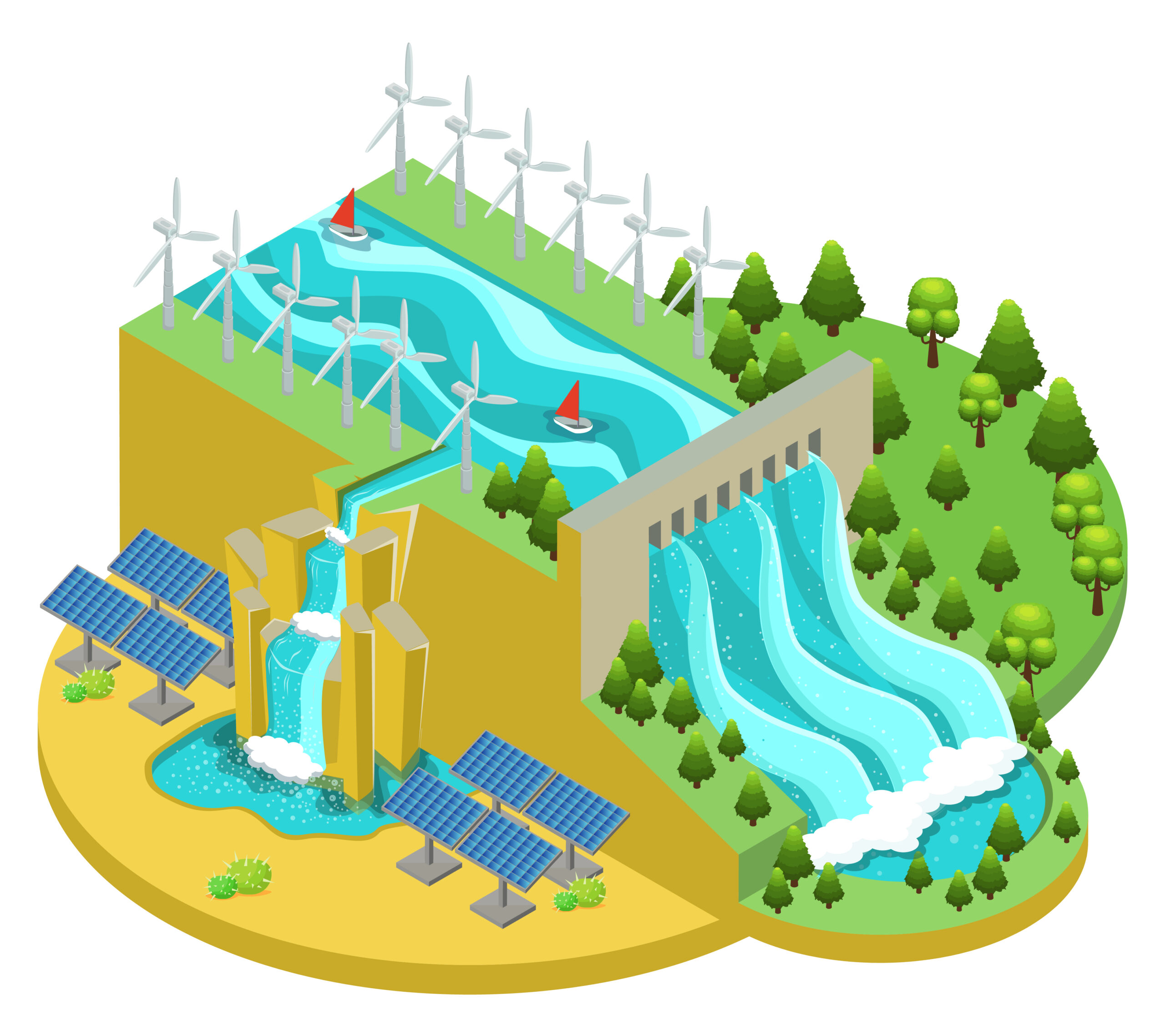
Solar, wind, hydro and geothermal stand out as the least polluting renewable sources, with wind generally regarded as the most efficient.

Wind, solar PV, hydro and biomass lead Portugal's renewable electricity mix, according to APREN data.

Hydropower leads global renewable capacity, followed by wind and solar, with China as the top producer across several technologies.
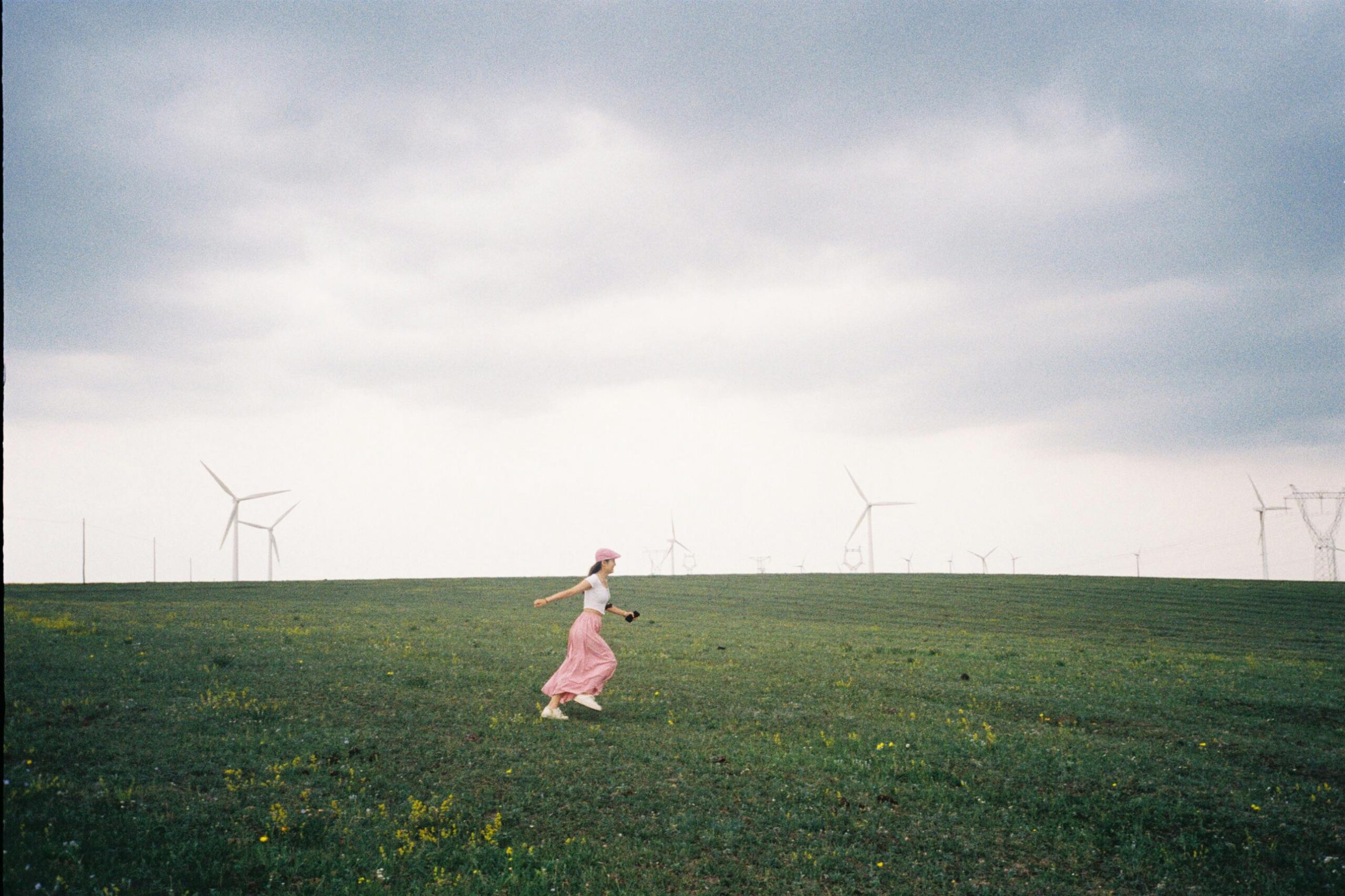
A guide to the main renewable energy sources — solar, wind, geothermal, hydro, ocean and biomass — and how they differ from fossil fuels.
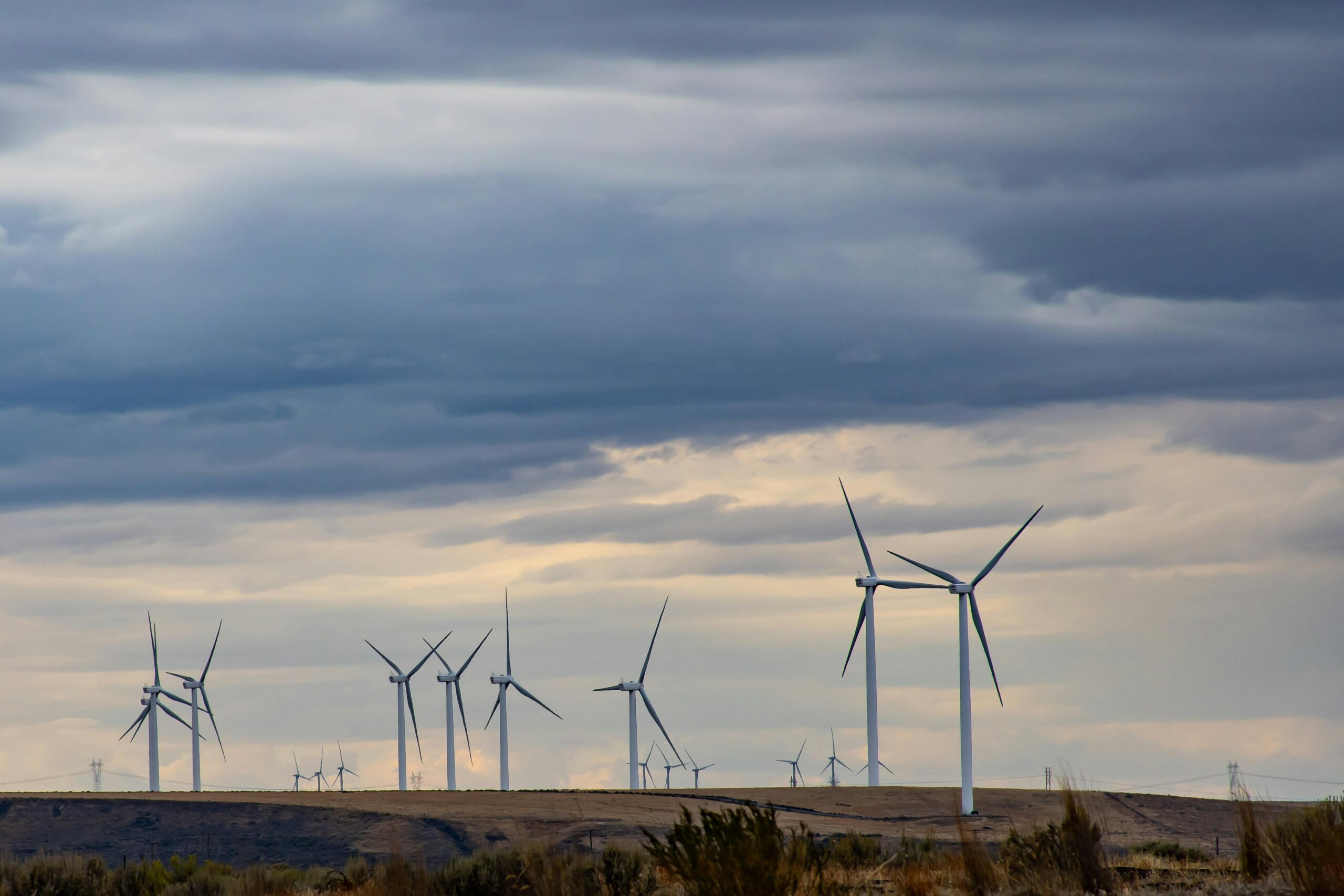
Decree-Law 15/2022 allows up to a 20% increase in injection capacity for reequipment projects, with distinct EIA-triggering rules for solar and wind.

APREN and INEGI have relaunched the e2p – Energias Endógenas de Portugal portal, gathering data on every renewable power plant in the country.

The "environmental simplex" eliminates redundant licences and procedures, simplifies AIA deadlines, and creates the Single Environmental Report.

Decree-Law No. 11/2023 reduces the cases requiring case-by-case analysis under Environmental Impact Assessment.

APREN, together with APA and DGEG, launched a guide consolidating the licensing procedures for onshore renewable projects in Portugal, initially focused on wind and solar.

Decree-Law No. 11/2023 eliminates redundant administrative procedures after a favourable Environmental Impact Decision.
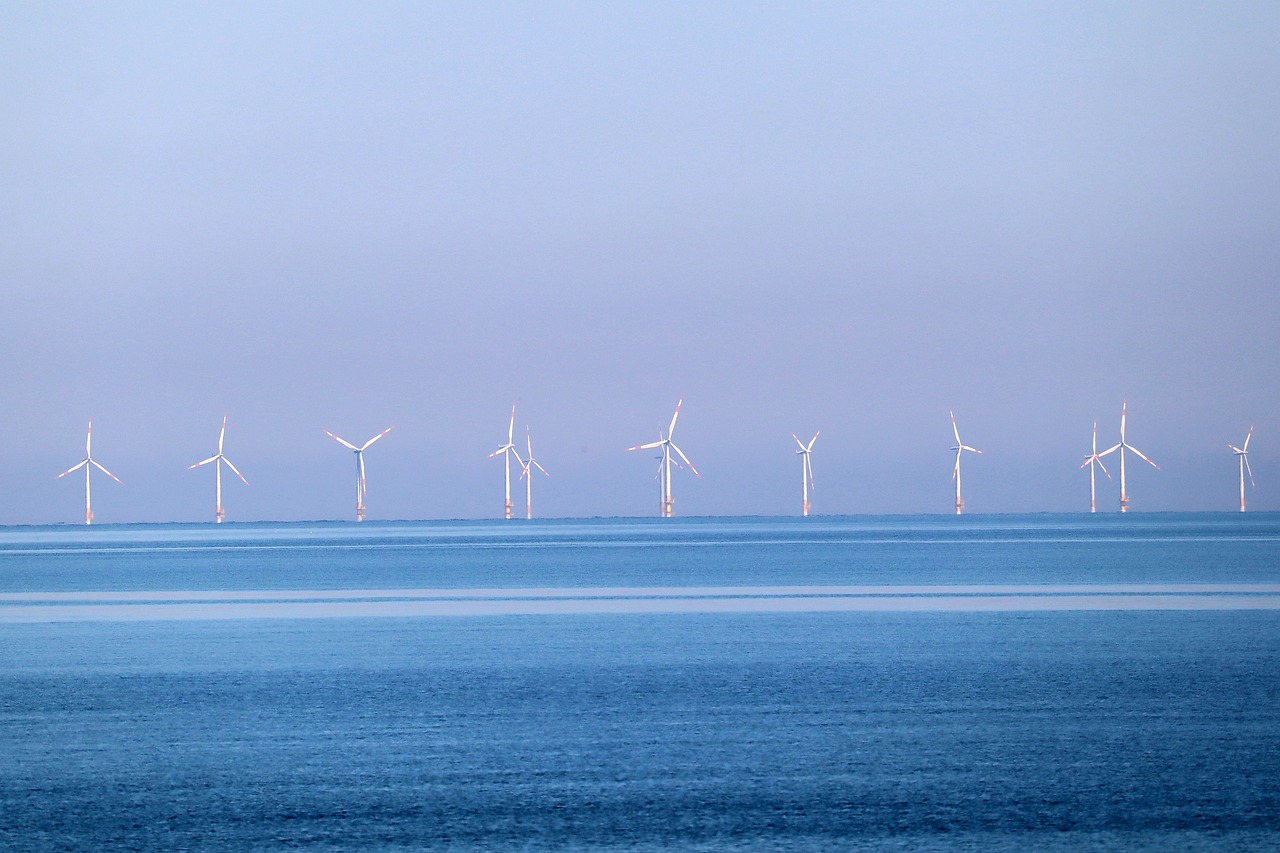
The updated Plan for the Allocation of Offshore Renewable Energy Exploration (PAER) was open for public consultation until December 2023 and identifies areas with potential for 10 GW.
Showing 7 of 121