What Is a BESS System? How Energy Storage Is Revolutionizing Renewables
BESS systems store surplus solar and wind energy to release it back to the grid when needed, becoming central to grid stability and power-sector decarbonisation.
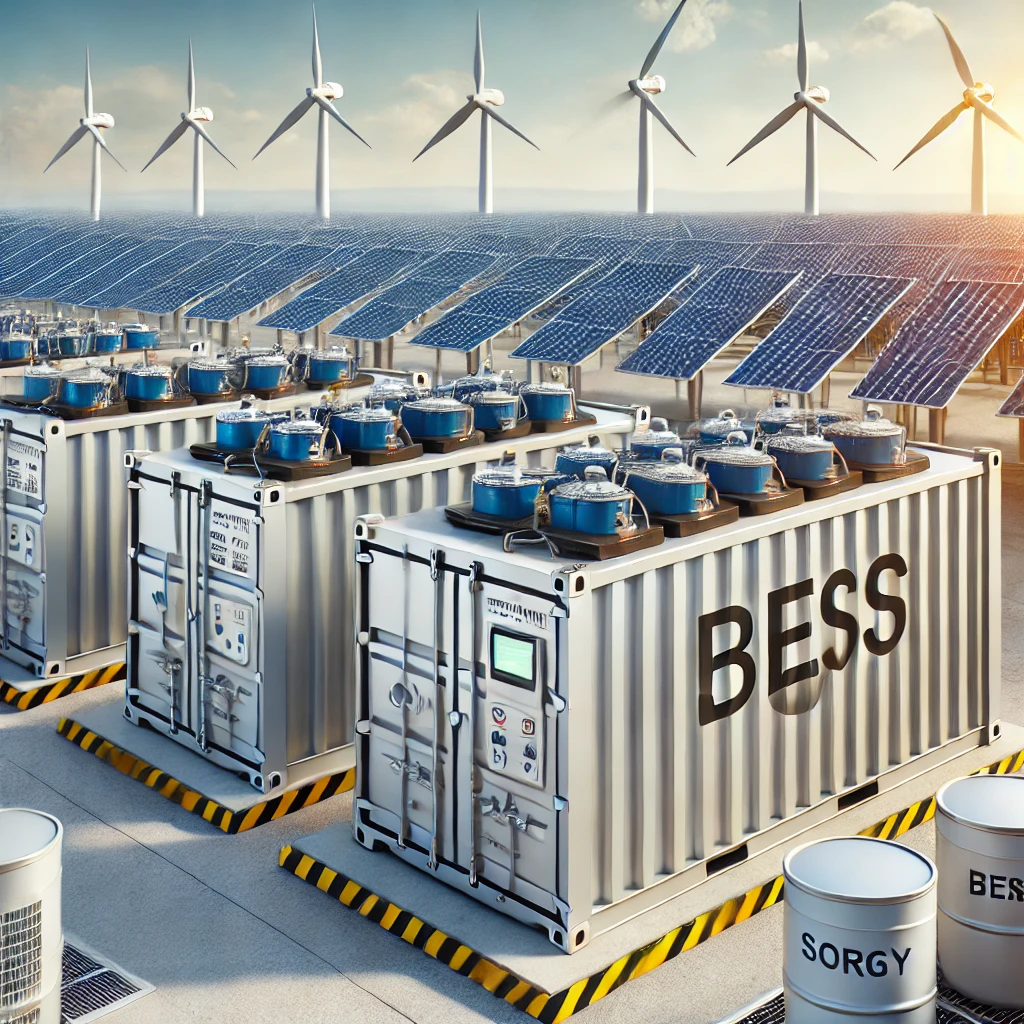
The renewable energy sector has been driven by technological innovations that ensure greater efficiency and sustainability. One of them is the BESS – Battery Energy Storage System –, which stores surplus electricity for later use, gaining prominence in Portugal and across Europe.
How it works
The system is made up of batteries that store energy chemically and convert it back into electricity when needed, offsetting the intermittency of solar and wind sources. Lithium-ion batteries are the most widely used technology, thanks to their high energy density and long service life, while flow batteries are also being explored for large-scale applications.
- Reduces wasted surplus energy and the need to fall back on fossil sources during periods of low output.
- Acts as a grid buffer, smoothing voltage and frequency fluctuations caused by renewable variability.
- Still faces challenges such as high upfront investment and end-of-life battery management (recycling and safe disposal).