LNEG Report: Offshore Wind, Hydrogen and Power-to-X in Portugal
The LNEG report maps a route for Portugal to become a European clean-energy hub through offshore wind and Power-to-X pathways.
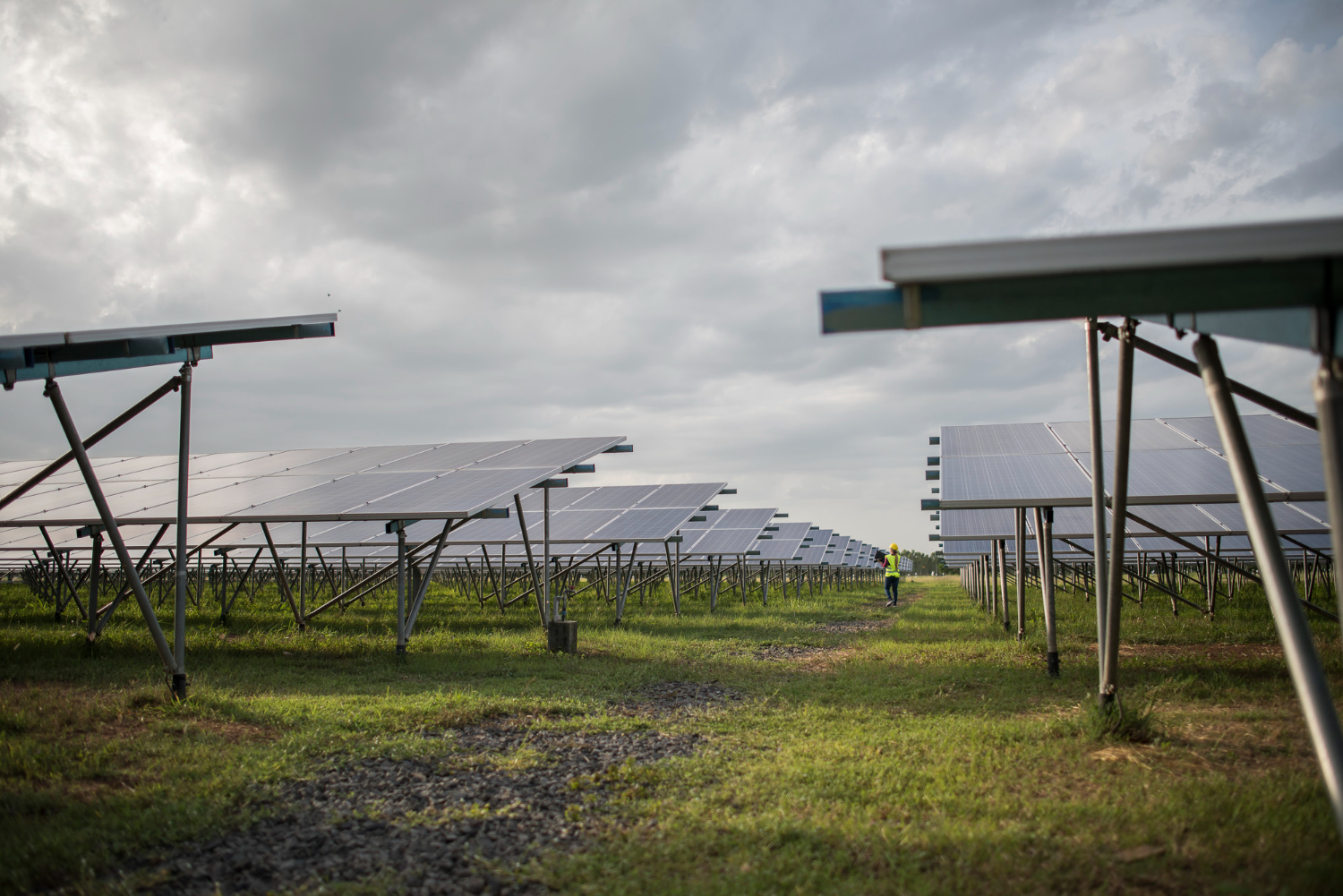
The LNEG (National Laboratory of Energy and Geology) technical report, "Portugal Offshore Wind, Green Hydrogen and Sustainable Fuels: Power-to-X Pathways", maps a route for Portugal to become a European clean-energy hub. The document notes that offshore wind, stronger and more constant than solar or onshore wind, delivers a high capacity factor that lets electrolysers run continuously, making green hydrogen production more stable and reducing the need for large storage infrastructure.
Competitive Edge: EEZ and Energy Cost
Portugal holds one of Europe's largest Exclusive Economic Zones (EEZ), and its abundant high-quality offshore wind resource can lower the Levelised Cost of Energy (LCOE), making maritime-sourced electricity more competitive. The depth of the Portuguese coast, which rules out fixed foundations, has pushed the country to the forefront of floating wind technology, creating an export cluster of engineering and technical know-how.
- Power-to-H2: green hydrogen for direct industrial use, such as green steel or fertilisers
- Power-to-Liquid: combining hydrogen with captured CO2 to produce e-methanol or synthetic kerosene, vital for global logistics
- Power-to-Gas (SNG): synthetic methane injected directly into the existing natural gas grid