Cork Oaks and Holm Oaks: Some Interesting Facts
Cork oaks and holm oaks form the montado, legally protected in Portugal and recognised by UNESCO as a globally important agroforestry system.
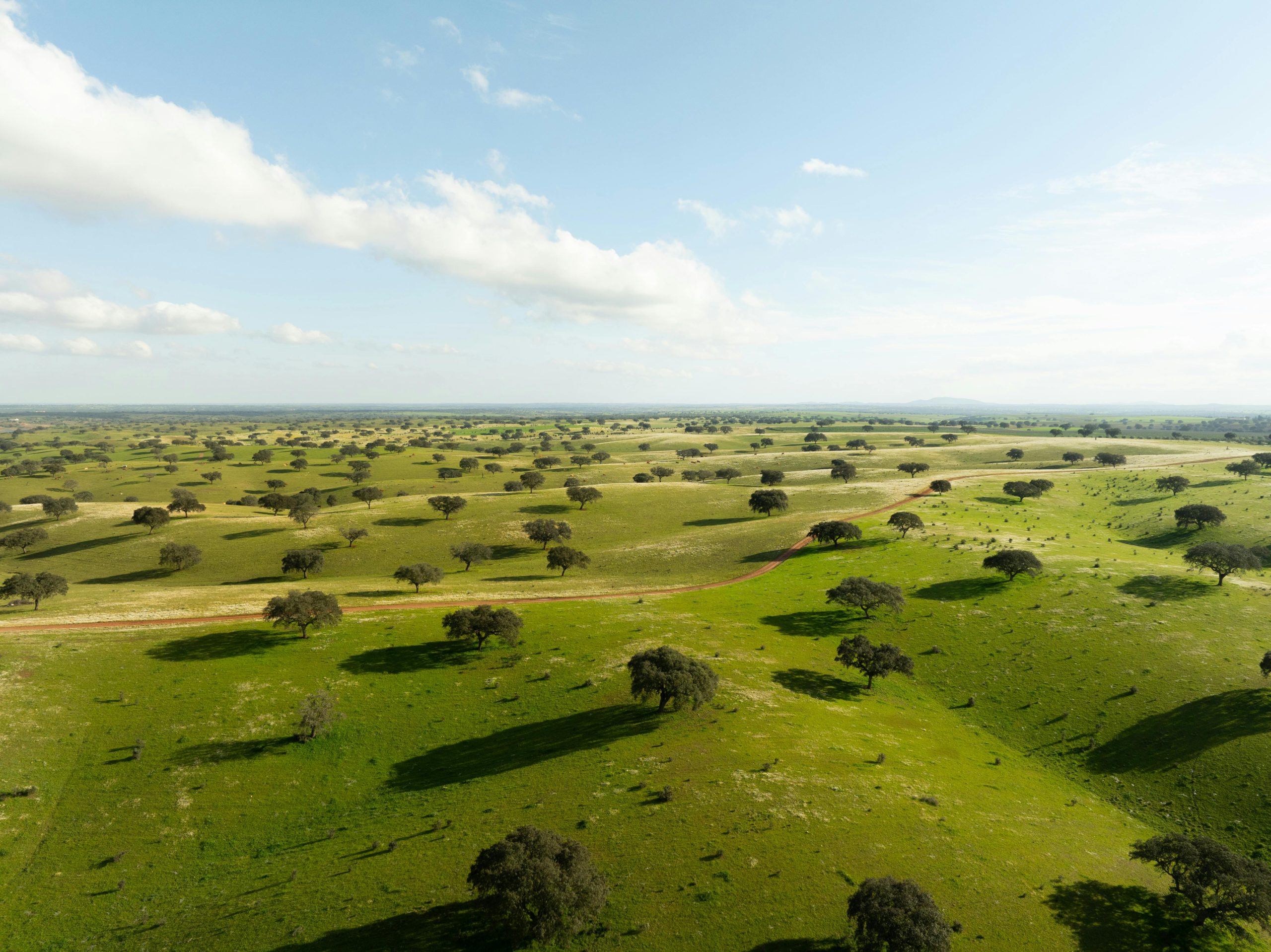
Cork oaks (Quercus suber) and holm oaks (Quercus ilex) are two emblematic trees of the Iberian Peninsula. The cork oak is the only tree that produces cork in commercial quantities, harvested every nine years, and can live between 150 and 300 years; Portugal accounts for about 50% of world cork production. The holm oak, adapted to poor, dry soils, produces acorns that feed wildlife and Iberian pigs, is predominant in the Alentejo, and can live 500 years or more.
Protective Legislation
- Decree-Law No. 169/2001 (amended by Decree-Law No. 155/2004): classifies both species as protected and bans felling without ICNF authorisation, under penalty of heavy fines
- Law No. 33/96: designates cork and holm oaks as national heritage, with strict cutting restrictions even in urban areas
- Felling is only permitted for essential infrastructure, major public-interest projects, or diseased/dead trees, requiring compensatory reforestation
- Cork stripping is only allowed in specific periods and on trees at least 25 years old
Together, these trees form the montado, an agroforestry system recognised by UNESCO as globally important, supported by the EU Common Agricultural Policy and protected under Natura 2000, helping to combat desertification and capture carbon.