Renewable Hydrogen: Global Demand Rises, But Are Targets at Risk?
Analysis of the IEA's Global Hydrogen Review 2025: global hydrogen demand approached 100 million tonnes in 2024, but growth remains concentrated in traditional uses, with low-emission hydrogen still marginal.
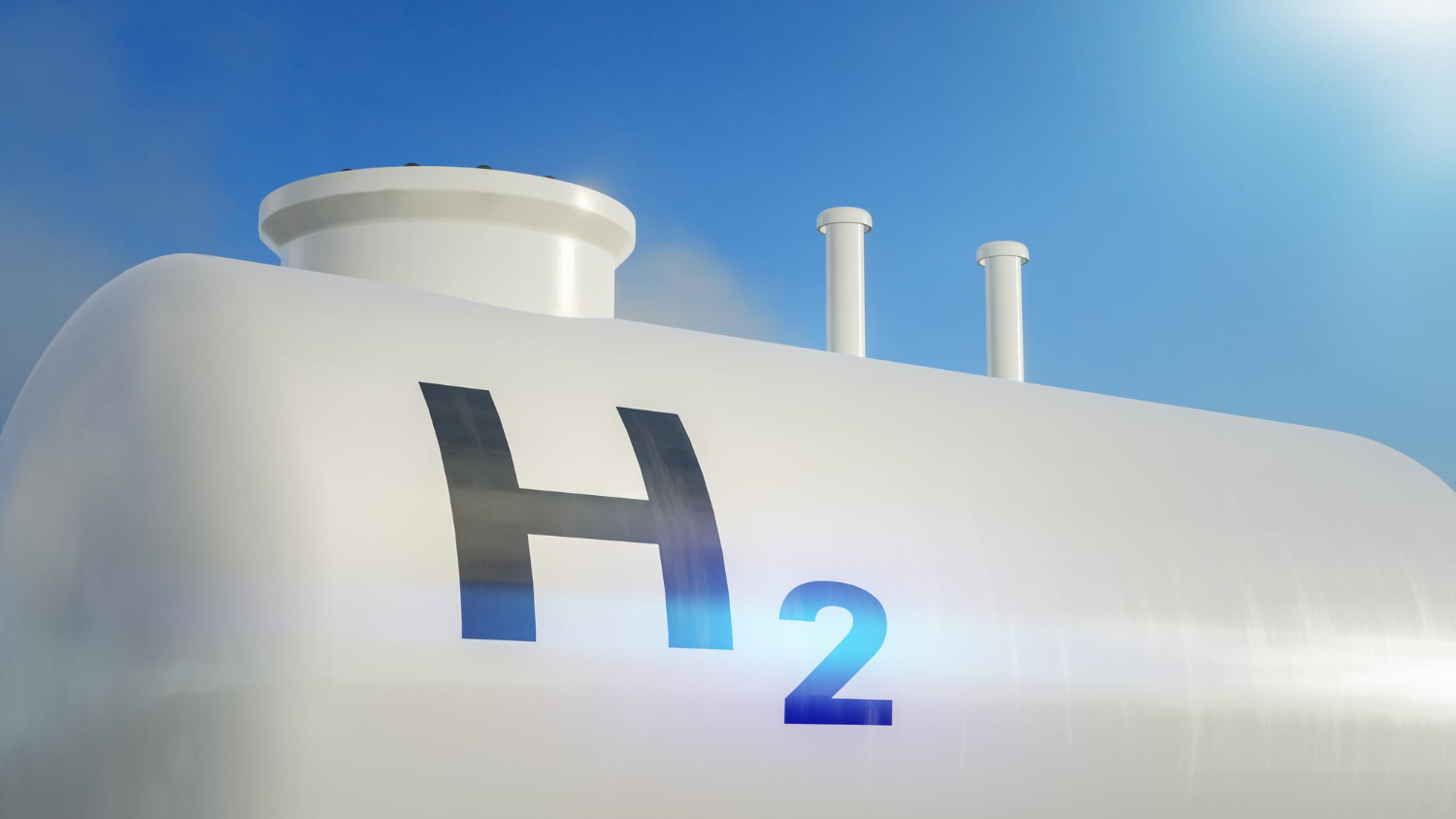
The International Energy Agency (IEA) released its Global Hydrogen Review 2025. In 2024, global hydrogen demand reached almost 100 million tonnes, growth driven almost entirely by consumption in traditional sectors, such as oil refining and the chemical industry, where hydrogen has been used as a feedstock for decades. Despite this, low-emission hydrogen production grew 10%, though it still accounts for less than 1% of total production.
Why Is the Pace of Transition Slow?
The report points to three factors behind the delay: the high production costs of green hydrogen (electrolysis) and blue hydrogen (with carbon capture and storage); uncertainty over future demand from sectors such as heavy industry and shipping; and delays in permitting, financing and building transport infrastructure. Even so, the IEA forecasts that low-emission production will grow around five-fold by 2030, rising from under 1% to roughly 4% of total production.
- China leads the world in installed electrolysis capacity and electrolyser production.
- Europe, India, Japan and South Korea stand out for implementing policies to stimulate demand.
- Shipping is identified as one of the sectors with the greatest potential for adopting hydrogen-based fuels.
- In February 2025, Portugal concluded its first two-way CfD auction for renewable hydrogen: eight projects, 120 GWh/year, a €140 million budget and 10-year contracts.