World Oceans Day
The oceans cover about 71% of the Earth's surface and produce roughly half of the oxygen we breathe. World Oceans Day, on June 8, was recognized by the UN in 2008, with the 2024 theme catalyzing action for our ocean and climate.
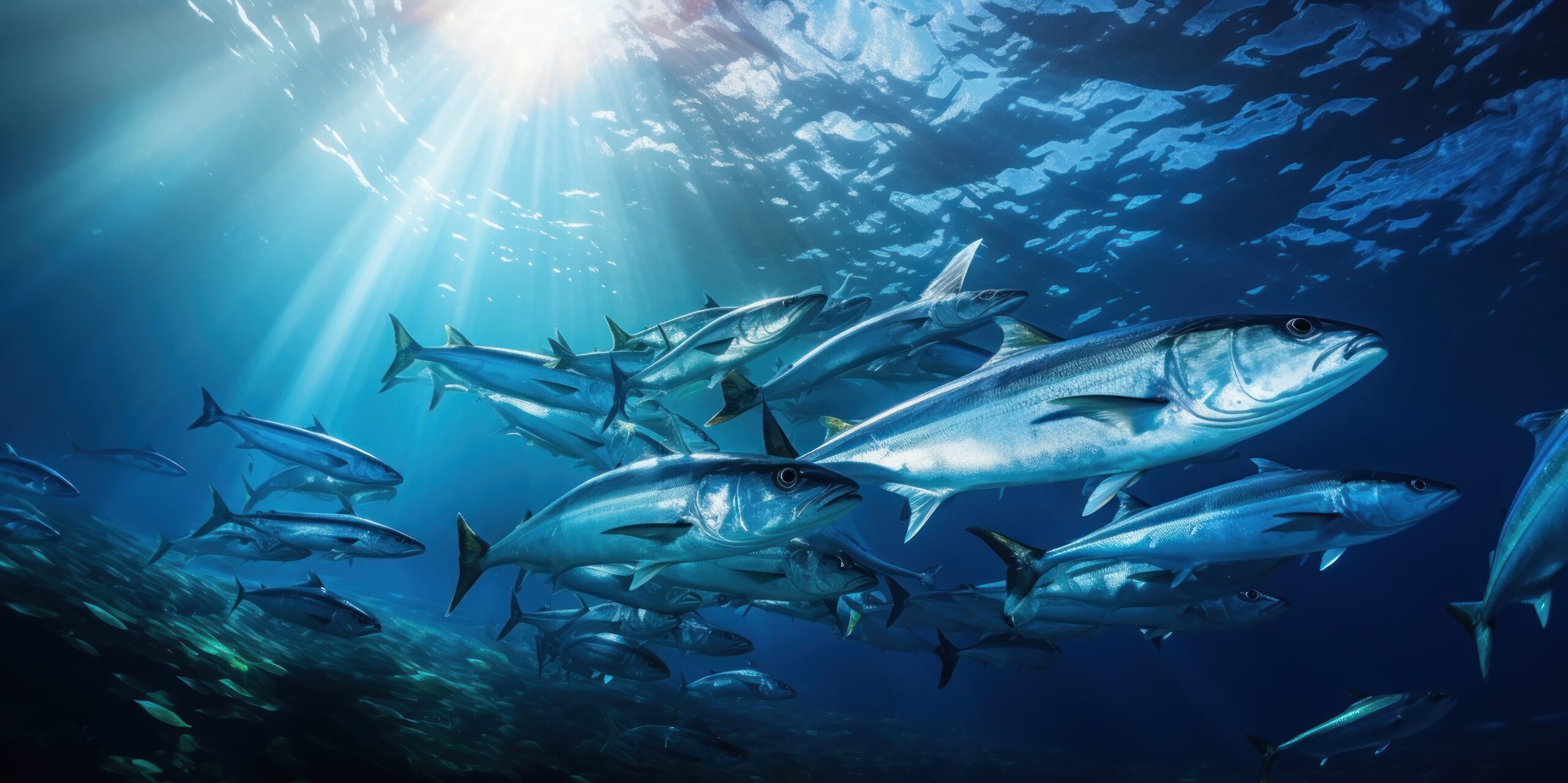
The oceans are vast bodies of salt water covering about 71% of the Earth's surface (roughly 362 million km²), with an average depth of about 3,688 metres and the deepest point at the Mariana Trench, around 11,034 metres. They regulate climate by absorbing carbon dioxide and distributing heat via ocean currents, and marine phytoplankton produce about 50% of the oxygen we breathe. Around 90% of global trade is transported by sea.
Threats and origin of the observance
The oceans face marine pollution (plastics, oil spills, chemicals), overfishing, climate change (warming, acidification, sea-level rise) and biodiversity loss. World Oceans Day, marked on June 8, was officially recognized by the UN in 2008 (Resolution 63/111), though the idea was first proposed in 1992 at the Rio Earth Summit.
- Beach and coastline clean-up campaigns
- Educational events on marine life
- Art and photography exhibitions and festivals
- Diving and marine observation programmes
- Petitions and movements for conservation policy