Do Biomethane Projects Need an Environmental Impact Study?
RJAIA and DL 11/2023 criteria determine whether a biomethane unit is subject to Environmental Impact Assessment, with practical examples and common developer mistakes.
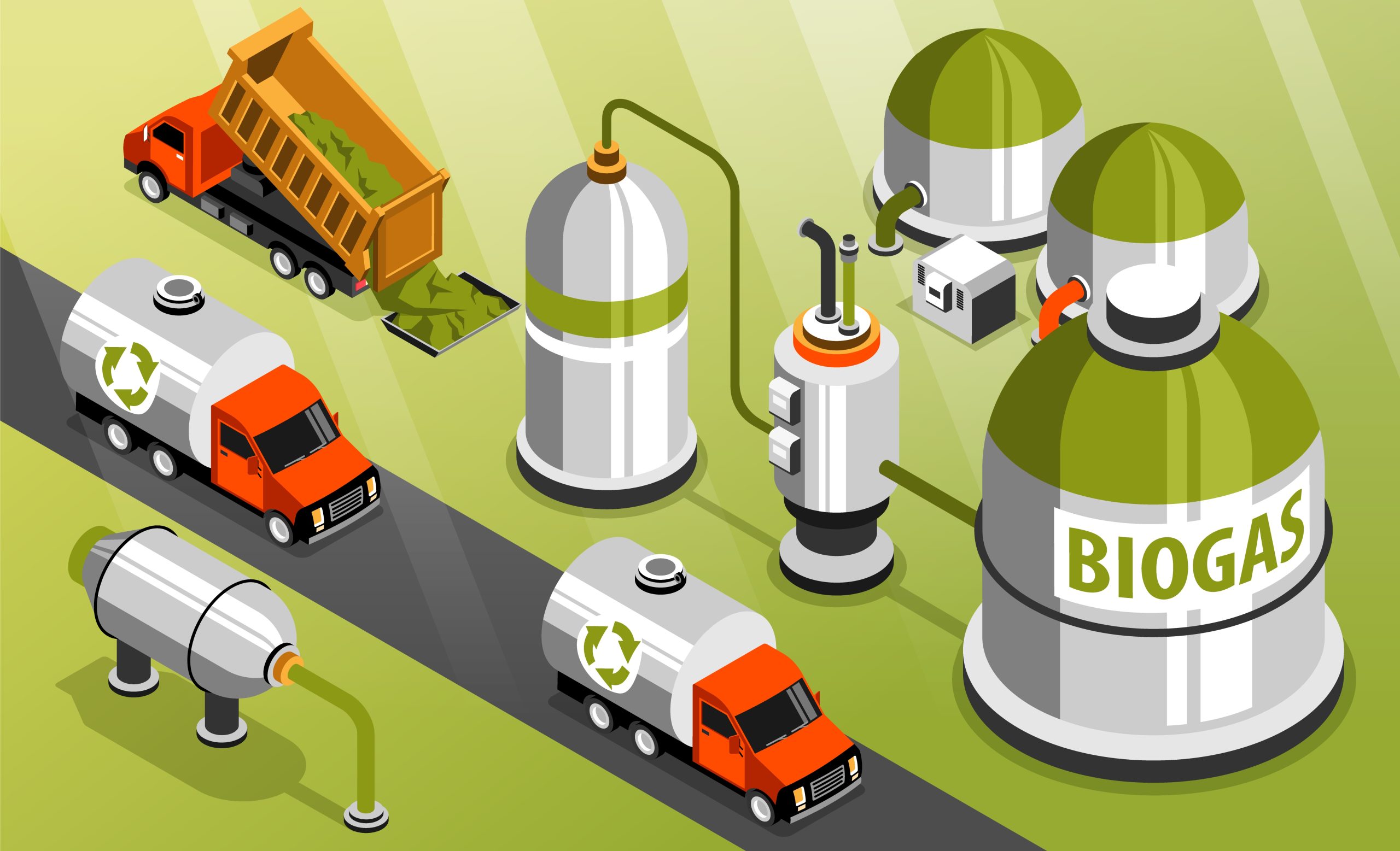
The legal framework for Environmental Impact Assessment (RJAIA), consolidated in Decree-Law 151-B/2013, defines which projects require assessment: Annex I projects automatically, Annex II projects case-by-case. Biomethane production via anaerobic digestion may fall under Annex II when treatment capacity exceeds certain thresholds or is located in sensitive areas. In 2023, Decree-Law 11/2023 simplified procedures and clarified exemptions.
Criteria and trigger factors
DL 11/2023 allows an AIA waiver for projects in industrial parks under 1 hectare and more than 500 m from residential zones; projects in Natura 2000 sites, ecological reserves, or involving hazardous waste still require assessment. Other trigger factors include installation size, location within national ecological or agricultural reserves, emissions and cumulative effects, and the type of waste treated.
- Common mistake: requesting an AIA waiver without a prior study, risking rejection
- Common mistake: ignoring cumulative effects of several small projects in the same area
- Common mistake: disregarding CCDR opinions or public consultation requirements
- Best practice: conduct environmental screening and consult APA/CCDR before formal submission