Repowering Wind Farms in Portugal
Repowering replaces old turbines with more efficient technology, increasing output without occupying new land.
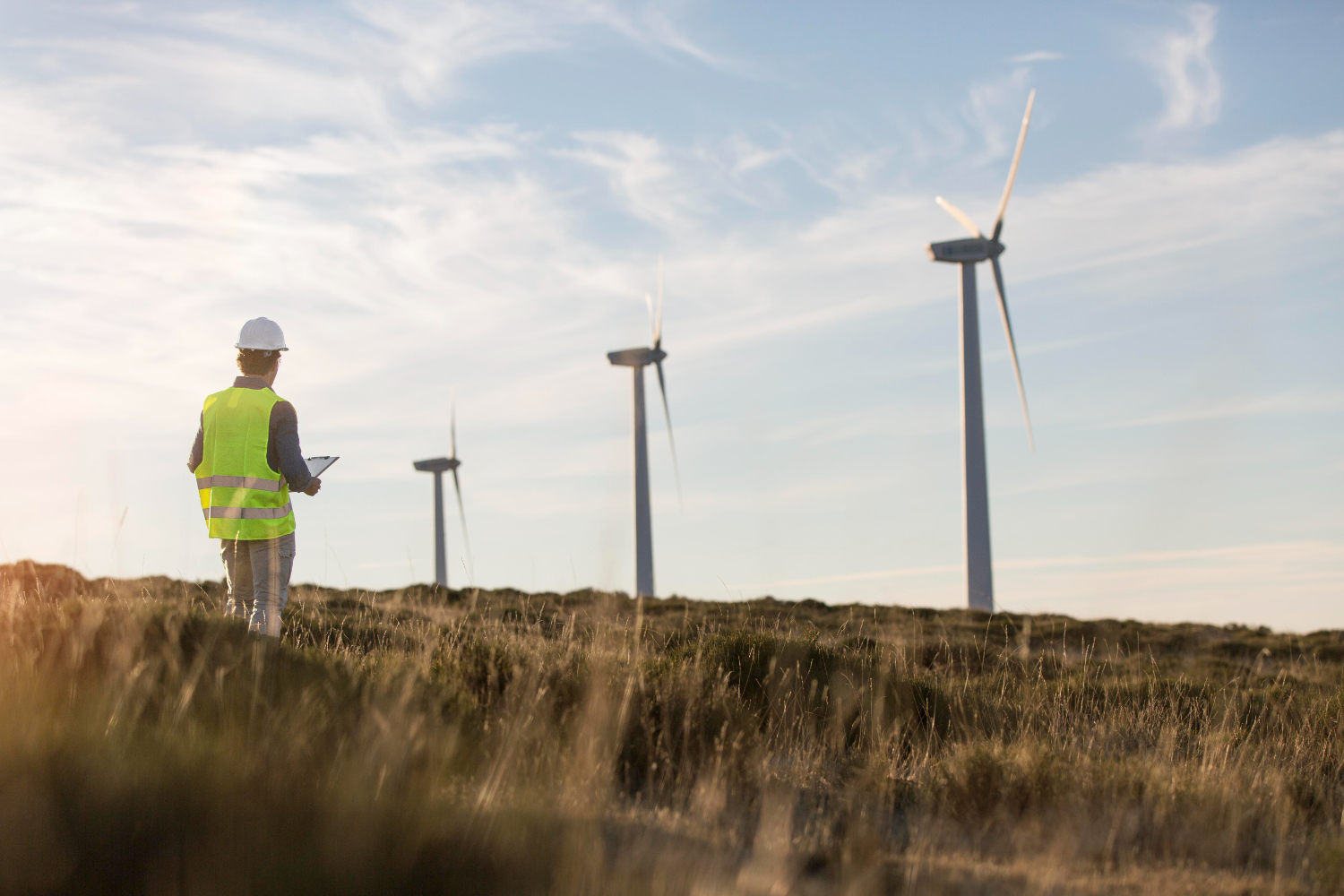
Repowering wind farms means replacing old turbines with more efficient technology, and it is essential to meeting the 2030 and 2050 decarbonisation targets. According to the National Energy and Climate Plan (PNEC), Portugal aims to reach 10,400 MW of installed wind capacity by 2030, up from the current 5,896 MW, and INEGI notes that repowering and overequipping projects will be crucial to hitting this goal without stagnation.
Technological Modernisation and Capacity Gains
Replacing 1 MW turbines with 3-5 MW models can triple installed capacity on the same site, generating more electricity with fewer units. This lowers maintenance costs and makes use of existing infrastructure — grid connections, foundations and access roads — avoiding new investment from scratch. Portugal has one of Europe's oldest wind fleets, with many assets over 15 years old, and the north of the country, with its steady winds, is one of the prime candidates for repowering.
- Licensing: less bureaucratic than a new wind farm, but can still face legal and administrative hurdles
- Visual and social impact: larger turbines can raise local concerns about noise and landscape
- Financing: the upfront investment to modernise wind farms can be significant, despite the long-term benefits