Non-Agricultural Uses of Land within the National Agricultural Reserve
In which exceptional cases the National Agricultural Reserve (RAN) allows non-agricultural uses, and the legislation and procedures that regulate such requests in Portugal.
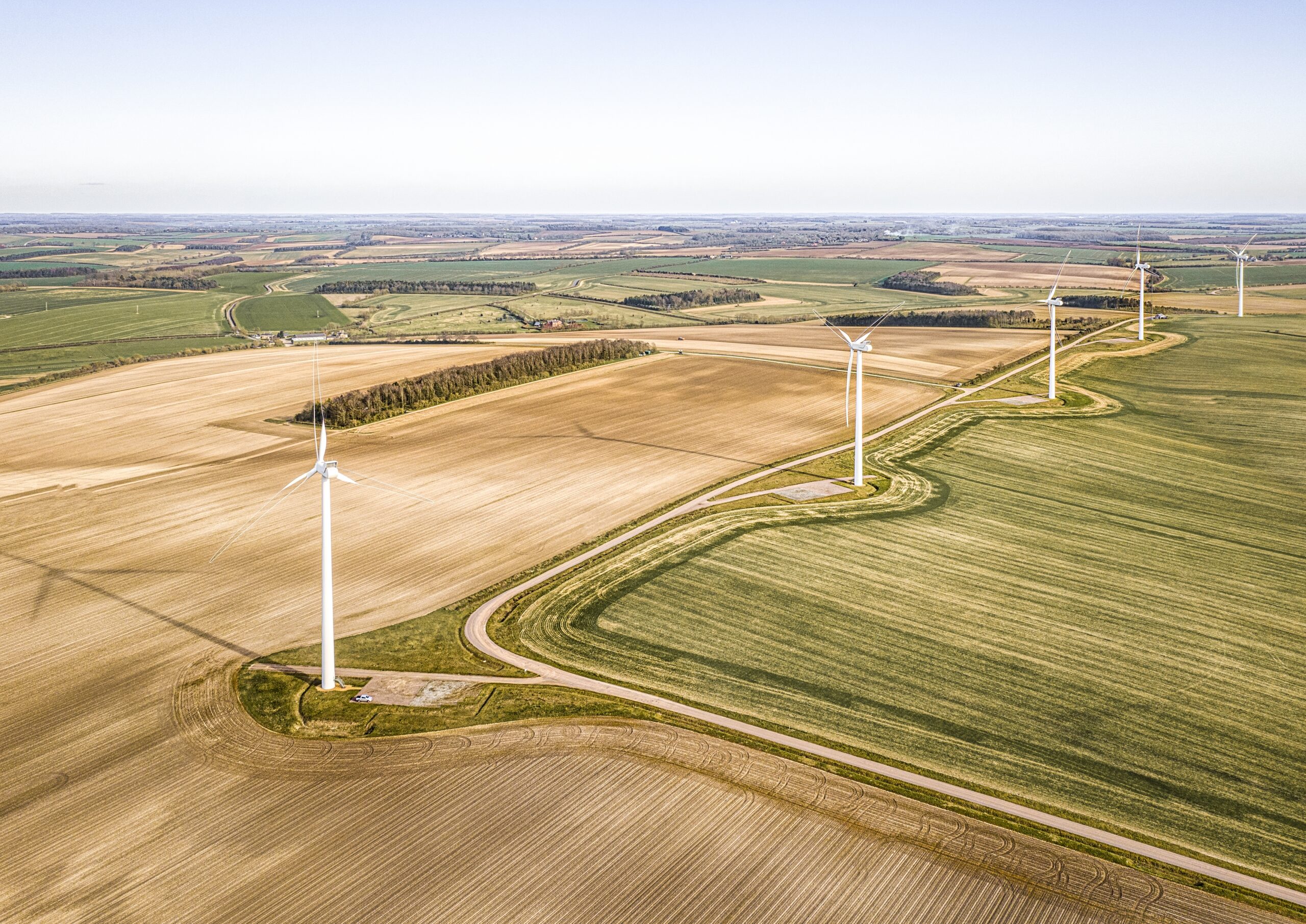
The National Agricultural Reserve (RAN) is a territorial management instrument that takes the form of a public-utility restriction, establishing constraints on non-agricultural land use. It plays a key role in preserving soil as a resource and keeping it allocated to agriculture.
Land within the RAN is primarily intended for agricultural activity, but in certain cases non-agricultural uses may be permitted. Such uses are nevertheless heavily regulated to ensure they do not compromise the agricultural value of the soil or the objectives of the RAN.
Main Legislation
- Decree-Law No. 73/2009, of 31 March: establishes the legal regime of the RAN and lays down the basis for managing, delimiting and protecting Portugal's highest-value agricultural land. Article 20 specifies the conditions under which non-agricultural uses may be authorised within RAN areas, establishing that such uses may only be authorised in exceptional cases, with technical justification and the absence of viable alternatives outside the RAN.
- Decree-Law No. 199/2015, of 16 September: amends Decree-Law No. 73/2009, simplifying administrative processes and detailing procedures for non-agricultural use requests. Article 5 reinforces the need for a rigorous assessment of justifications, requiring proof of public interest or the unfeasibility of alternatives outside the RAN.
- Ordinance (Portaria) No. 162/2011, of 18 April: sets the technical criteria for including and excluding areas from the RAN and specifies the procedures for non-agricultural use requests. Article 9 details the requirements for authorisation requests, including the need for technical opinions and, in some cases, public consultation.
Conditions for Non-Agricultural Uses
- Exceptionality and Justification: non-agricultural uses in RAN areas are only permitted in exceptional cases and must be duly justified, proving that no viable alternatives exist outside the RAN.
- Compatibility with Agricultural Activity: any non-agricultural use must be compatible with preserving the area's agricultural potential, without harming the soil or the resources needed for future agricultural production.
- Public Interest: non-agricultural uses are often authorised when there is significant public interest involved, such as essential infrastructure (roads, sanitation networks), public facilities, or projects that contribute to the region's sustainable development.
Types of Permitted Non-Agricultural Uses
- Public-Interest Infrastructure: roads, sanitation networks, water, electricity and telecommunications supply, provided there are no alternatives outside the RAN and the need is duly justified.
- Public Service Facilities: facilities such as schools, hospitals or other public-interest services, especially in regions where land availability outside the RAN is limited.
- Renewable Energy Projects: in some cases, projects such as solar panels or wind turbines may be authorised, provided minimal impact on the agricultural area is demonstrated and the project is essential to meeting energy and environmental targets.
- Tourism and Recreational Development: uses aimed at rural tourism or recreation, especially where they contribute to enhancing the agricultural environment and to local development.
Procedures for Obtaining Authorisation
- Authorisation Request: a formal request must be submitted to the competent authority, normally the Regional Coordination and Development Commission (CCDR) or the Directorate-General for Agriculture and Rural Development (DGADR).
- Technical Justification: the request must be accompanied by detailed technical justification explaining why the intervention is necessary, the expected impact on the area's agricultural capacity, and why no alternatives exist outside the RAN.
- Assessment and Public Consultation: the request undergoes technical assessment by the competent authorities, and may include a public consultation phase, especially if the project has a significant impact on the local community.
- Decision: based on the technical analysis and public consultation input, the competent authority decides whether to authorise the non-agricultural use, and may impose specific conditions to mitigate impact.
Impacts and Considerations
- Soil Conservation: even when authorised, non-agricultural uses must include measures to minimise soil degradation and ensure the area can be restored to agricultural use in the future.
- Impact Mitigation: approved projects may require offsetting measures, such as the requalification of other agricultural areas or the adoption of technologies that minimise environmental impacts.
Conclusion
Non-agricultural uses within RAN areas are possible, but strictly regulated to ensure such interventions do not compromise the integrity and value of agricultural land. Authorisations depend on robust justification, rigorous technical assessments and, often, proof of significant public interest — a balance that is essential to preserving Portugal's best agricultural land for future generations while meeting development and infrastructure needs.